One of the best things about Europe are the many budget airlines. Thanks again to playing “explore everywhere” on Skyscanner, I found a last minute cheap flight to Malta and immediately booked it.
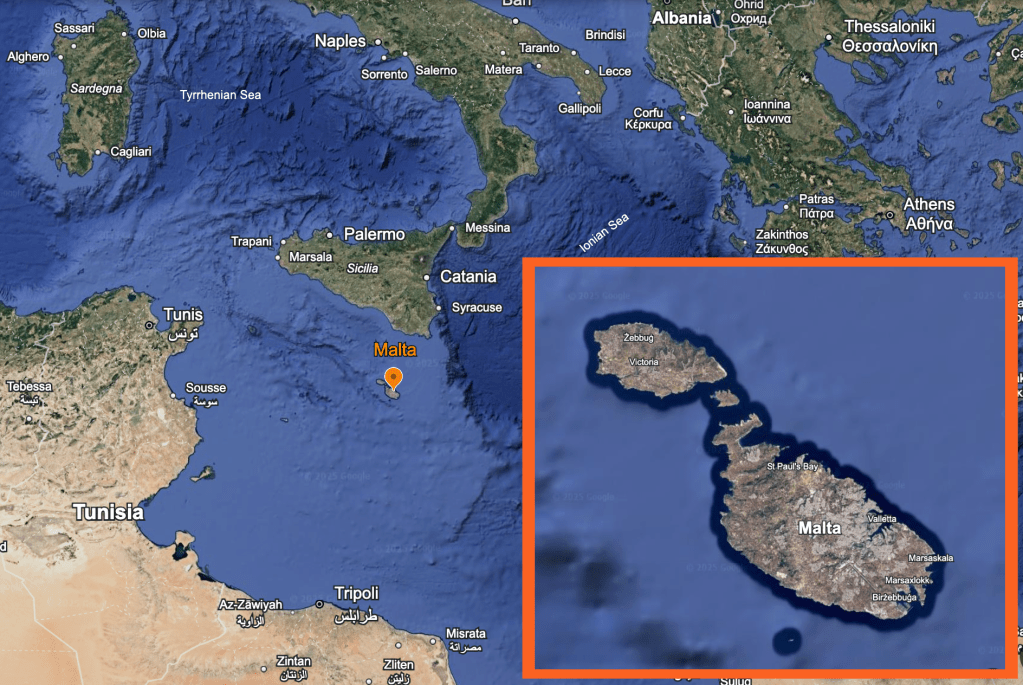
The Republic of Malta is an archipelago in the central Mediterranean. Made up of 8 islands, only the three largest islands—Malta (Maltese: Malta), Gozo (Għawdex), and Comino (Kemmuna)—are inhabited. And Comino is only inhabited by 1 family.
Malta lies approximately 80 km (50 mi) south of Sicily and approximately 280 km (176 mi) from Tunisia on the north African coast. Being so close to Italy, the flight from Naples took only 75 minutes.
With a long and unique history, the country dates back to at least 6500 BCE with the arrival of Mesolithic hunter-gatherers, likely originating from Sicily. Due to its strategic location in the Mediterranean, Malta has been occupied by many different groups, including the Phoenicians, Carthaginians, Greeks, Romans, Arabs, Normans, Aragonese, French, and British. And these various cultural influences over the centuries have shaped Malta’s architecture, language, culture, and cuisine.
One of the reasons I wanted to visit to Malta was to see the megalithic temples (designated as UNESCO World Heritage Sites). Built sometime between 3600 and 2500 BC, these temples were built before both the Pyramids of Egypt and Stonehenge. As some of the oldest free-standing structures in the world, these megalithic temples were carved from limestone by using highly advanced techniques. And the temples were incredible. We went to both Ħaġar Qim on Malta and Ġgantija on Gozo.

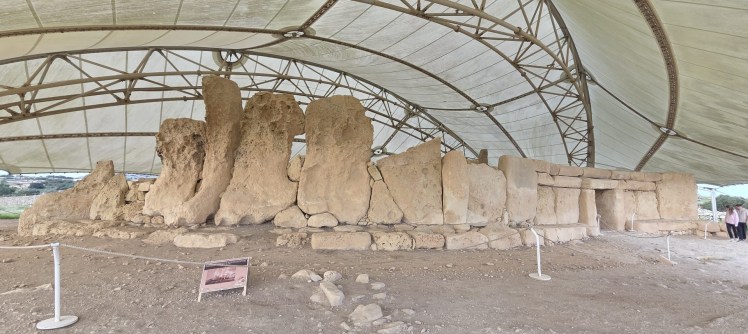
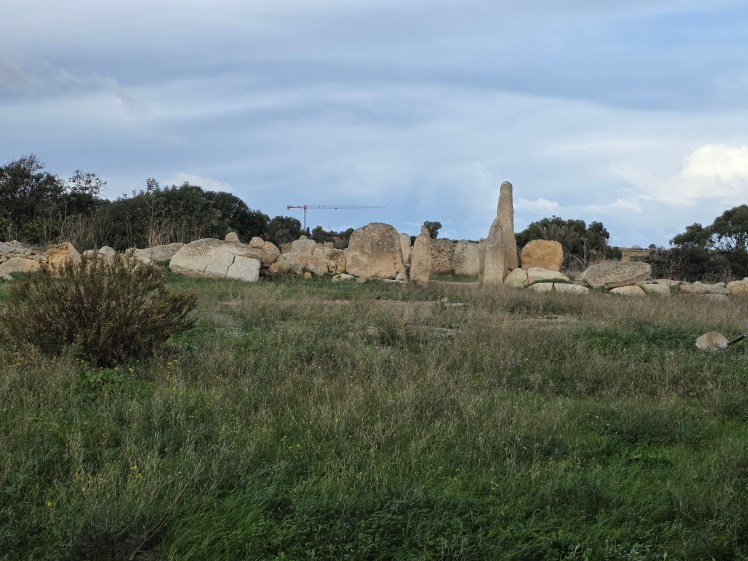
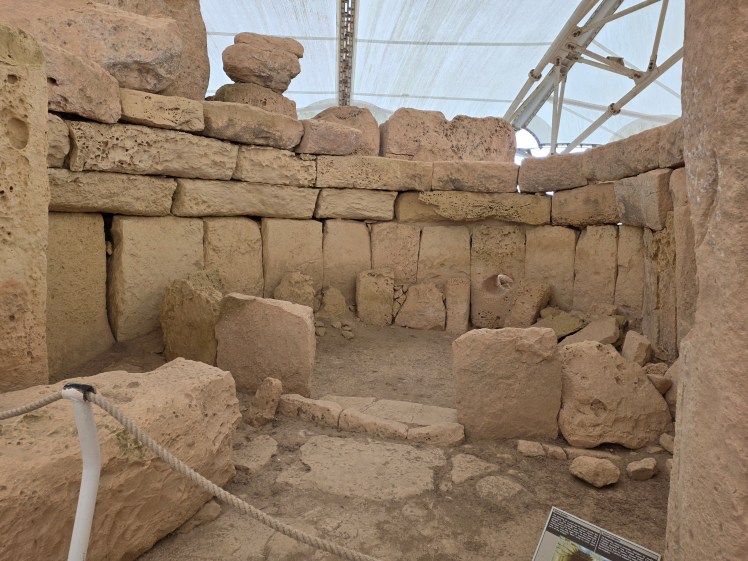
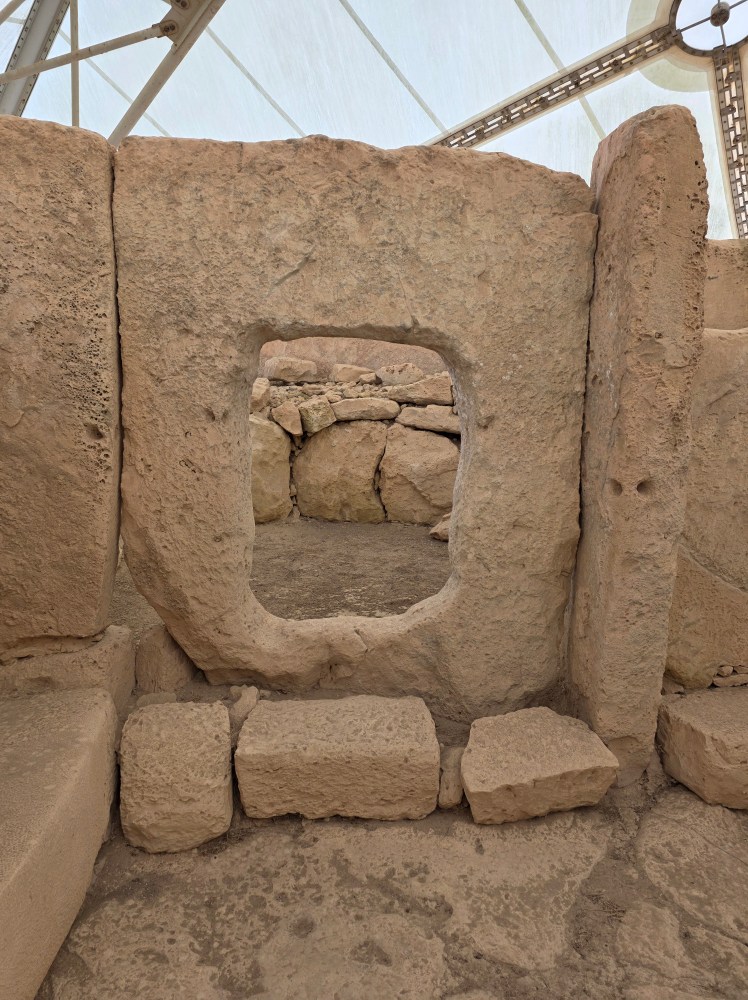
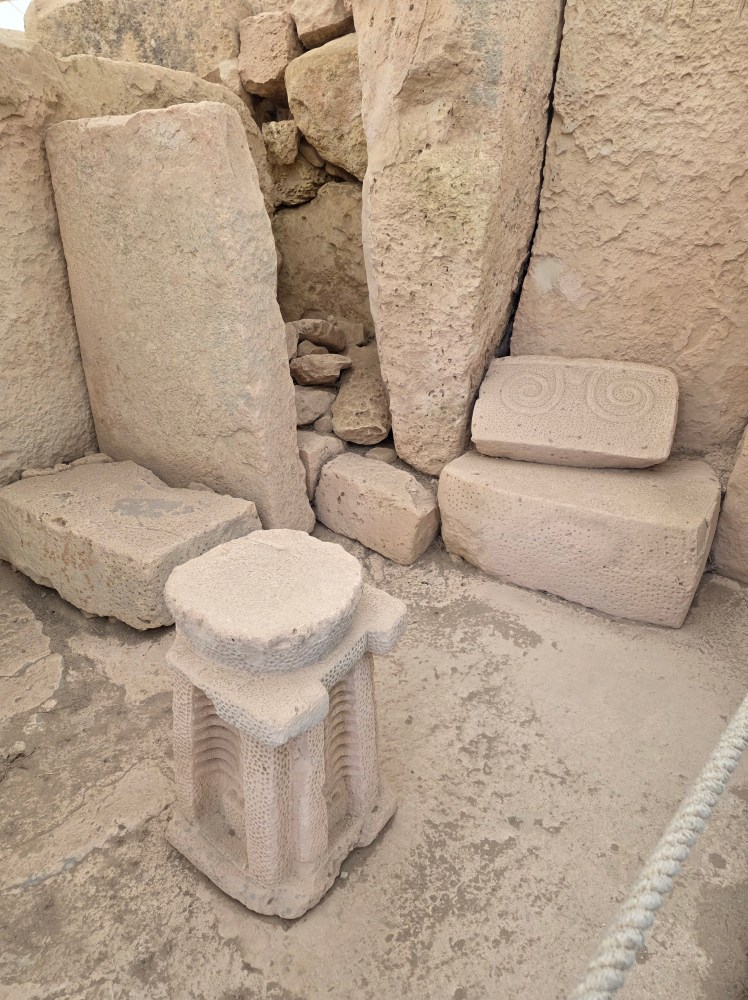
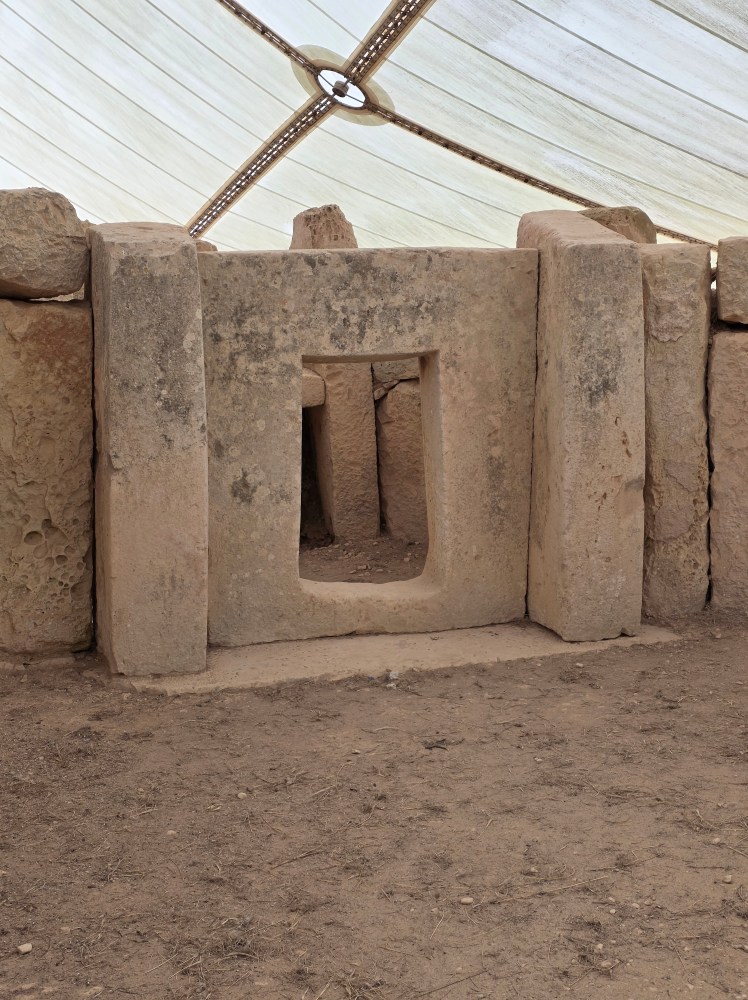
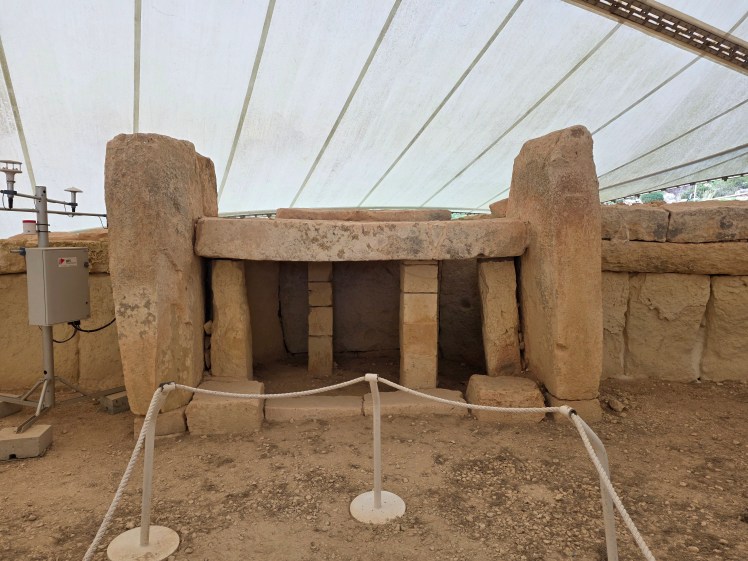
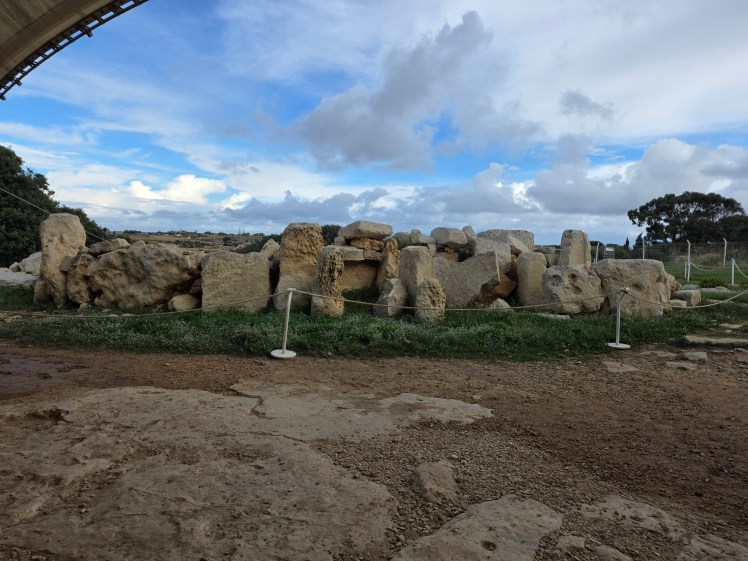
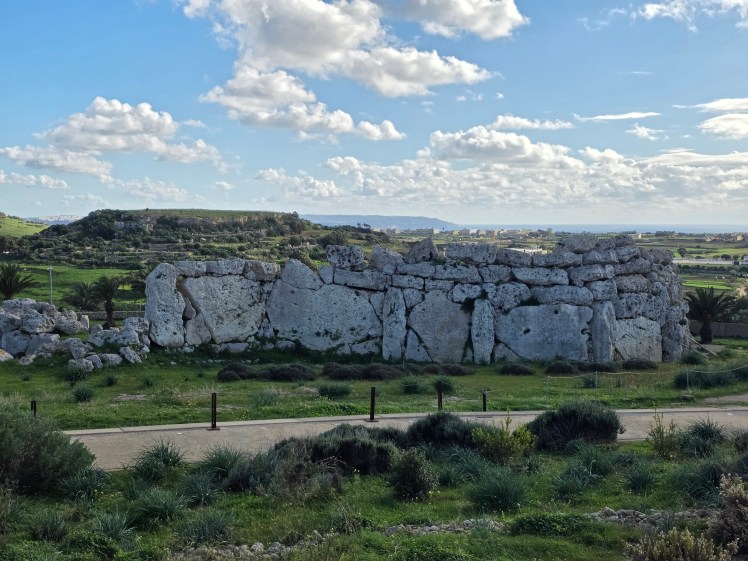
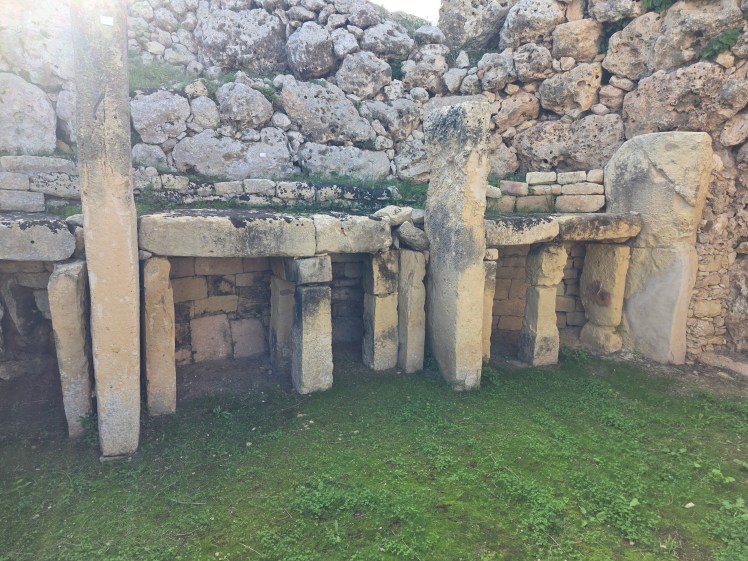
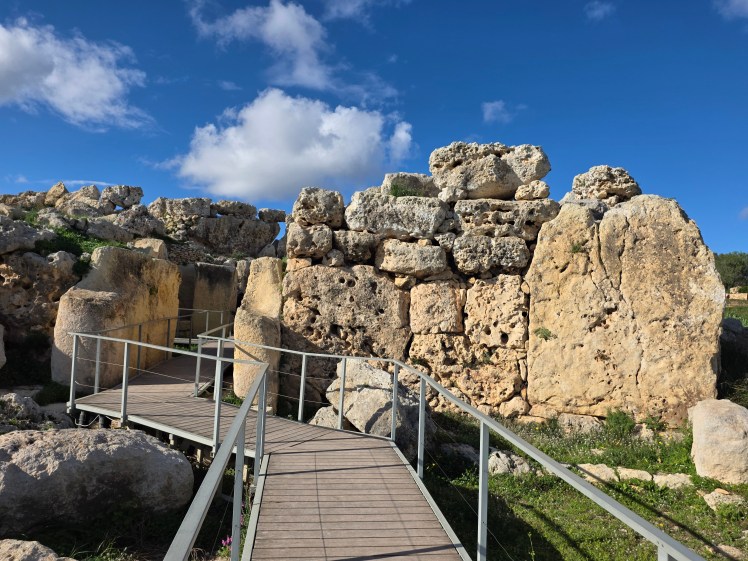

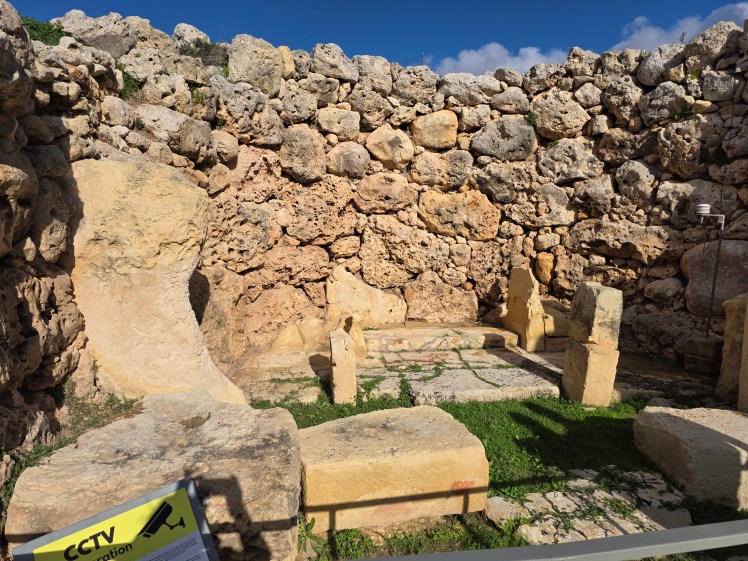
In addition to the temples, we also visited Valletta (the new capital), Victoria (Gozo’s Capital), Fort St. Elmo, Mdina (the old capital), and walked around the waterfront area near(ish) Ħaġar Qim on Malta’s southern coast, as well as the waterfront of St. Julian’s.
Valletta was getting decked out for the Christmas holidays, complete with giant tree, nutcrackers, and lots of lights. We stayed in St. Julian’s because it’s known as the best area for food and we travel to eat.
The walled city of Mdina, known as the Silent City, was the island’s capital from antiquity to the mid-1600s. The city has not spread beyond its ancient walls and has a population of only 250. Having largely maintained its medieval character, the city displays an unusual mix of Norman and Baroque architecture, including several palaces. It is on the tentative list of UNESCO World Heritage Sites.
And the food. We ate Wednesday night at a Maltese restaurant, Gululu, thanks to a recommendation from our hotel receptionist. Then we had the best American Thanksgiving meal at Layla Lebanses on Thursday evening, followed by drinks at The Gin Room, a quaint bar owned by a brother and sister from Croatia. We loved Layla so much we went back again on Saturday night to try some of the other dishes that had tempted us. We also had drinks at The Apothecary and an amazing hot chocolate (C had tea) at Fontanella Tea Garden in Mdina.
One thing I found is because of it’s unique history, Malta has a very diverse population. We met people from all over who had moved to Malta. Our taxi driver was from India. Our receptionist at the hotel was half-Spanish, half-Tunisian. A Hungarian bartender. A Sicilian bartender. A Serbian waiter. A small island with so many peoples from all over.
While the weather was nice for November, it was a tad chilly, and so we didn’t do any of the water sites, like the Blue Lagoon. So we plan to go back in a warmer month to do the boat trips and swimming/diving locations. With only a 75 minute flight time, it’s an easy weekend trip.
Overall, I highly recommend visiting this tiny island country.
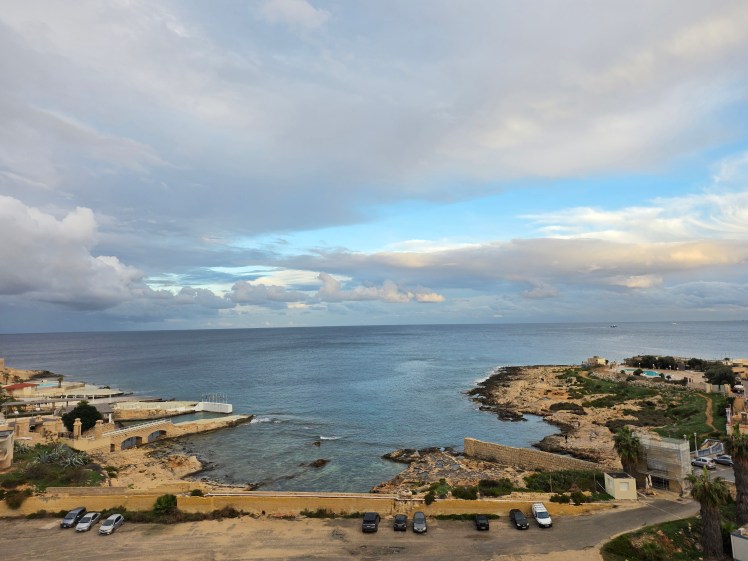
view from our room in St Julian’s 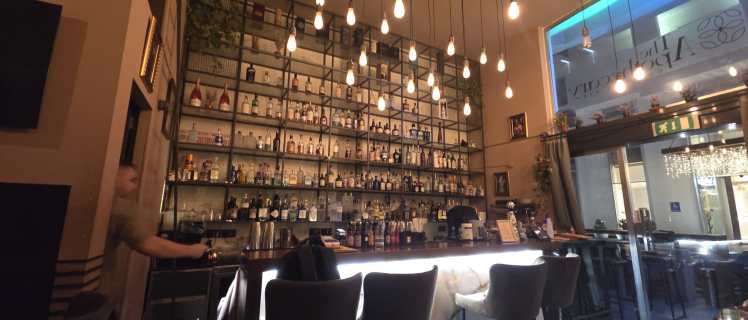
The Apothecary 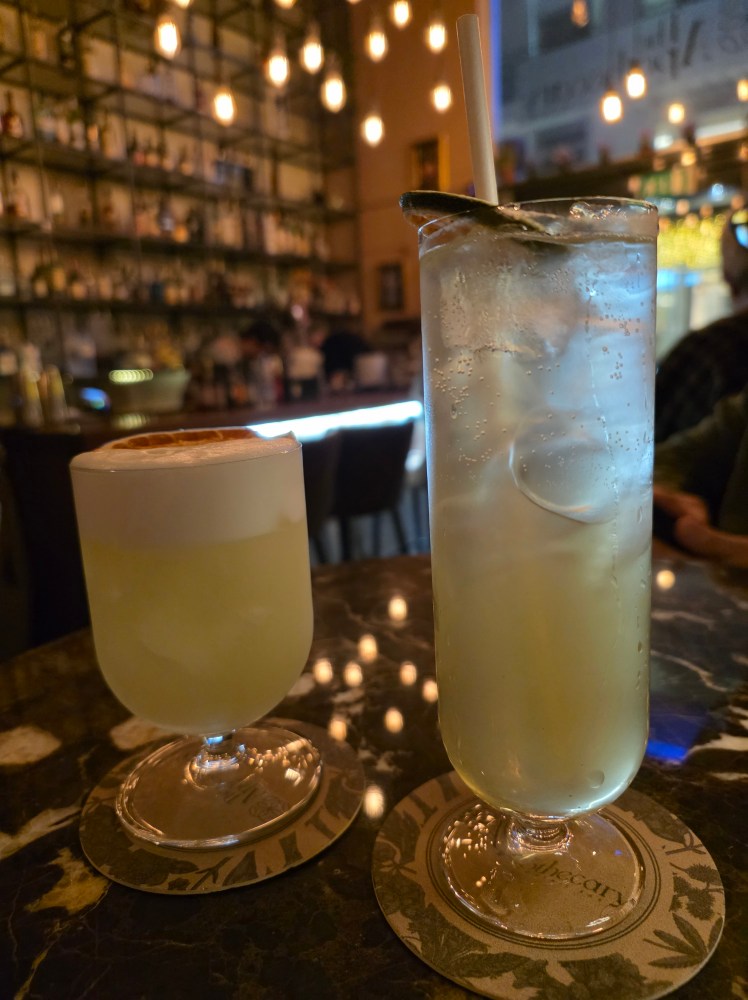
drinks at the Apothecary 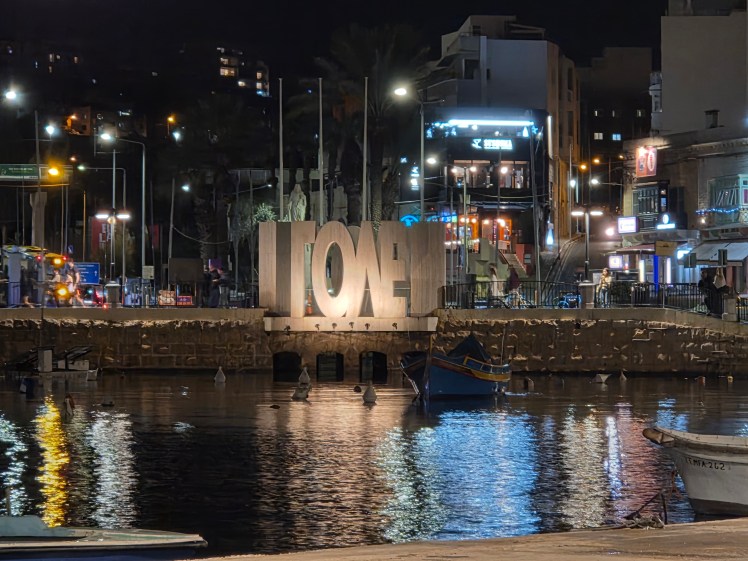
St Julian’s waterfront 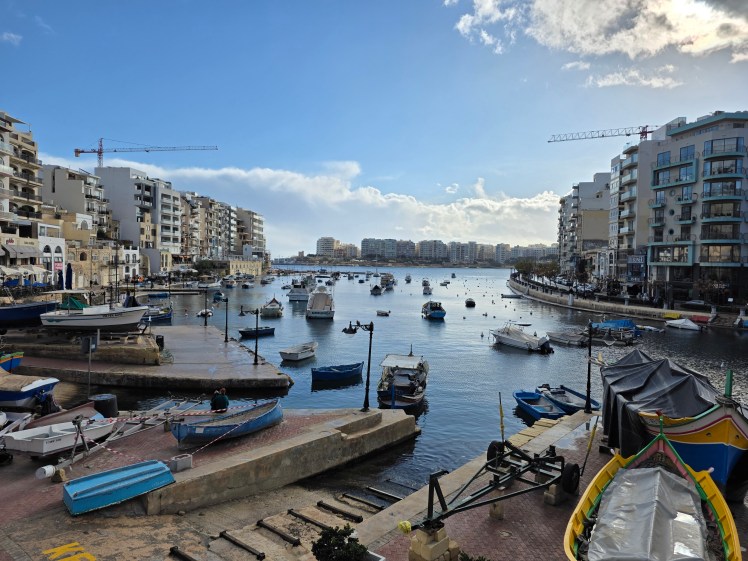
St Julian’s 
dinner at Gululu 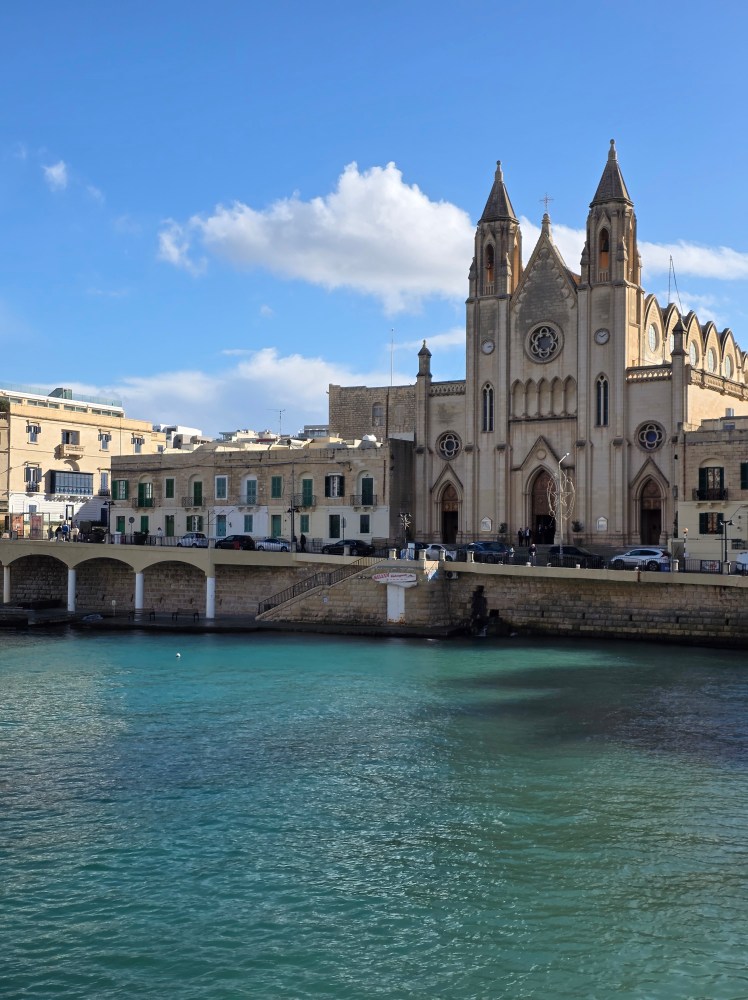
St. Julian’s 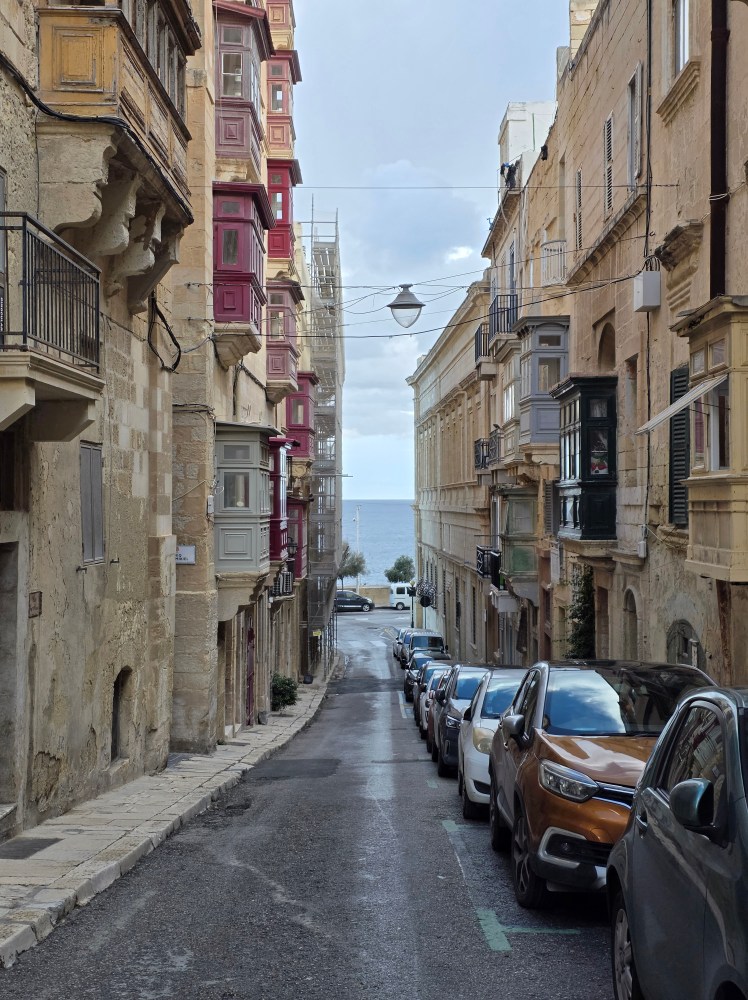
walking around Malta 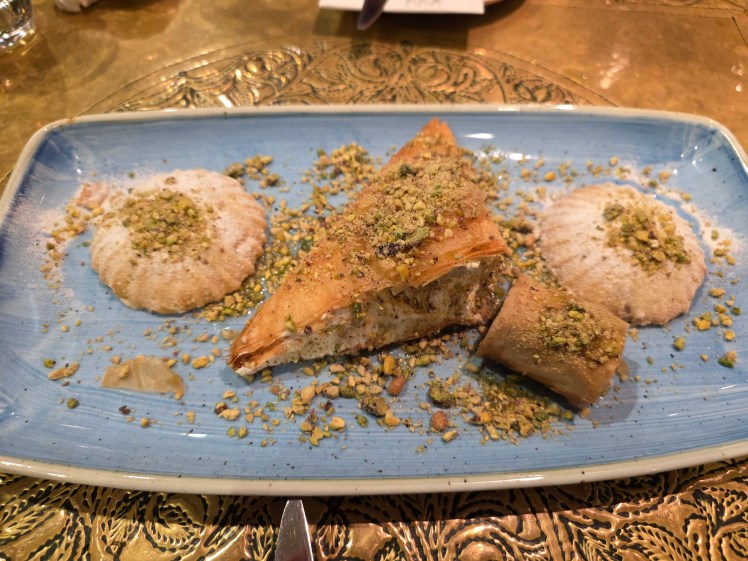
desert at Layla 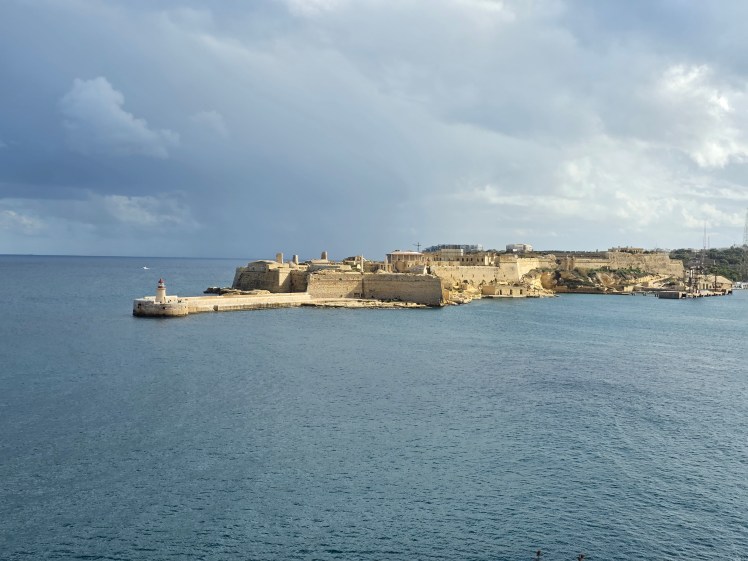
ferry to Valletta 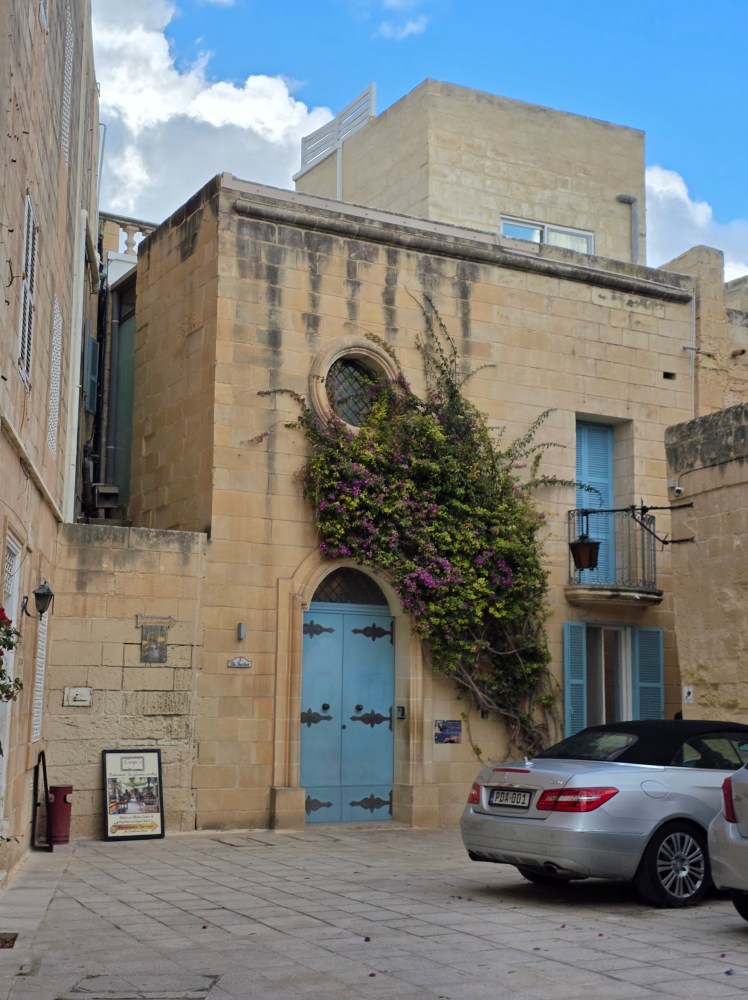
Mdina 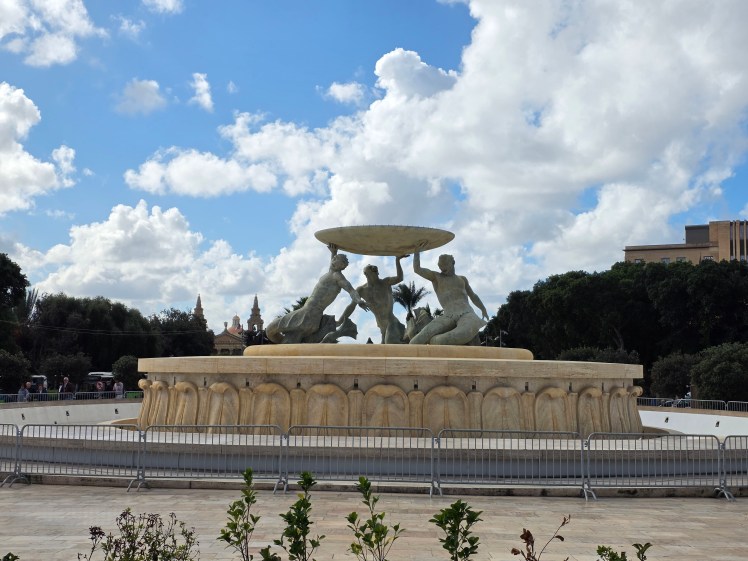
Valletta 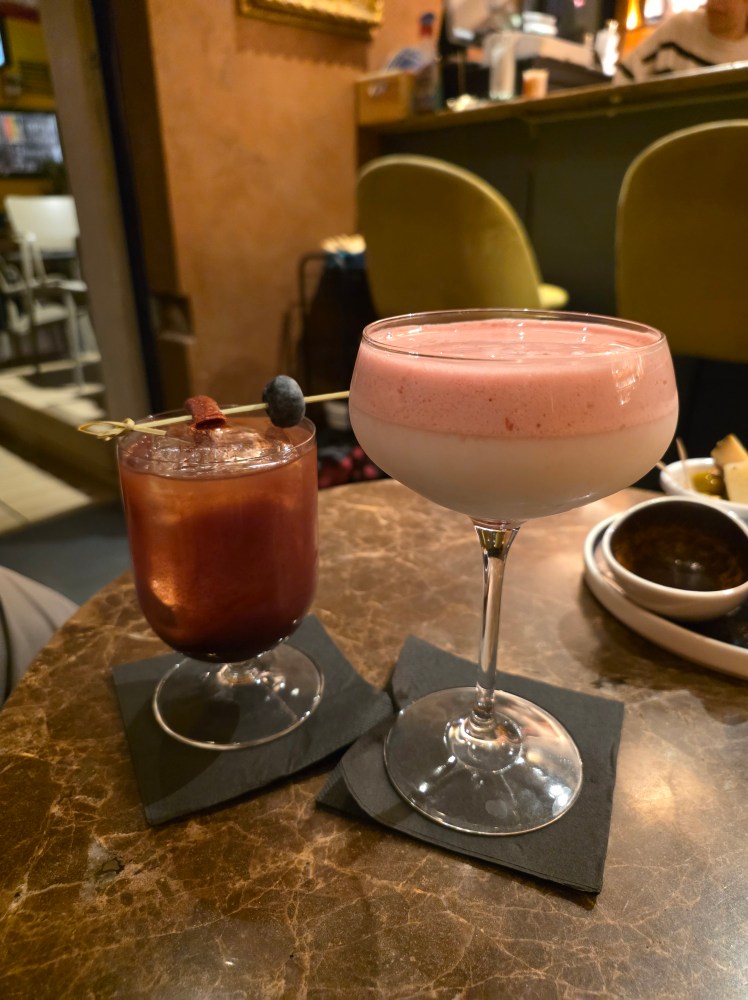
The Gin Room 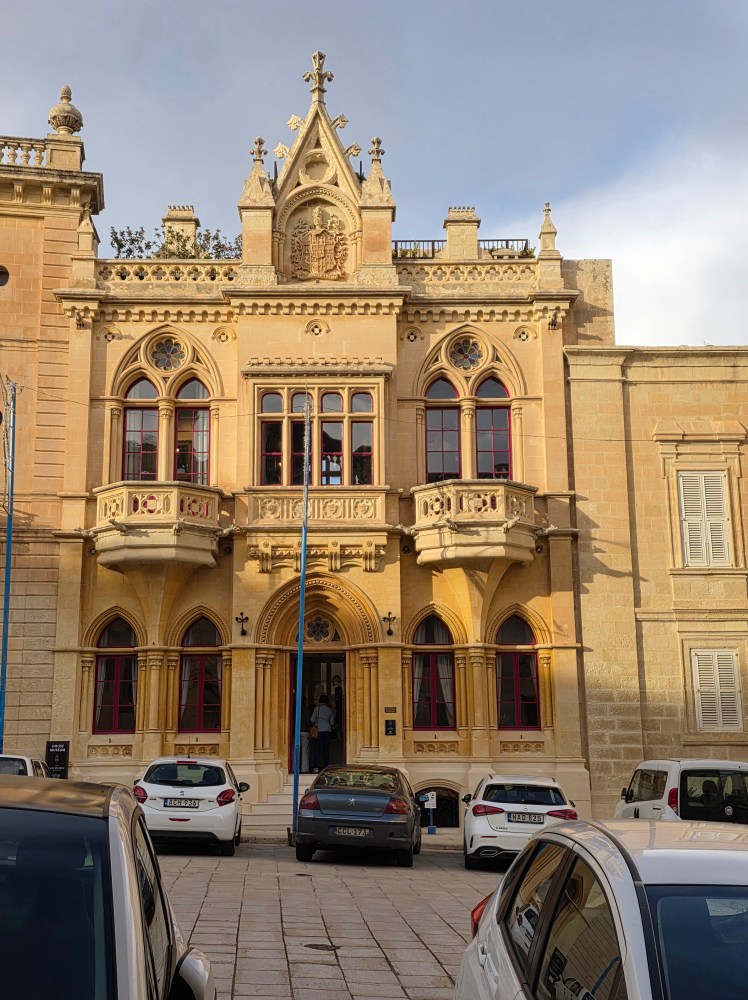
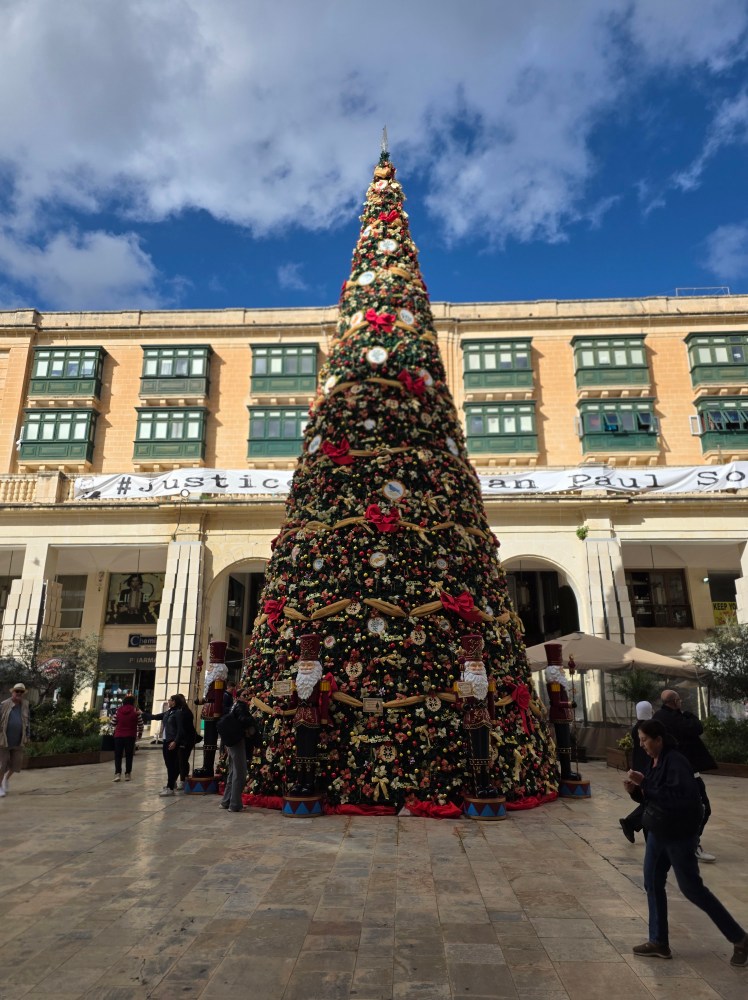
Valletta 
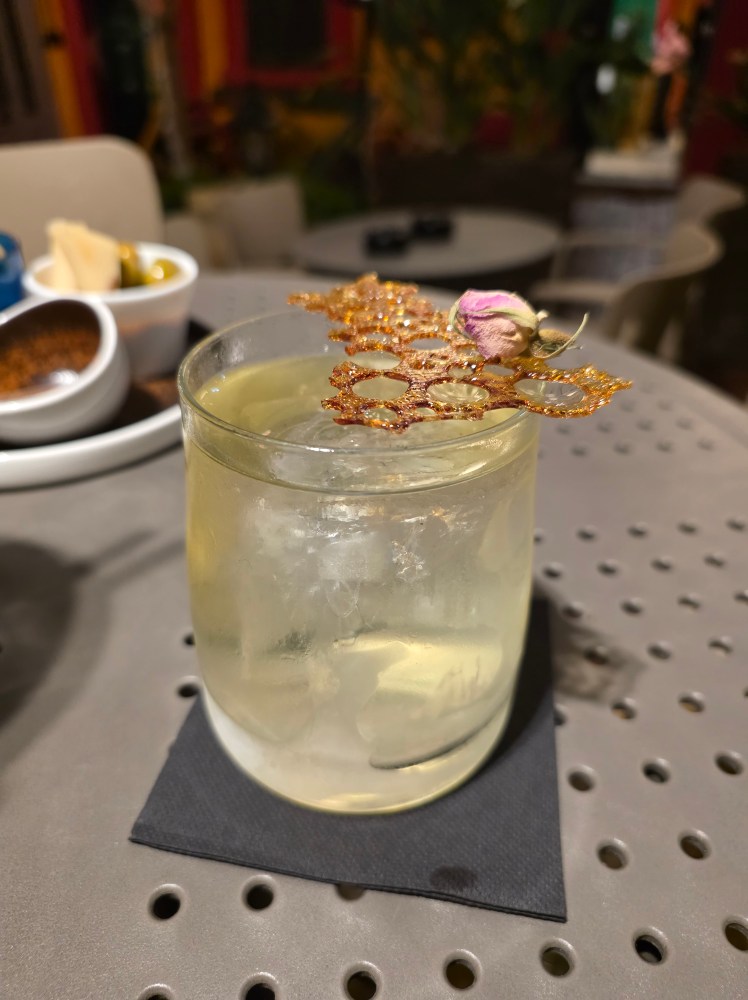
Victorian Renaissance at The Gin Room 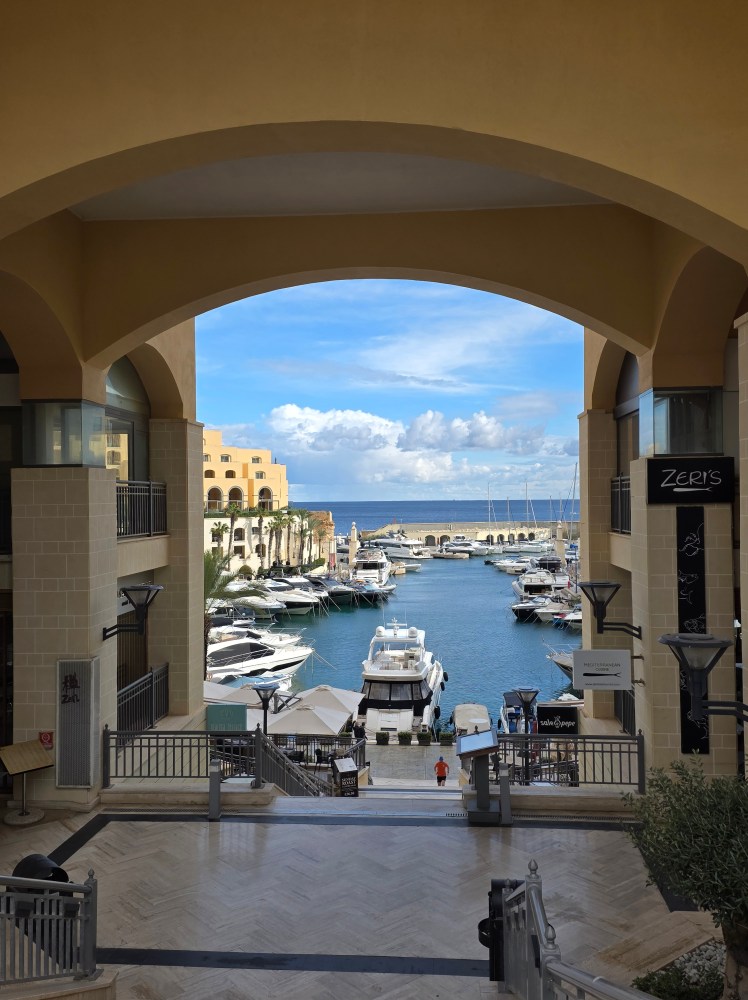
St Julian’s 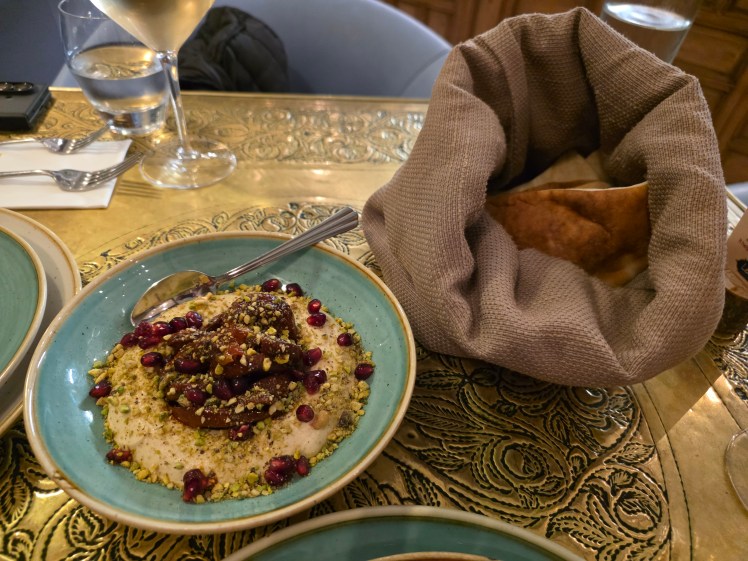
pomegranate hummus at Layla 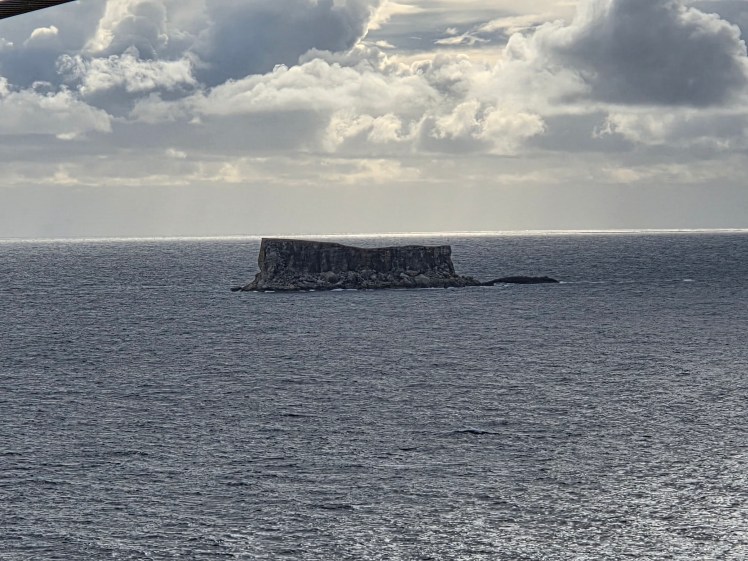
Filfla, a nature reserve south of Malta 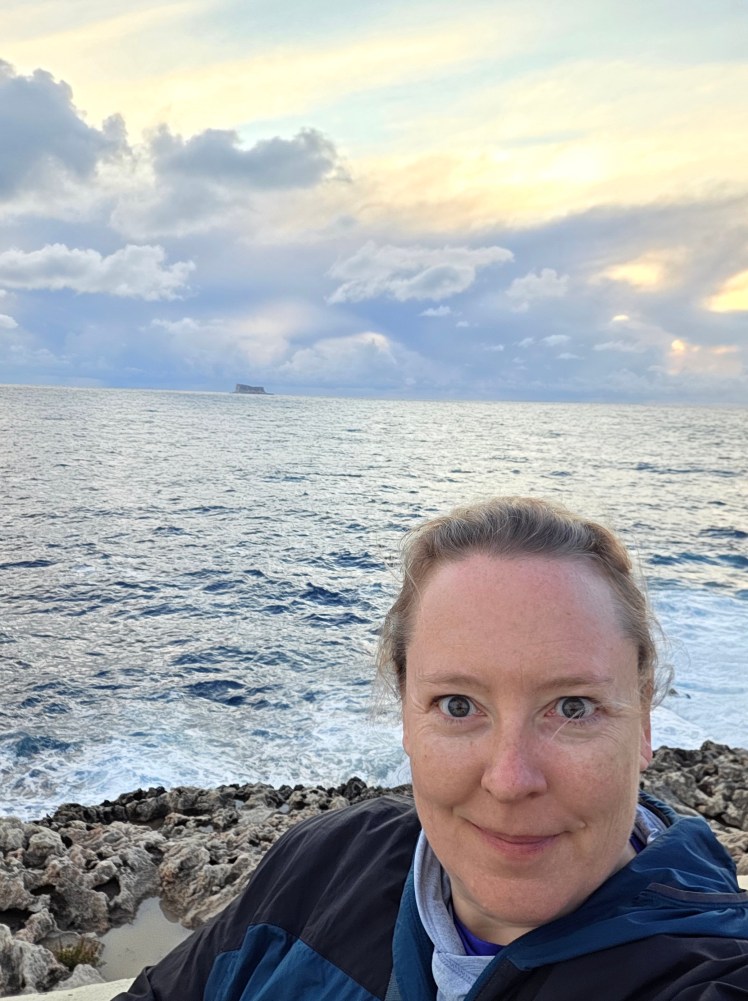

lentil soup at Leyla 
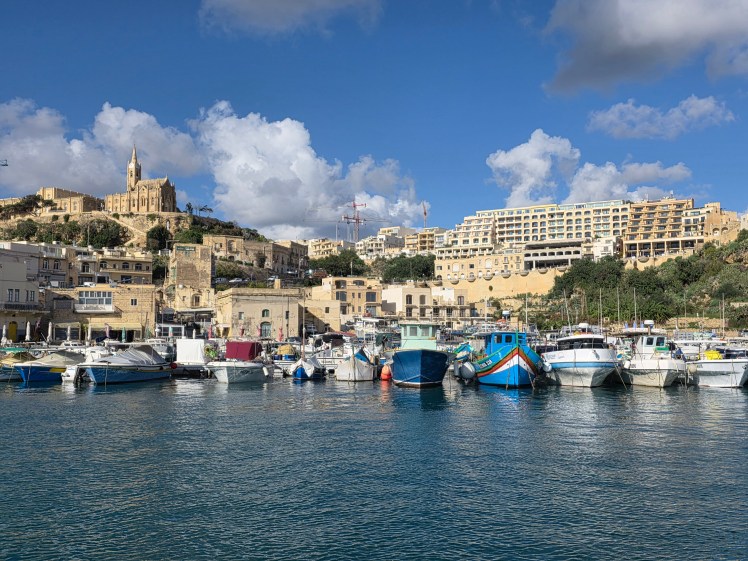
St Julian’s 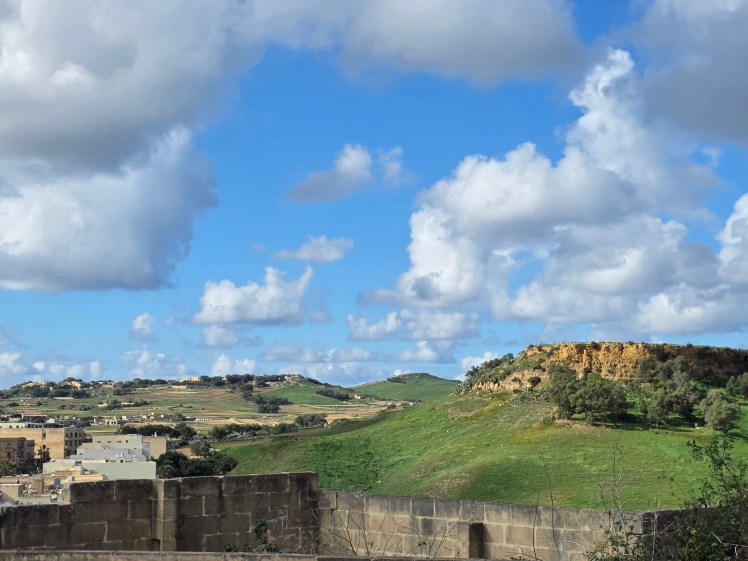
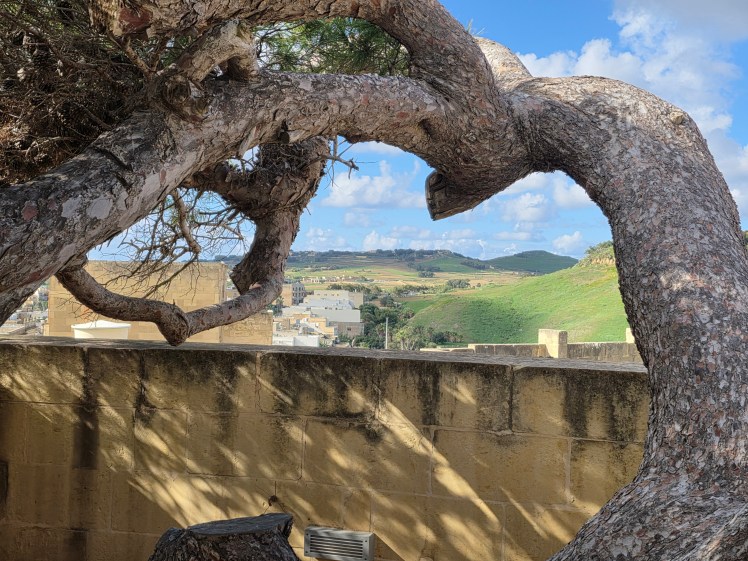
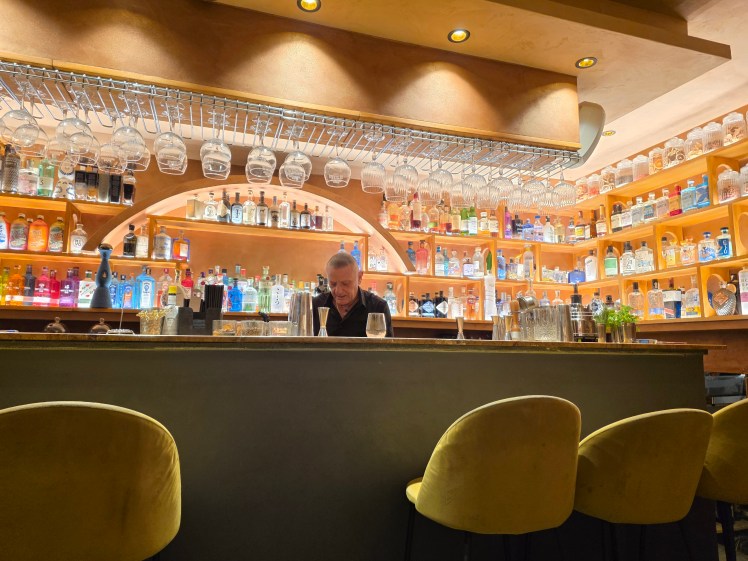
The Gin Bar 
Victoria 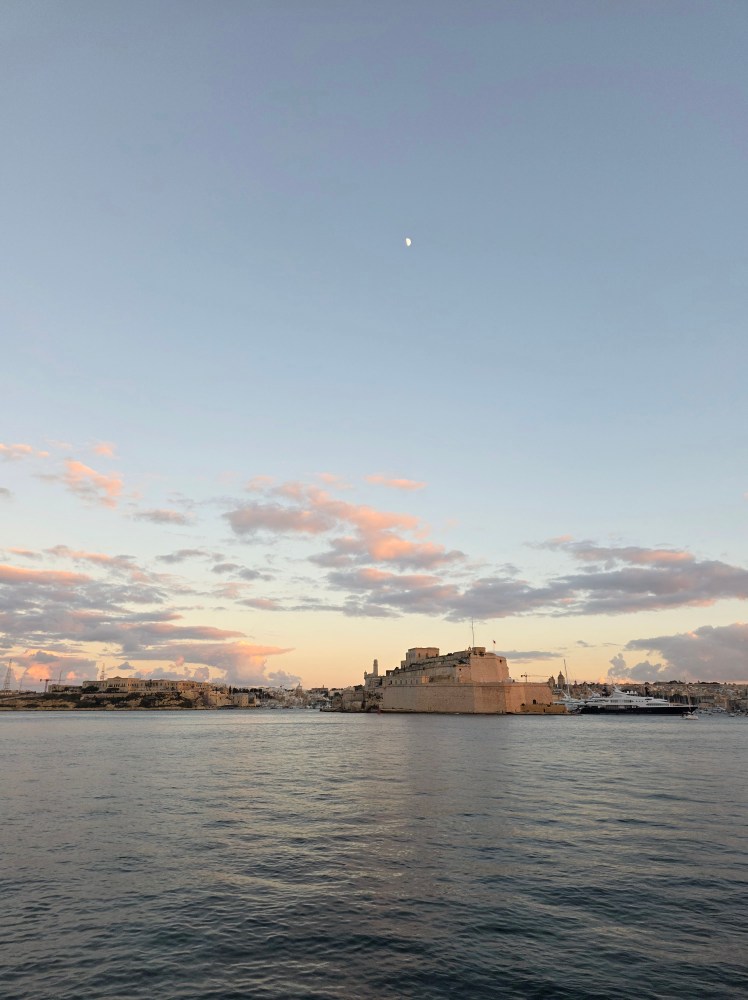
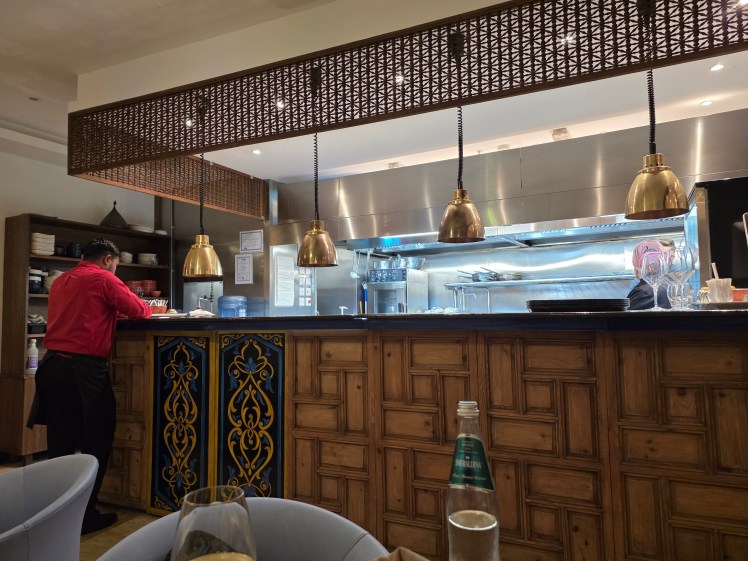
Leyla 
yum at Fontanella 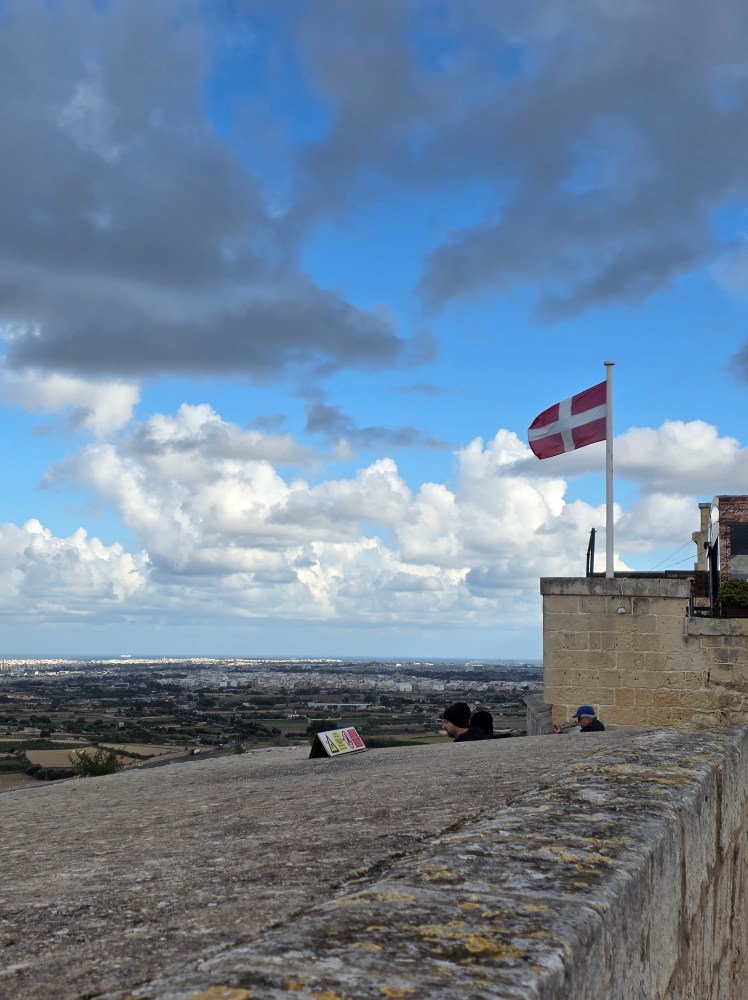
Mdina
All content, including photos, © 2025 L. Long/wanderinglynn.com. All Rights Reserved. No part of this website or its contents may be reproduced, copied, modified, or adapted without prior written consent of the owner.
All links are merely for reference and/or for your convenience.
 wanderinglynn.com