The adventure continues. Two weekends ago, the skyscanner spin had us heading to Zegreb, Croatia.
Croatia wasn’t at the top of my list but I’m so happy we went. I absolutely loved Croatia.
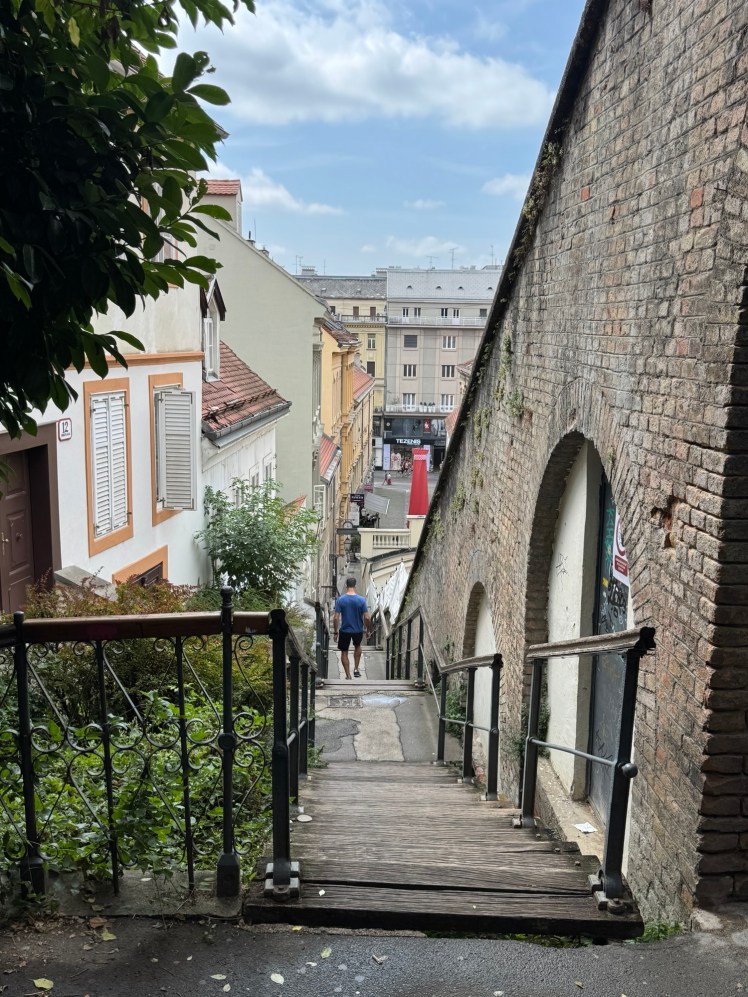
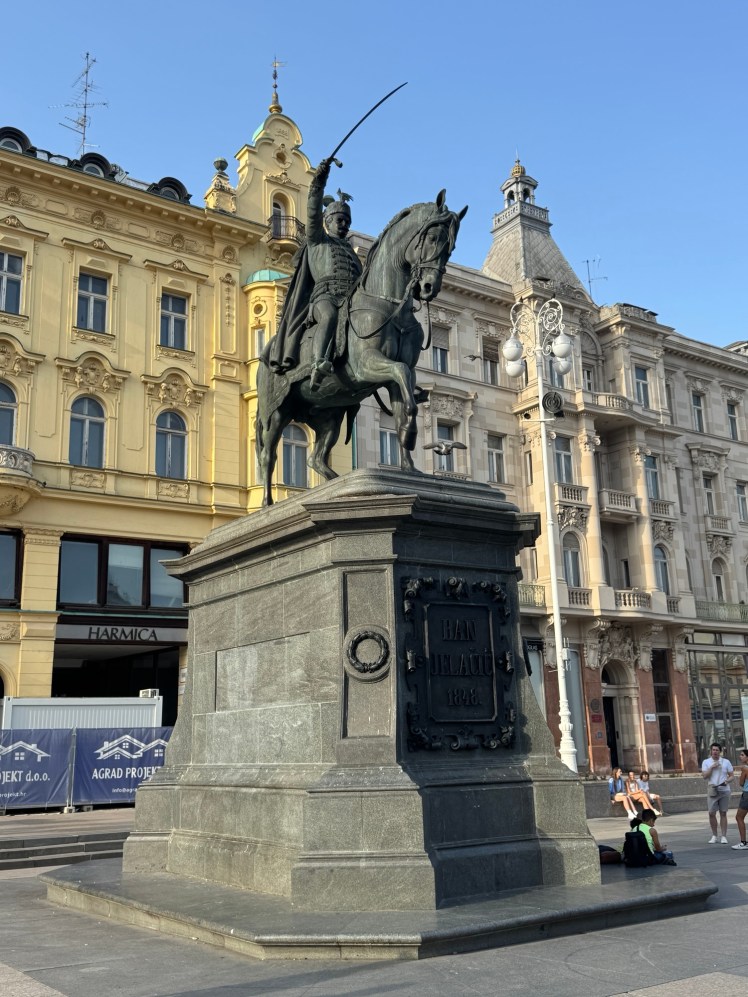
A Bit of History
(Not interested in History? Skip to the next section or even skip to my final thoughts.)
Croatia is one of the Balkan states (one of the countries located on the Balkan Peninsula in southeastern Europe). Like many of the European countries, Croatia has had an interesting history, changing based on who conquered it and who it allied with. Similar to Romania, the Roman and Ottoman Empires had significant influence.
But let’s fast forward to more recent history.
After World World I, the Kingdom of Serbs, Croats, and Slovenes was formed. In 1929, it then became the Kingdom of Yugoslavia in 1929, and after World War II, the Socialist Federal Republic of Yugoslavia (SFRY). After 1945, Croatia was a republic within the SFRY.
Eastern Europe experienced a climate of change during the 1980s; and in 1989, when communist hegemony was challenged throughout eastern Europe, the Slovene and Croatian communists agreed to free multiparty elections, which occurred in 1990. The Croatian constitution was also passed in 1990, which categorizing Serbs as a minority group along with other ethnic groups. This lead to the Serb minority declaring “sovereignty and autonomy of the Serb people in Croatia”. Their position was that if Croatia could secede from Yugoslavia, then the Serbs could secede from Croatia. When Croatia (and Slovenia) declared independence from Yugoslavia on June 25, 1991, rebel Croatian Serbs established some paramilitary militias and armed clashes spread in protest throughout Serb enclaves in Croatia. This violence coincided with the hasty withdrawal of the Yugoslav People’s Army from a newly independent Slovenia.
In the ensuing war, which lasted until 1995, the city of Vukovar in Slavonia (a historical region within Croatia) was leveled by bombardment, Dubrovnik and other Dalmatian cities were shelled, and about one-third of Croatian territory was occupied by Yugoslav forces. Warfare was halted by an agreement whereby European troops, sponsored by the United Nations, were installed in the disputed areas in order to stabilize and demilitarize them.
Although Croatia was granted international recognition in 1992, the government’s control over its own territories remained incomplete. Armed conflict in Croatia remained intermittent and mostly small-scale until 1995. In 1996 Slobodan Milošević, Serbia’s then-president and the effective leader of the rump Yugoslavia, agreed to give up claims to eastern Slavonia. Yugoslav troops then withdrew from the region under a UN mandate, and Yugoslavia established full diplomatic relations with Croatia. Croatia recovered full sovereignty over eastern Slavonia in 1998, and, with the withdrawal of UN troops from the Prelavka Peninsula in 2002, Croatia finally had full control of its territory.
Croatia joined NATO in 2009 and the EU in July 2013. Today, Croatia has a 90% Croat population with the remaining 10% representing Serbs, Bosnian Muslims, and other smaller minority groups. Croatia has a population of Approximately 4 million and it is estimated that an equal number of Croatians live outside of Croatia. Nearly one-fourth of the country’s population live in the Zagreb metropolitan area.
While Zagreb dates back to Roman times, the modern city really evolved from two medieval settlements. Kaptol began with the establishment of a Roman Catholic bishopric in 1094 while Gradec, the other settlement, was granted royal free town status in 1242. Between the two settlements were houses in the valley along the former Medveščak creek (present-day Tkalčićeva Street).
Like any neighboring towns, the two settlements had their rivlaries. The first documented conflict was in the mid-14th century and conflicts continued through the early 19th century. In 1850, the two settlements were united into a single city when a spate of new building joined them together.
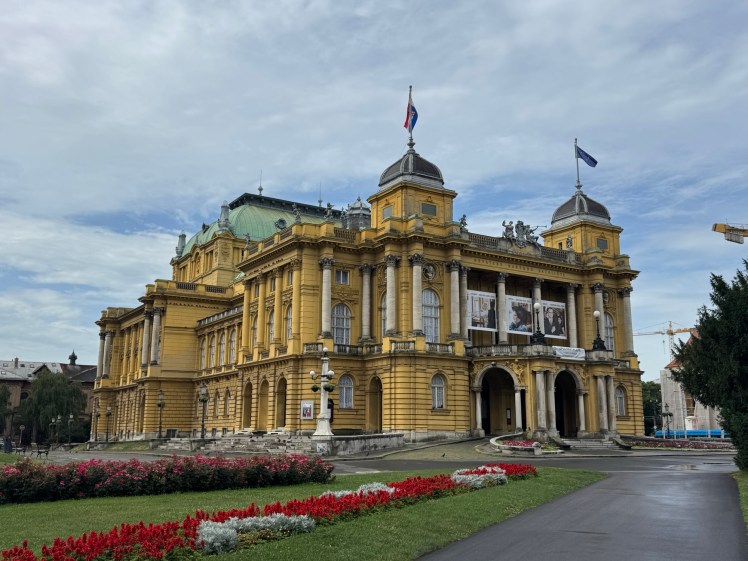
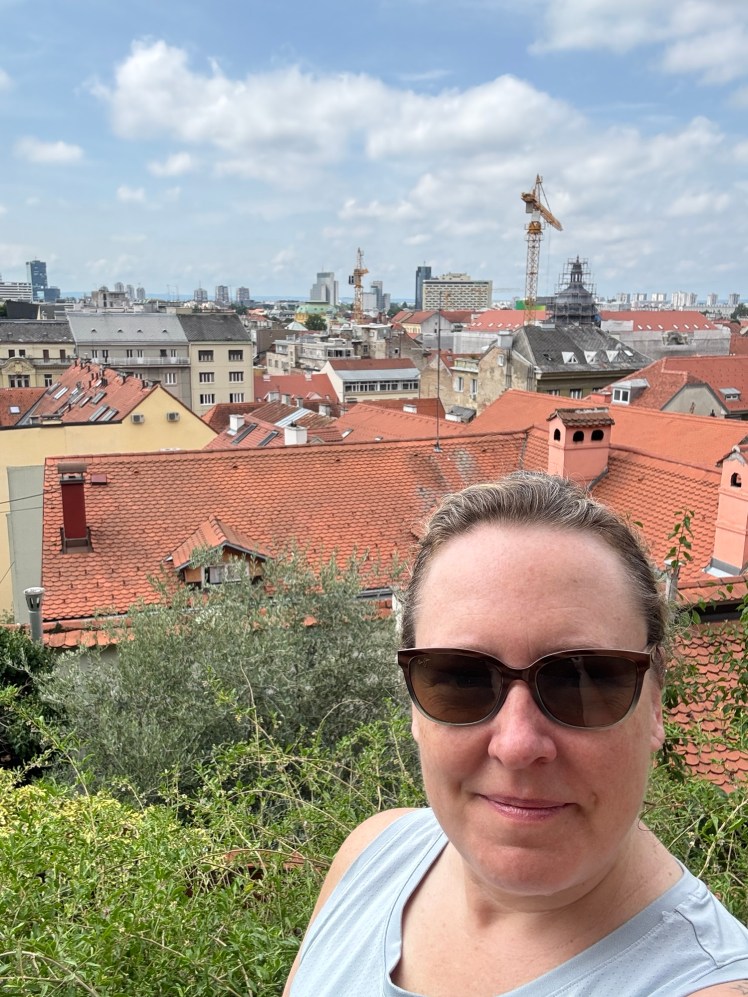
Modern Zagreb is broadly divided into Upper Town (the historical, medieval heart of the city with narrow, winding streets, older buildings, and a quieter atmosphere) and Lower Town (more modern with wider streets, grand Austro-Hungarian architecture, and a more vibrant atomosphere).
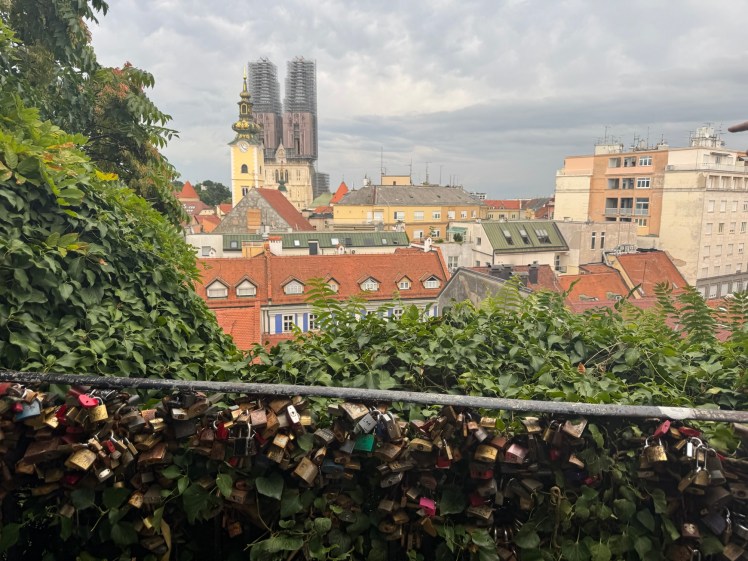
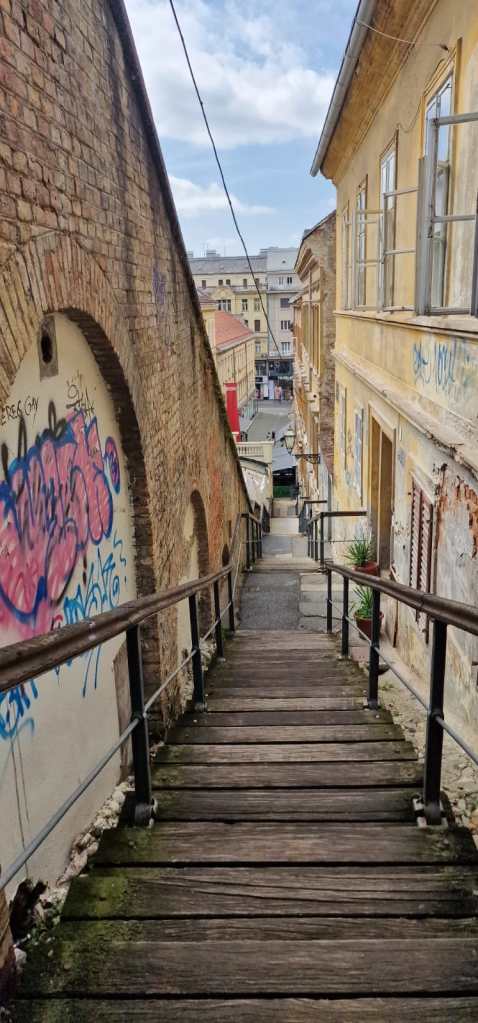
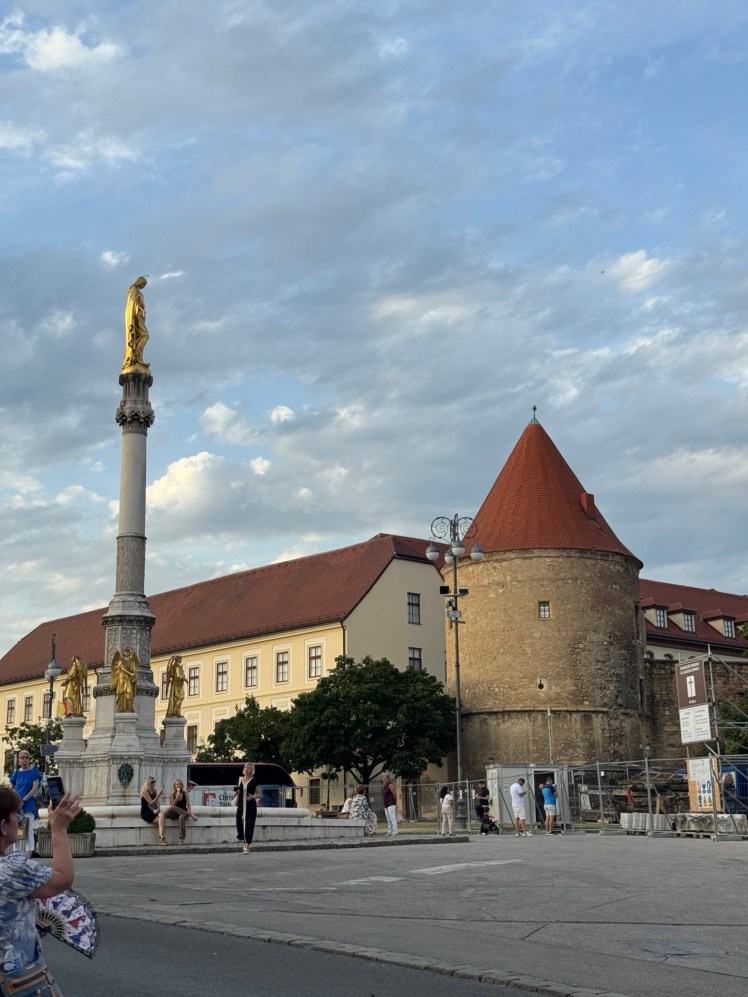
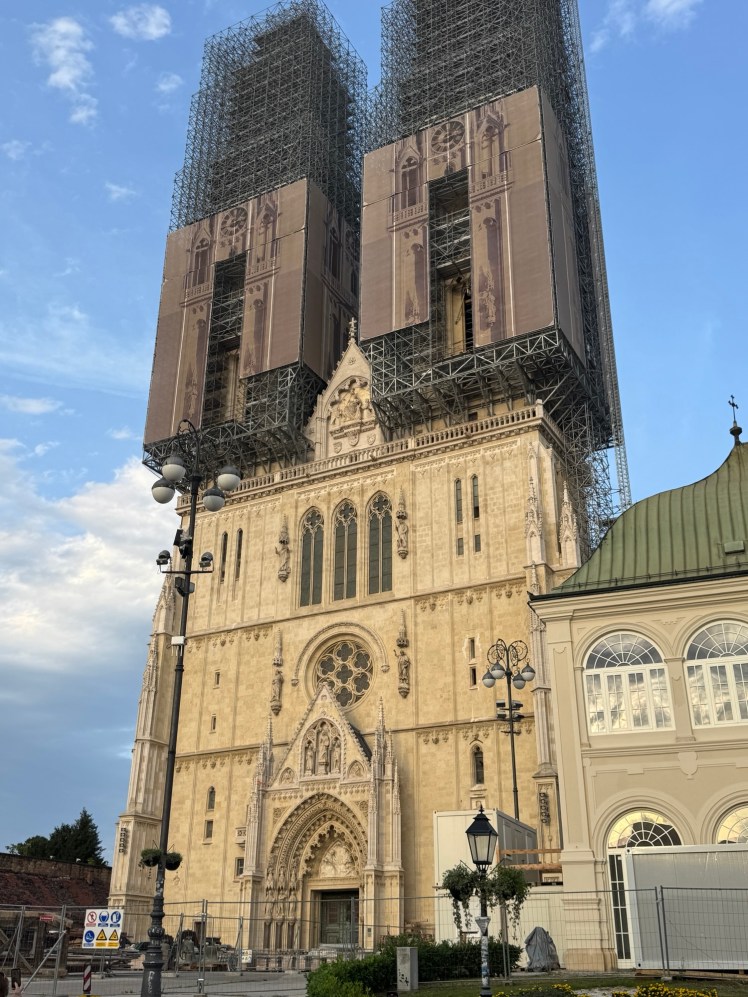
I will note that the city experienced a 6.4 earthquake in March 2020 that caused significant damage to the historic downtown area. Today, the reconstruction continues (as you will see from some of my photos).
Friday
We landed Friday afternoon at the Zagreb Airport (airport code: ZAG), which is a super modern looking building. To me, the airport almost looks more like a modern art museum with a slinky-like appendage extending from the main entrance.
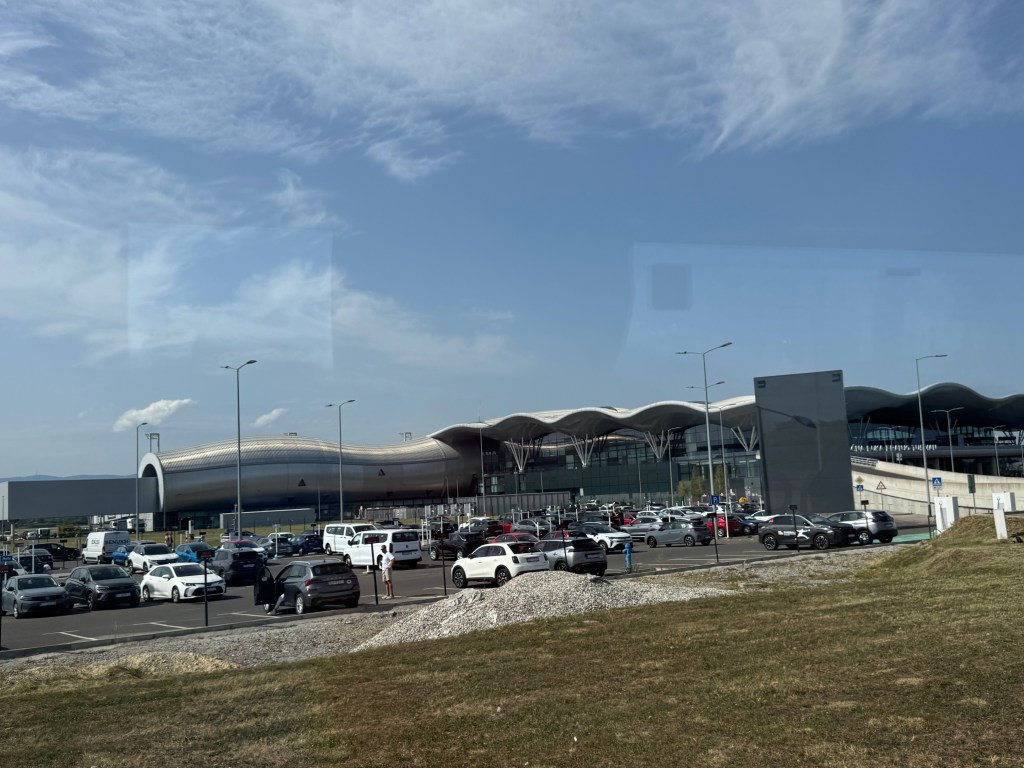
my photo from the shuttle busThe airport was oddly deserted for 4pm on a Friday, despite our packed airplane. It was a little eerie and I hoped it wasn’t a bad sign. From the airport, we took a shuttle bus. The bus costs €5 per person and takes about 30 minutes to arrive at the Zagreb main bus terminal. From the bus terminal, we walked to our first lodging, a quaint AirBnB on the third floor of an apartment building in Lower Town, near the historic downtown.
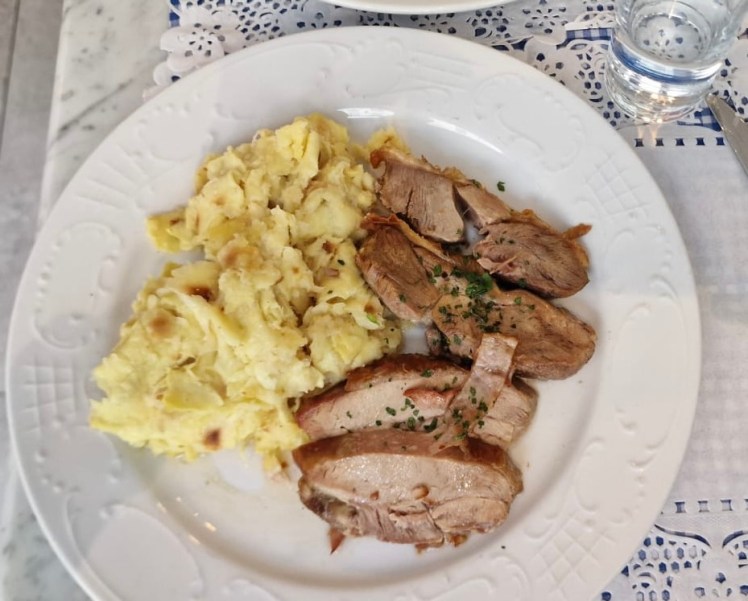
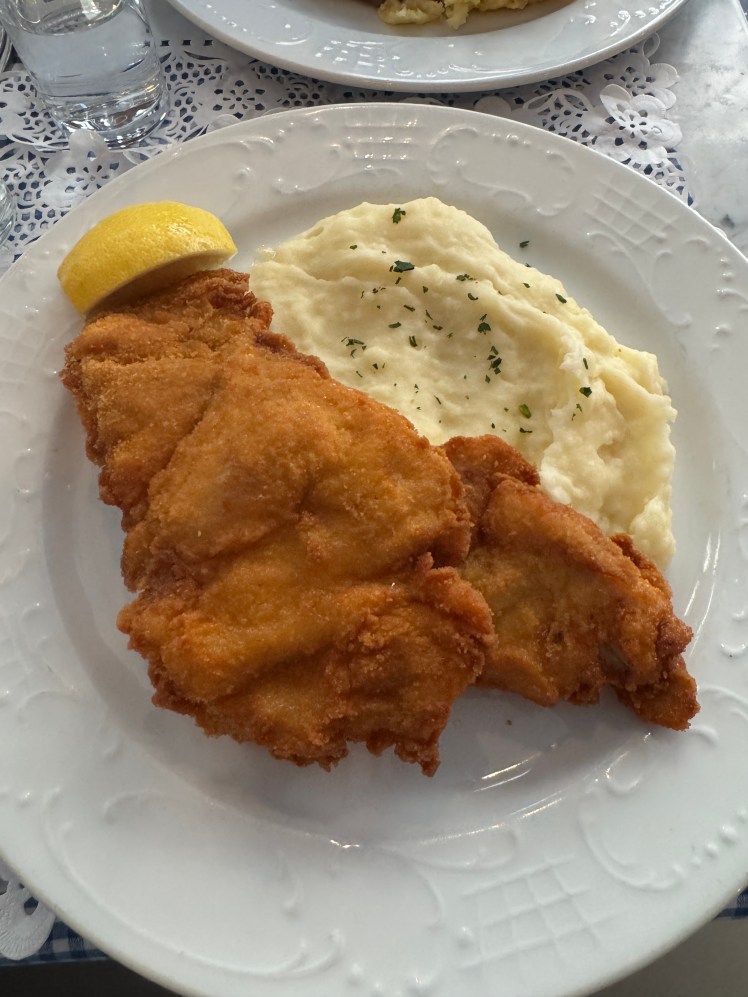
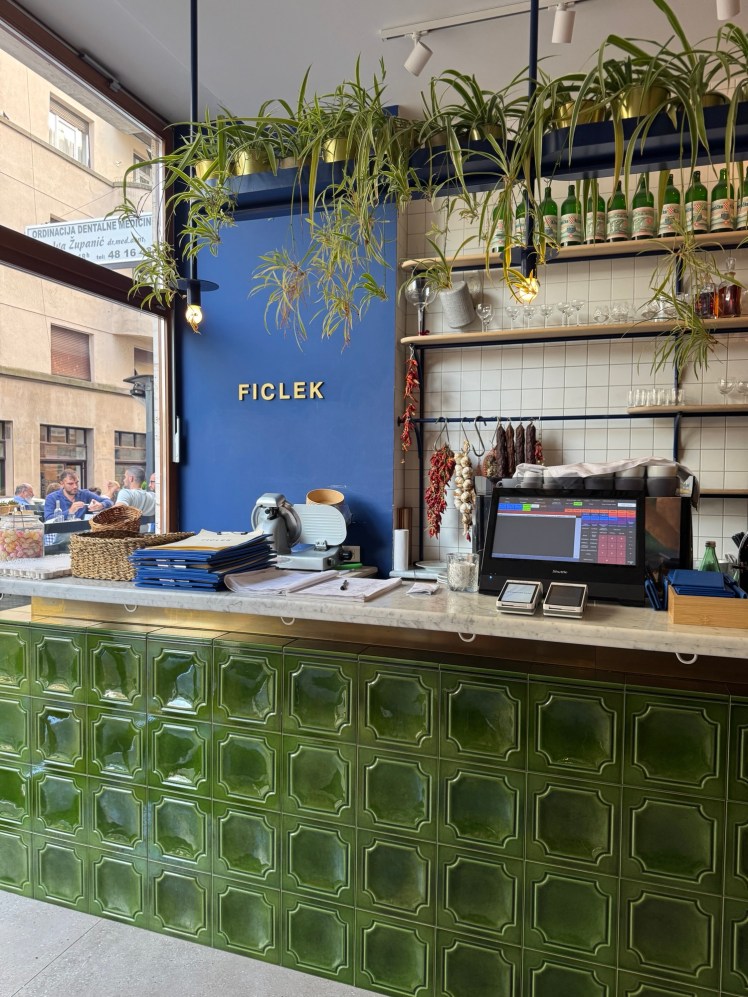
After we settled into our room, we decided to head out to dinner. C does the food research and had 3 restaurants he wanted to try. We headed to the first one, Ficlek, known for it’s local, homemade, and authentic Zagreb food. I opted for the fried chicken, which the menu said was a “very simple, locals’ favorite dish”, with the “Pire krumpir” (mashed potatoes) while C had the roasted turkey with “mlinci” (local baked flatbread pasta, cooked and sautéed). While the food was high quality and prepared well, I have to admit it wasn’t that flavorful. But it was filling.
Ficlek, like many European restaurants, is small with maybe 6 or 7 tables inside and another 5 or 6 outside. We got lucky. We arrived around 6:30, which is early for Italy, but apparently not too early for Croatia because the outside tables were all full. But as we arrived, a table of 2 were leaving. Once we were seated, we saw other people turned away. Some were just turned away, some were advised to try back later after 8:30pm, and some were told to come back the next night.
If Ficlek is on your radar, I recommend making a reservation.
After dinner, we walked back towards our hotel and noticed that the Chocolate Museum, which was just a few doors down from our AirBnB was still open. So we decided to give it a go.
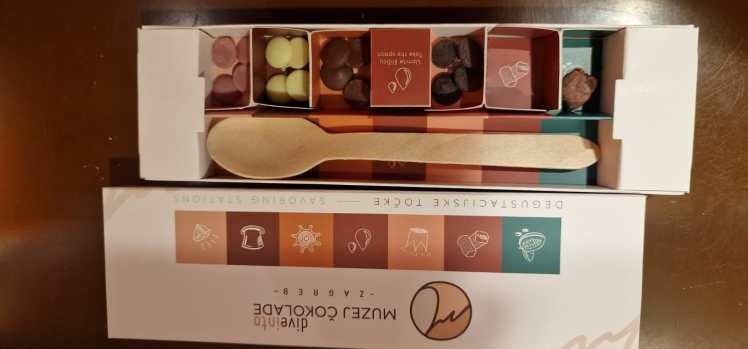
When you get your ticket, you’re also given a box with various forms of chocolate inside—a roasted cacao bean, chocolate nibs, dark, milk, white and ruby chocolate, and a chocolate mass (100% chocolate). Each section of the box has color and symbol coded to a different room. The rooms each tell a different portion of the history of chocolate starting with ancient Aztecs of Mesoamerica (the roasted cacao bean) to the Belgian praline and the great English chocolate factories. In the last room, you can also taste molten dark, milk, and white chocolate from the chocolate fountain.
The Museum was interesting, but rather small and focused mostly on the history. We decided it hadn’t really been worth the price but hey, we were on vacation.
We also learned that Zagreb has the biggest number of museums per capita in the world. Yes, they have a ridiculous number of museums. In addition to what you think of as the traditional museums (art, modern art, history, natural history, archeology), Zagreb has museums on the 80s, Video Games, Nikola Tesla, Illusions, Mushrooms, Hunting, Torture, Lost Tales, Hangovers, Selfies, Cartoons, Laughter, Broken Relationships, and the Cravet. Yes, you read that right. A boutique museum dedicated to cravets called The Cravaticum.
Why cravets, you may be asking. Well, the cravat (a precursor to the modern necktie) has its origins in Croatia. During the Thirty Years’ War (1618-1648), girls and women made these ties predicting luck and safe return for their men. The Croatian soldiers (Croats) wore these distinctive neckcloths, which caught the attention of the French, who adopted of the style. (A lot of fashion came from military.) The French word “cravate” is derived from the French word “Croate”.
But I digress. On to Saturday!
Saturday
After a not so restful night, I decided to find alternative lodging. The AirBnB I had booked was clean and in a good location. However, the 3rd floor walk-up did not have great insulation and with old windows, I heard every sound from the street below. The air conditioner wasn’t working well and the room never did get cool. Luckily, I had gotten the room for an amazing deal, so I did not feel bad for booking a different room at Hotel Dubrovnik, which was right in the historic district. More importantly, it had working air conditioning and advertised soundproof rooms (which I can attest to).
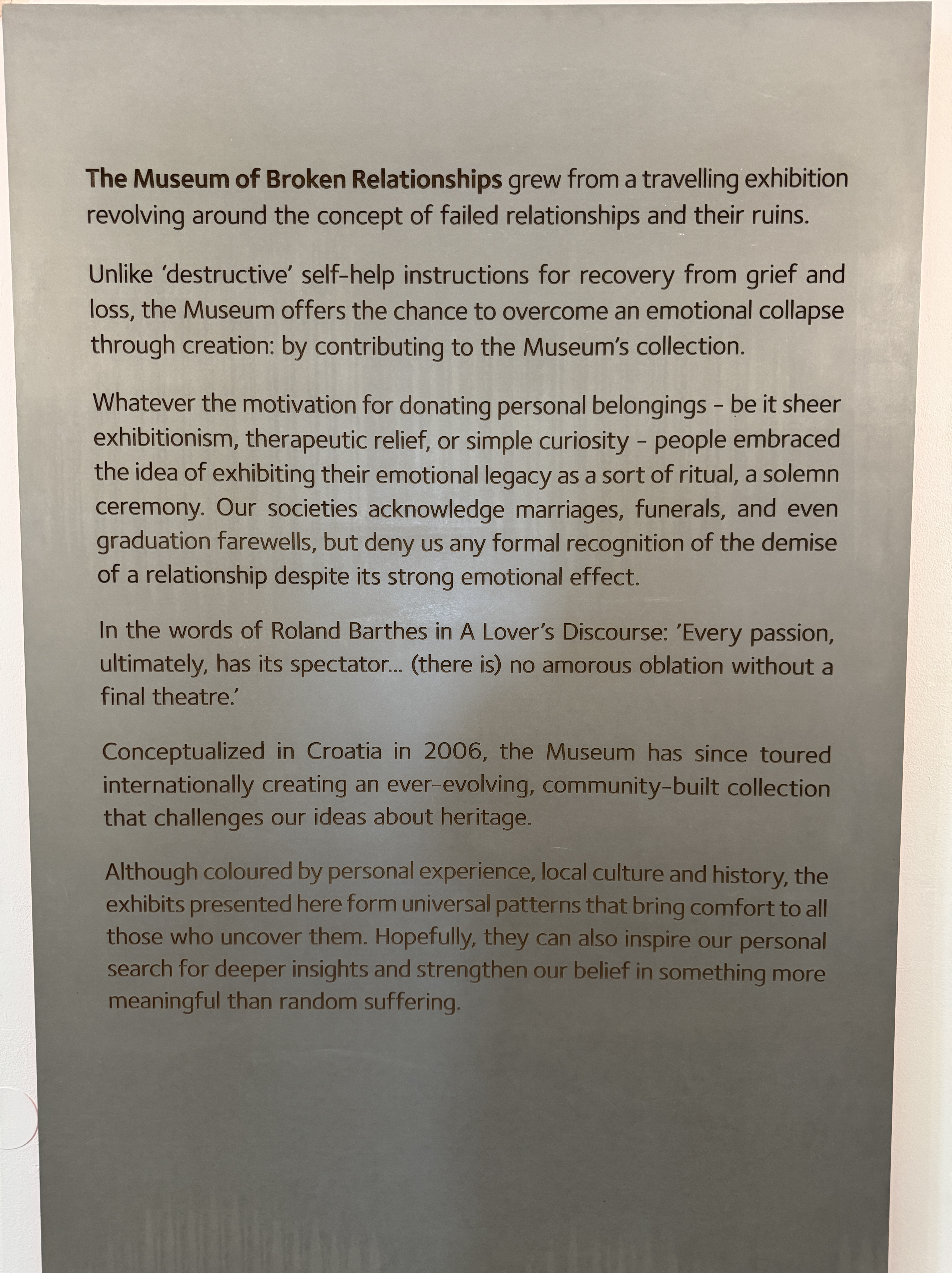
If you google Zagreb, most of the travel sites recommend the Museum of Broken Relationships. After reading about it, I added it to my must-do list (even though C wasn’t quite as enamored with the idea, he’s a good sport). Since we had some time to spare before our food tour, we decided to head to the Upper Town tothe baroque Kulmer palace in the Upper Town where the musem is located.
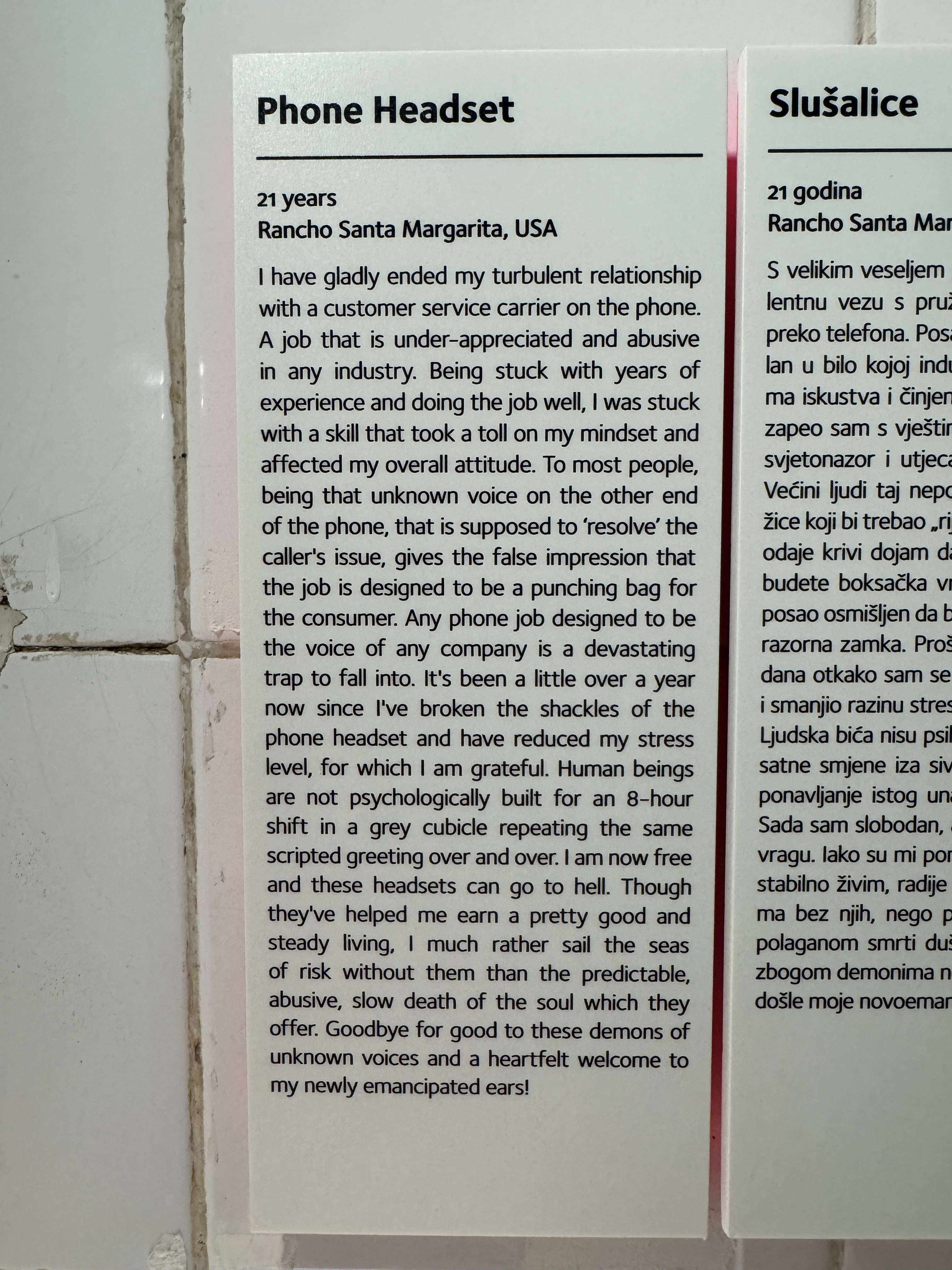
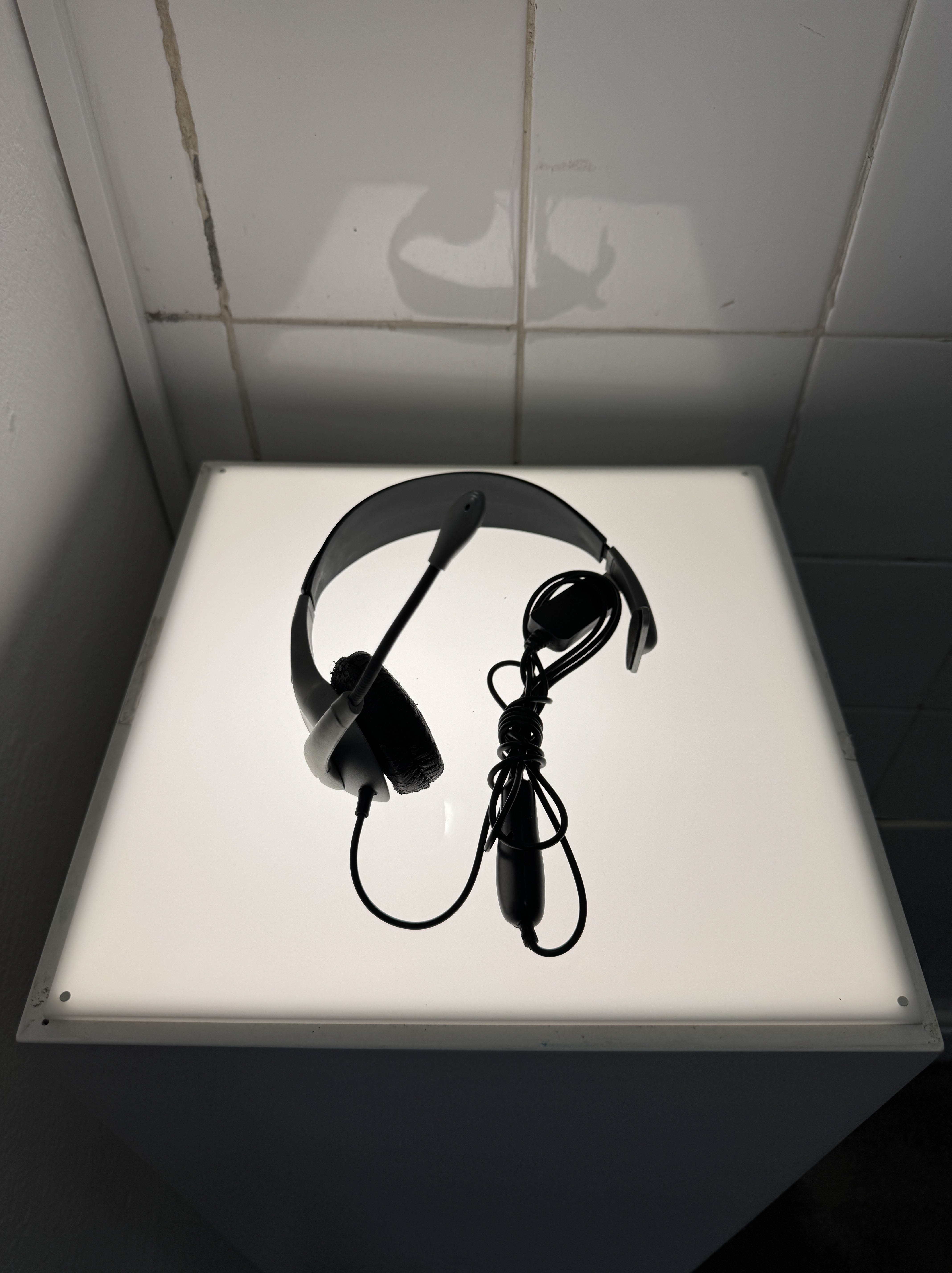
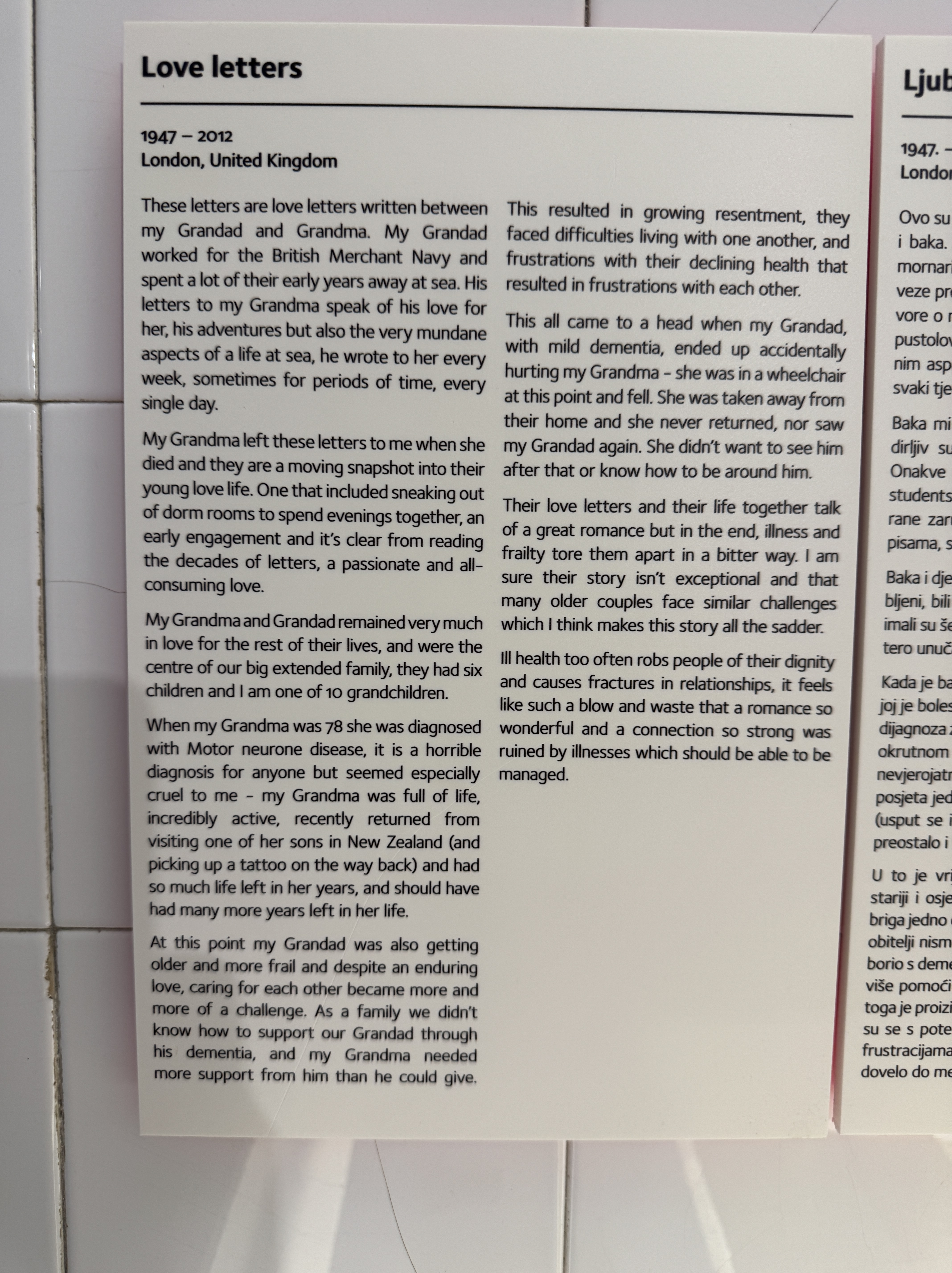
Like most of the specialty musems in Zagreb, the Broken Relationships Museum is also relatively small. But even at 9:30 am, it was already quite busy. We spent a solid hour looking at the displays and reading all the stories, submitted by people from around the world. Break-ups weren’t just romantic, although a good portion of them were. But there were other types of break-ups too, like breaking up with a job.
Overall, I like the museum—some of the exhibits were funny (a LEGO Friends set, buttons), some were beautifully sad (the love letters), and some were just so random (headset).
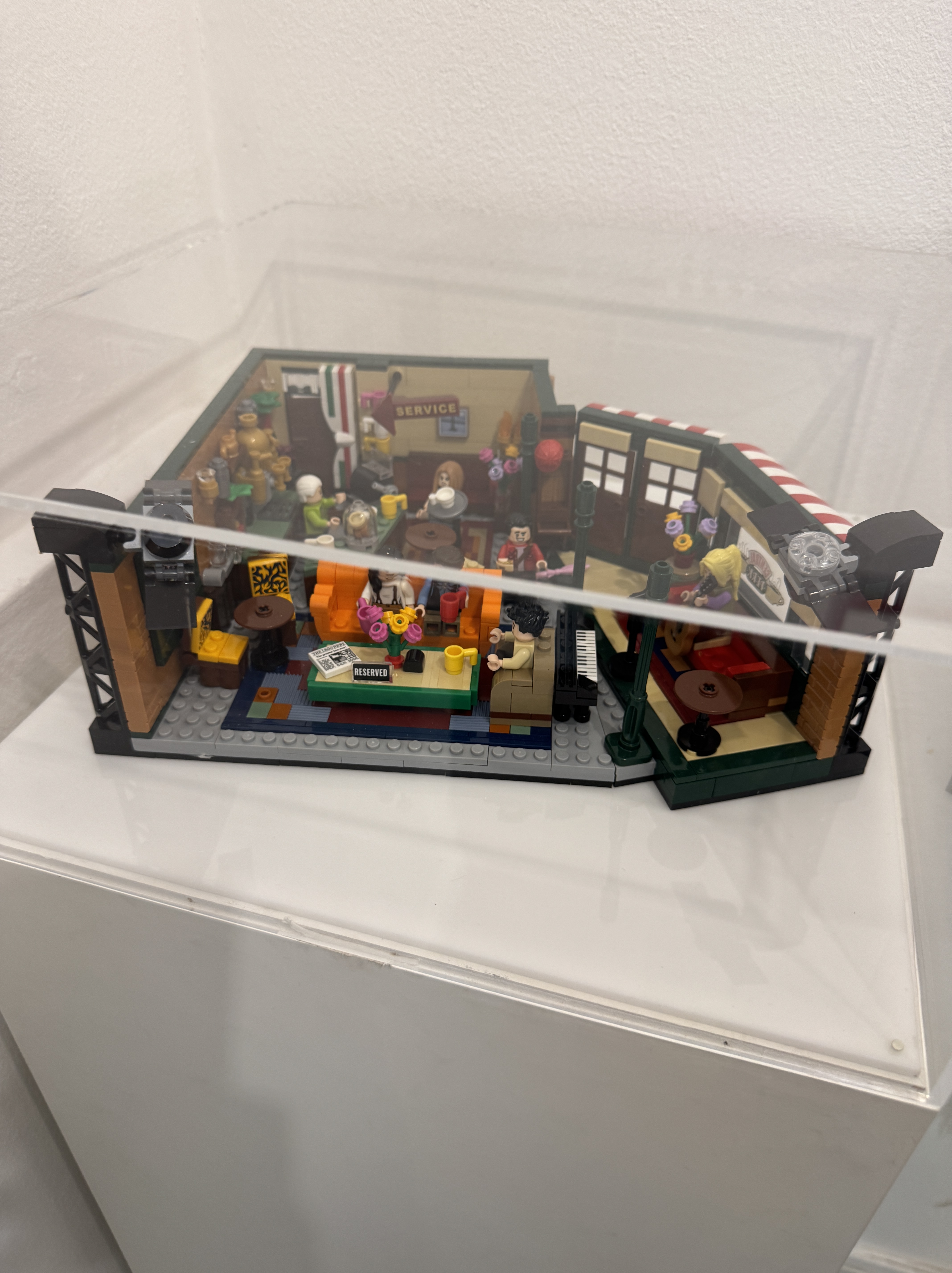
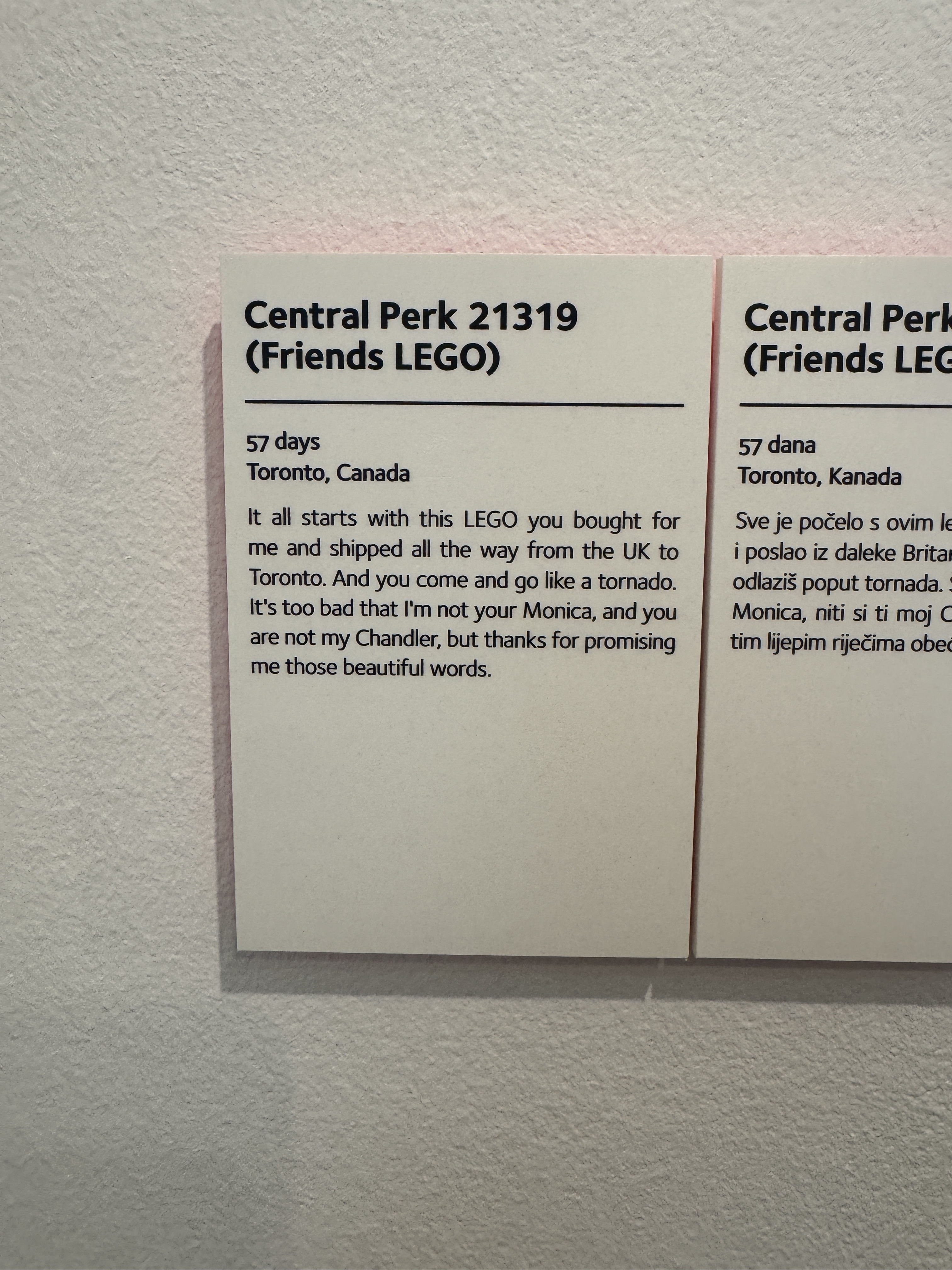
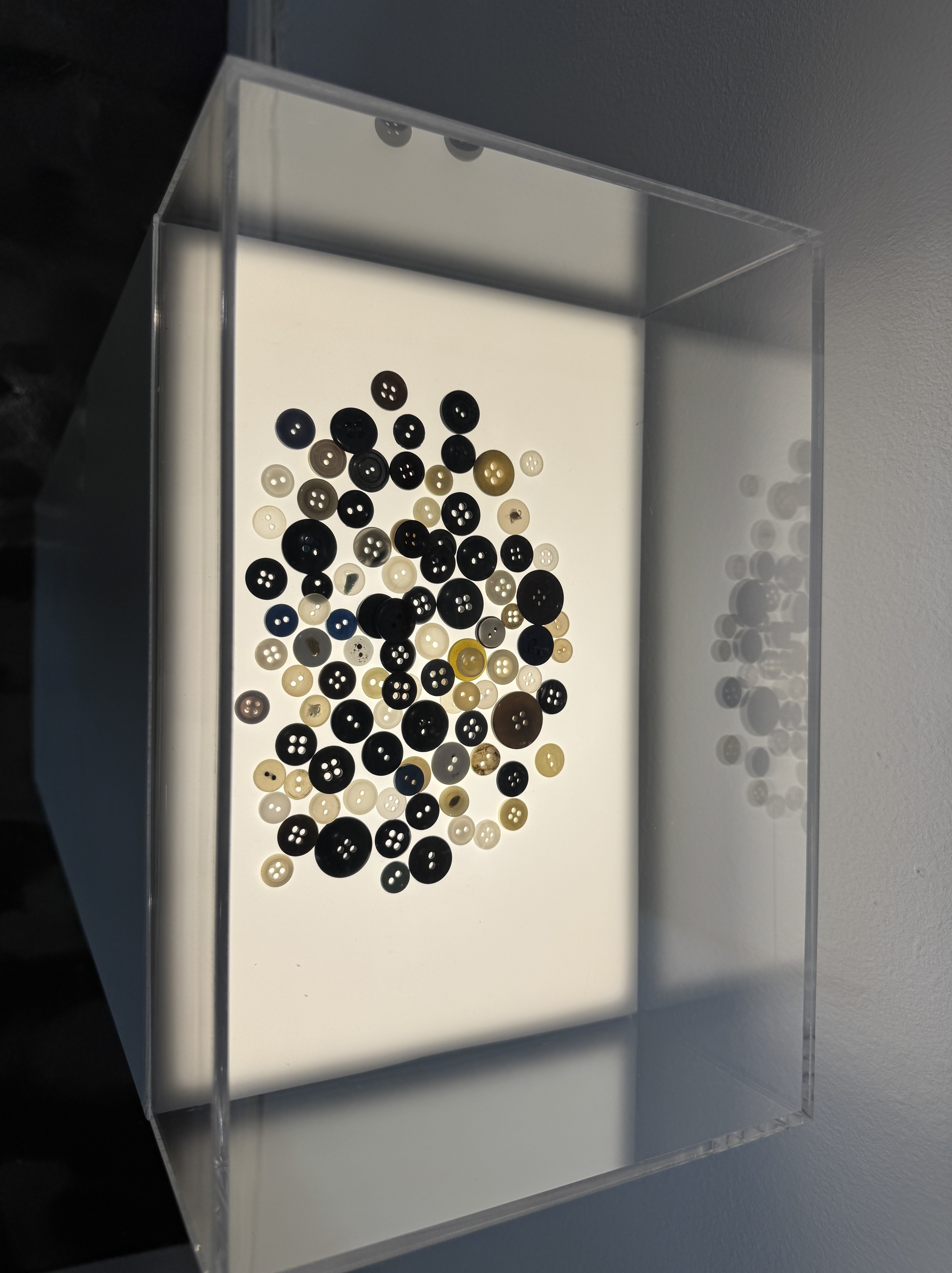
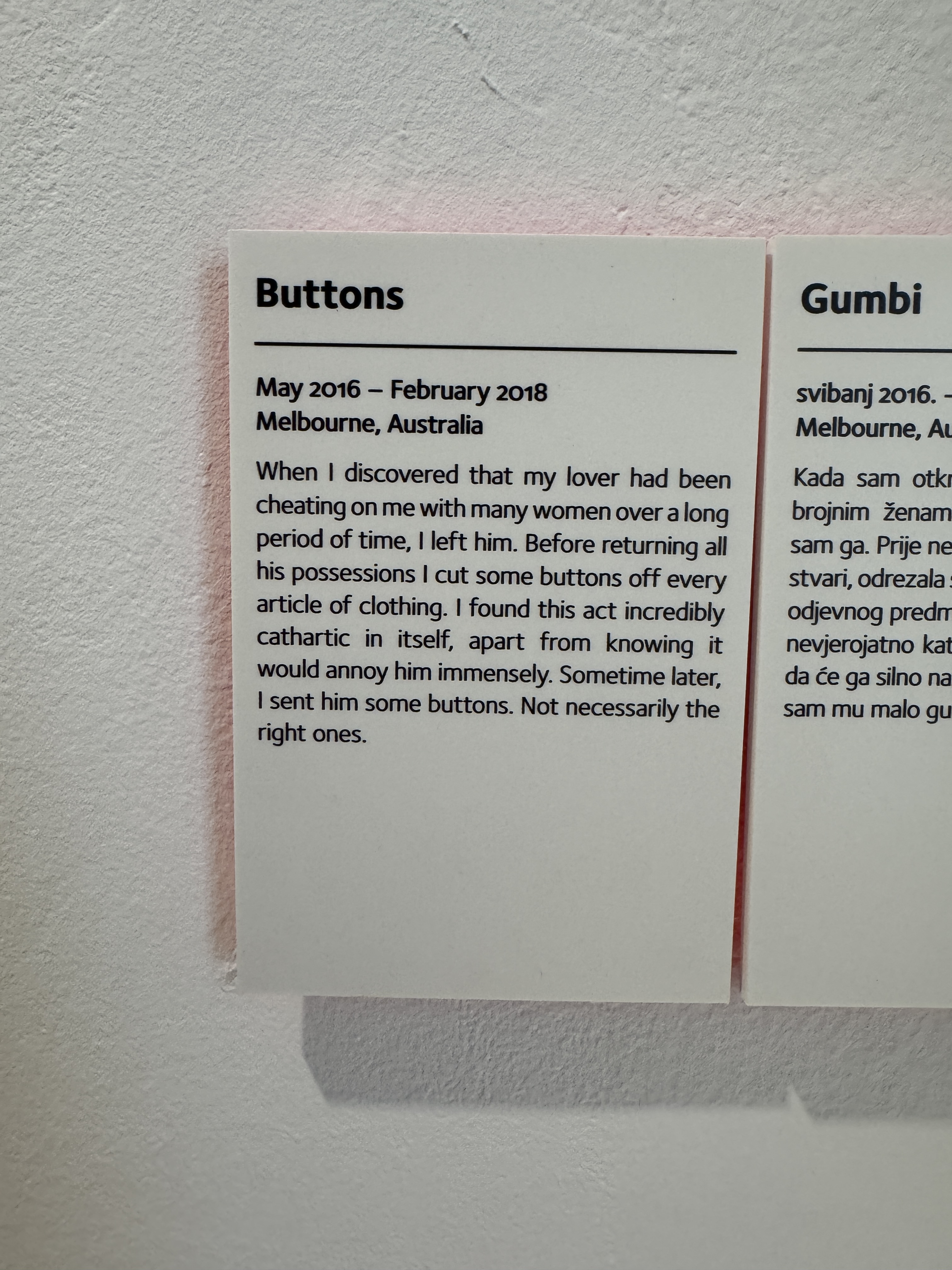
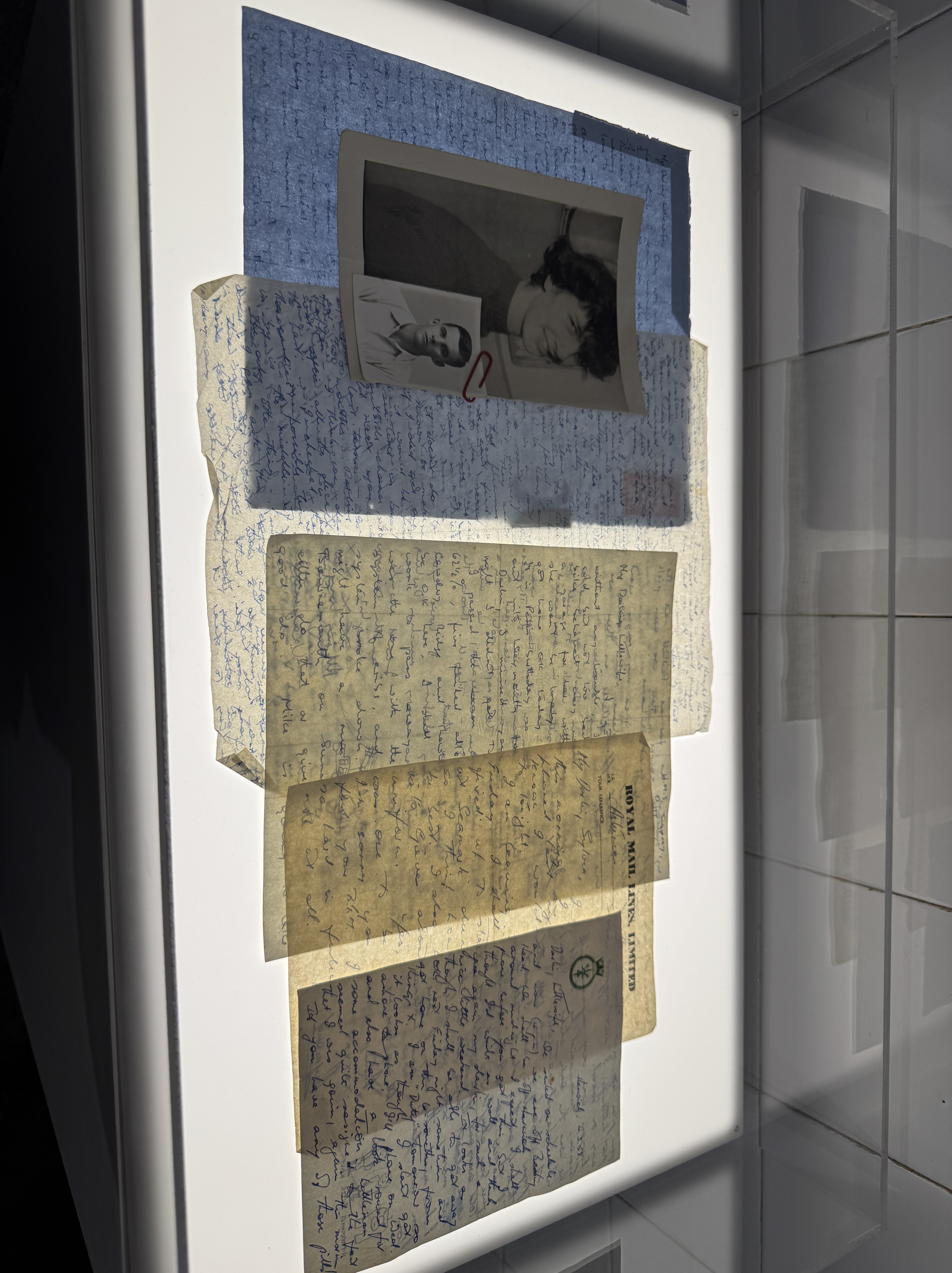
After the museum, we headed to the main square to meet our local food tour guide, Tomislav. Our travel deal is that I book the flights and hotels and C finds and books the local food and walking tours. He found Tomislav through WithLocals.
Tomislav is a native Croatian who’s lived in Zagreb the last decade. He gave us a packet of information and we headed off on our walking food tour. First stop was the market where we had domaći čvarci, which are a traditional Balkan snack, essentially homemade pork cracklings, made by rendering pork fat until crispy and golden brown. I didn’t care for them as they were a bit too salty for my taste. We then stopped at another stall where I had my first taste of brandy. And finally a cheese stall where we tried several kinds of fresh cheese.
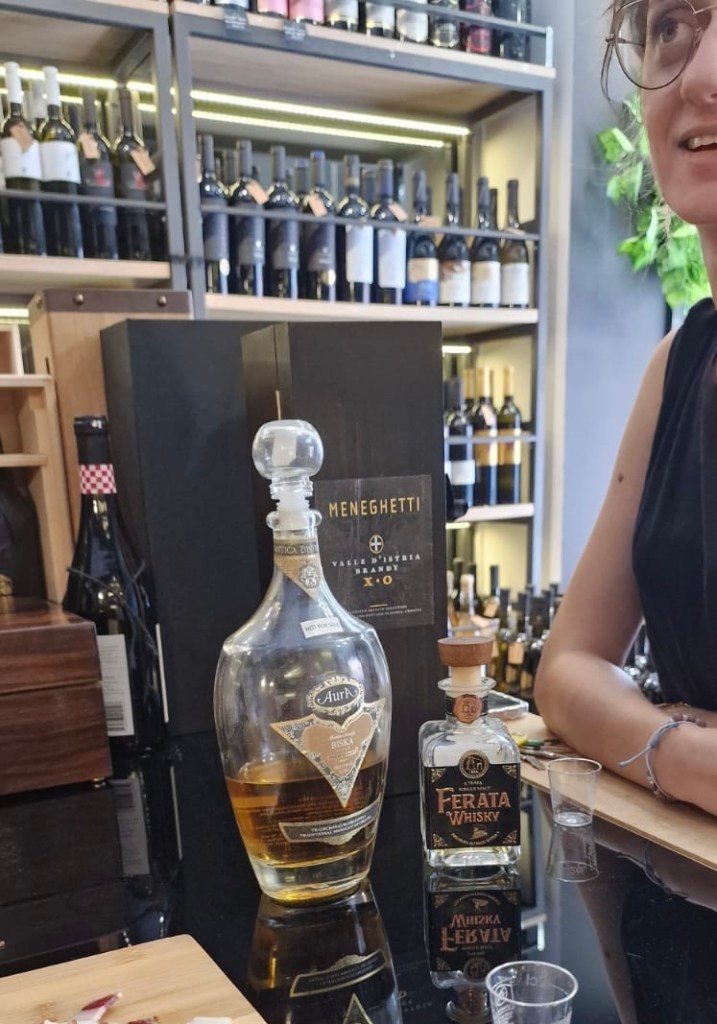
Next stop was Wintrina, a delightful shop full of European wines, deli items, liquors, and premium products. Here we started with Rukatac, a delicious Croatian white wine from the Radovanović family winery on the Dalamtian Coast of Croatia ( historical region located in modern-day Croatia and Montenegro, on the eastern shore of the Adriatic Sea). Martha, our host at Wintrina, also had a charcuterie board with cheese and some sort of fatty meat with an delicious loaf of bread.
For the bread, she brought out two kinds of Croatian olive oil and a bučino ulje (pronounced boo-chee-no ool-yeh).Bučino ulje translates to “pumpkin oil” in Croatian. Specifically, it refers to Varaždinsko bučino ulje, which is a high-quality, aromatic pumpkin seed oil produced in the Varaždin region of Croatia.
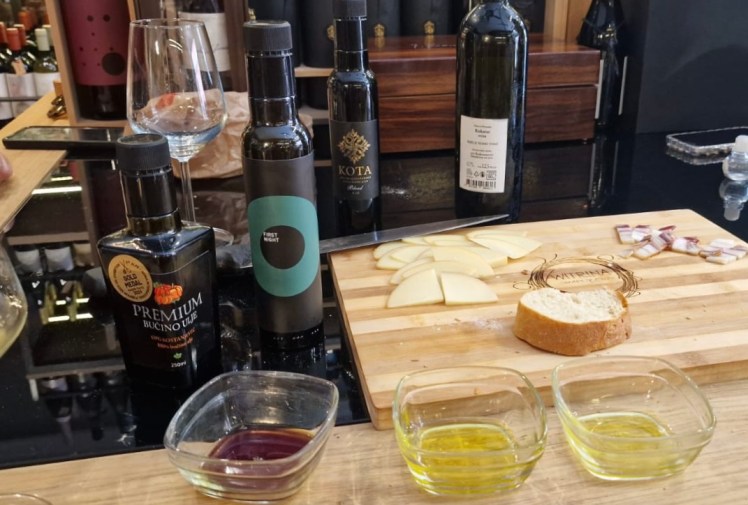
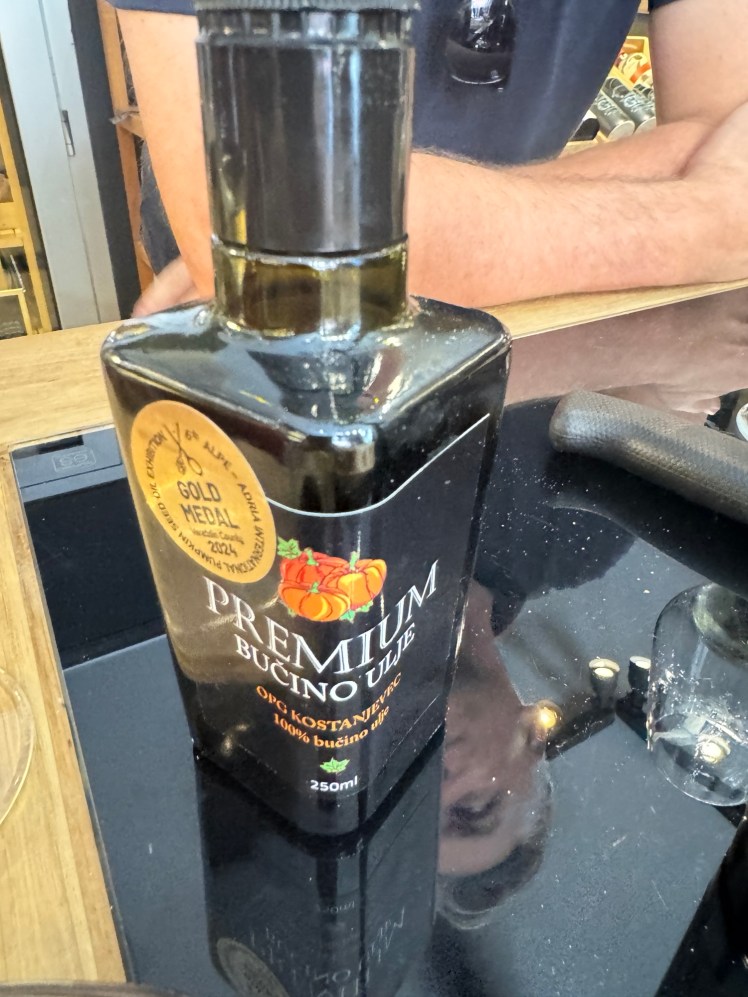
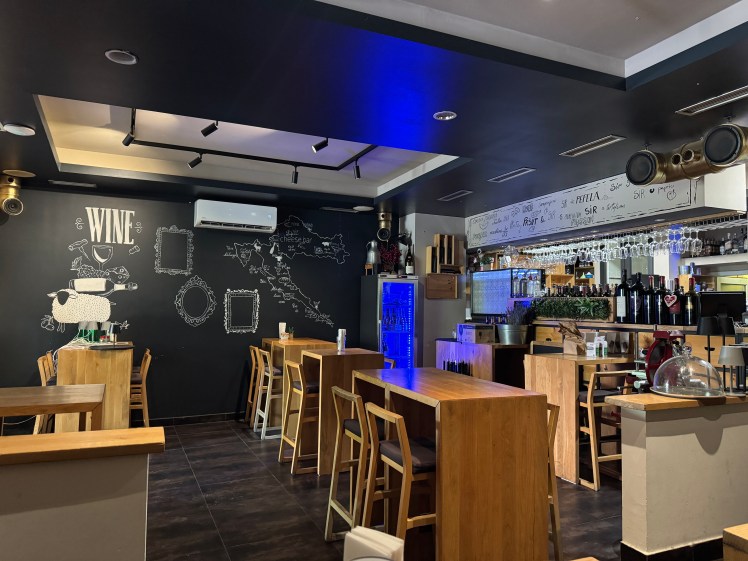
Now, I love me some olive oil. But frankly, you can’t beat Italy for EEOO because there’s such amazing oilve oil here. So the Croatian olive oil, while tasty, wasn’t that special in comparison. But the bučino ulje, *chef’s kiss*, was ah-mazing. It is dark, like balsamic vinear, with an aroma of roasted pumpkin seed. The taste was a refined, yet subtle nuttiness. I could have eaten the entire loaf of bread and had the entire bottle of bučino ulje. Soooo good!
We also had biska, a mistletoe brandy from Aura. Aura is a family distillery in Istria, Croatia, which is right across the boarder from Trieste, Italy. This traditional Croatian brandy is made from grape pomace and white mistletoe that traces its origins back to the ancient Celts. I never thought I’d be a brandy drinker but the mistletoe brandy made a liar out of me.
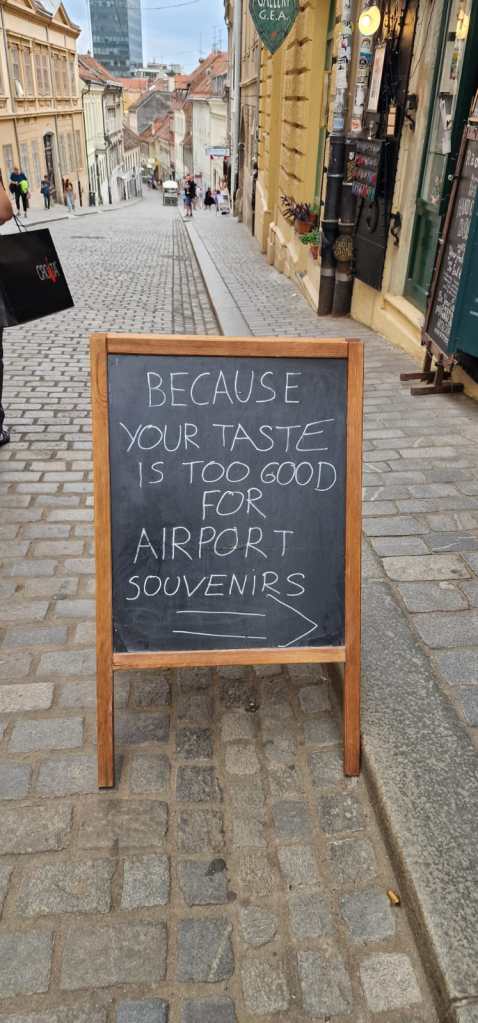
We said vidimo se kasnije (see you later) to our new friends at Wintrina, and Tomislav took us next to a Croatian chocolate store where we had a bit of chocolate. We then walked through part of the Lower Town where Tomislav told us about the history of cravets and took us to Croata, where I purchased a gorgeous silk kaftan and two beautiful silk scarves—a special edition (number 6 of 8) and a larger one for travel since many religious buildings require visitors to cover their shoulders and arms, and sometimes even their heads. Sadly, I could not convince C to get a cravet or even a necktie.
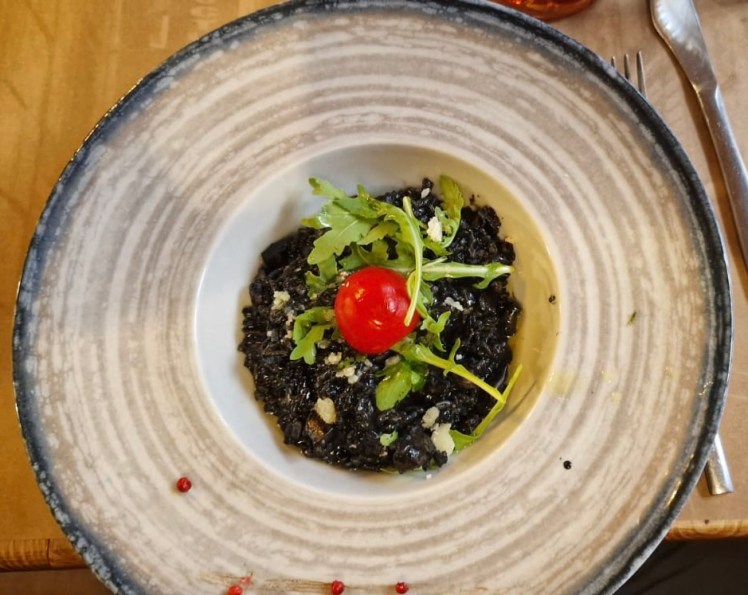
From Croata, we headed to the Upper Town to Uspinjača, a traditional Croatian cuisine restaurant. Here, we had more Croatian brandy and crni rizot (black risotto). Now I know what you may be thinking. Black risotto? Black? Really?
Yep, really. And it is absolutely delicious. So much so, that’s all I wanted to eat the rest of the trip. (I didn’t, but I did have it for lunch on Monday before we left.)
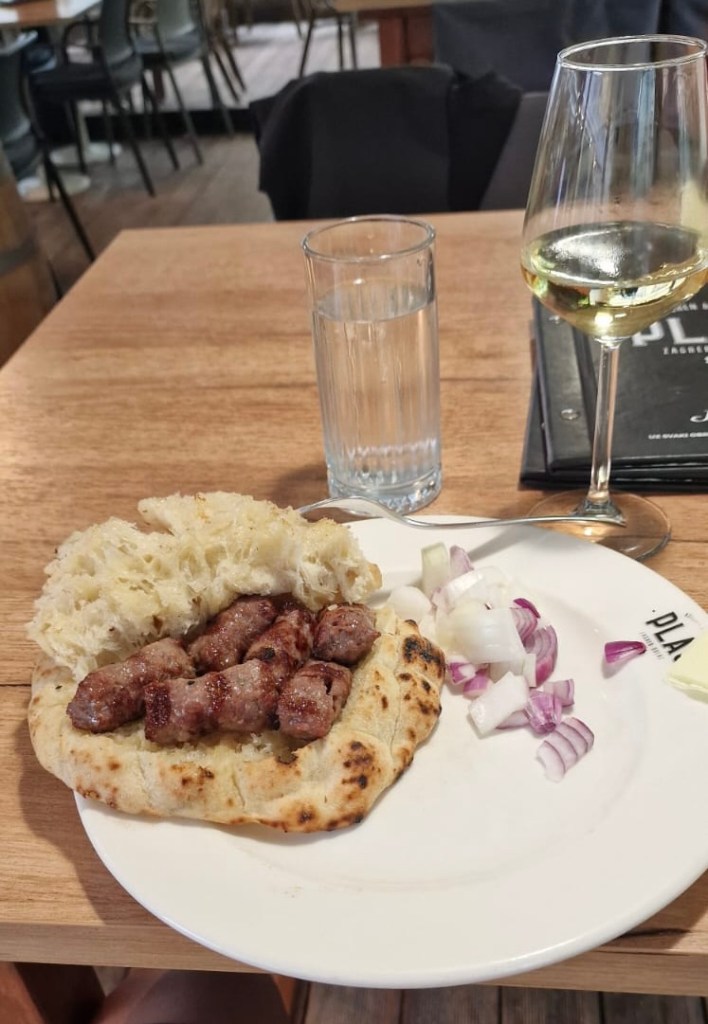
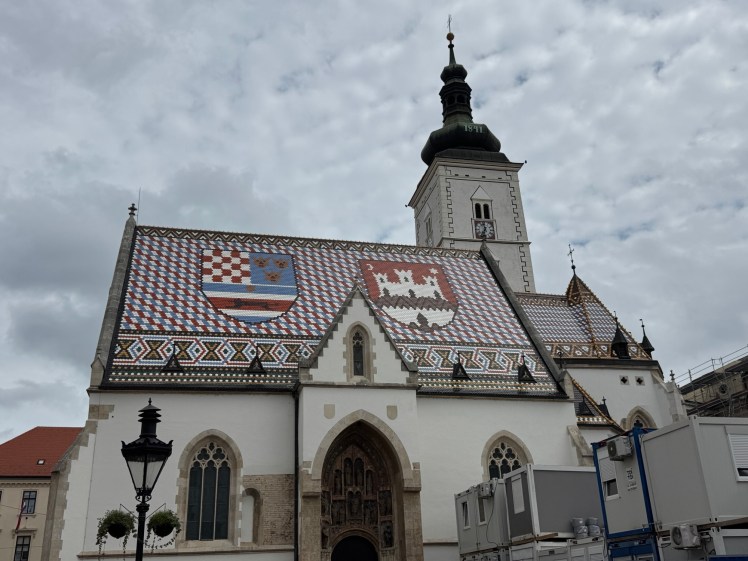
We then stopped by the famous St. Mark’s before heading to a pub to try ćevapi, a popular Balkan dish of small, grilled sausages made from a mixture of ground beef and pork and served with a side of ajvar (a pepper-based relish), onions, and kajmak (a creamy dairy product) served in a lepinja (a type of Balkan bun). It was delicious, but by this time, I was quite full!
Tomislav wound us back to Lower Town to Wintrina because I wanted to buy bučino ulje. We said
hvala (thank you) and farewell to Tomislav for our wonderful food tour. Even though I preferred the food in Bologna, this was by far the best food tour we have been on and it will be hard to top it.
Sunday
Sunday we woke to rain. Although the rain lasted until mid-afternoon , the rain was mostly a soft rain (except when it poured while we were eating lunch). Eventually, the rain cleared the air and more importantly, dropped the temperature. From 90 degree on Friday to a lovely 75 on Saturday. And since we had seen the forecast and I had noted that it was forecasted to rain before we left, we were I was prepared. (Luckily for C, they sell umbrellas everywhere.)
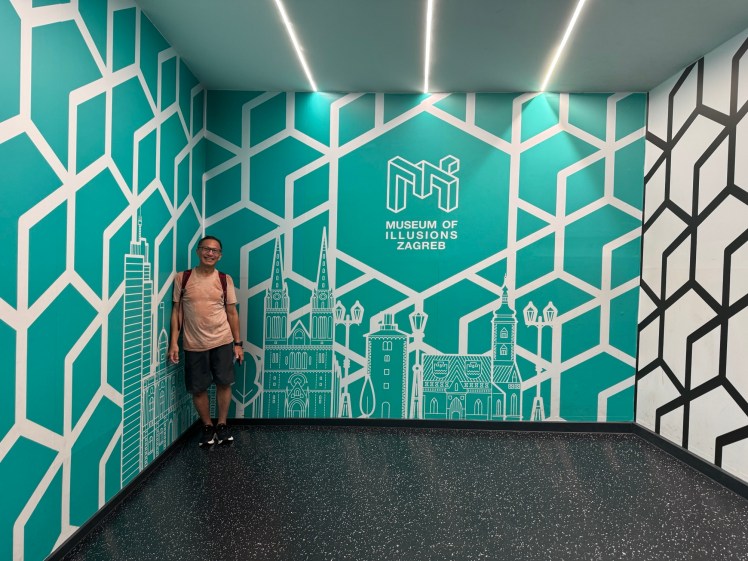
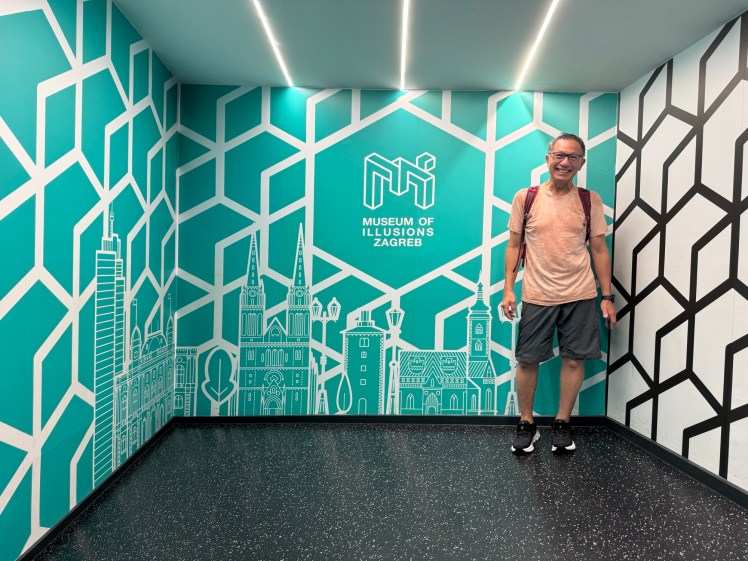
Since it was raining, we headed to the Museum of Illusions after breakfast. This was a super fun museum, although it got a bit muggy inside because of the rain. (Central air conditioning isn’t really a thing in Europe, and the room A/C units really don’t do a great job in commercial spaces.)
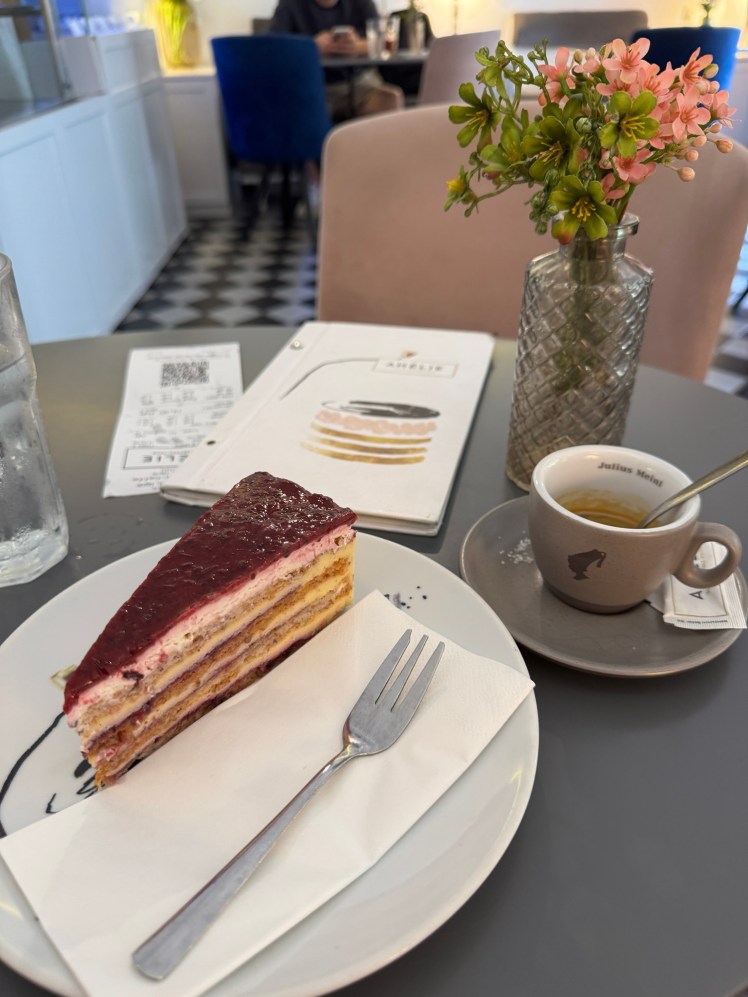
After spending a couple of hours exploring all the illusion exhibits, we headed to a cafe for espresso and watched the rain.
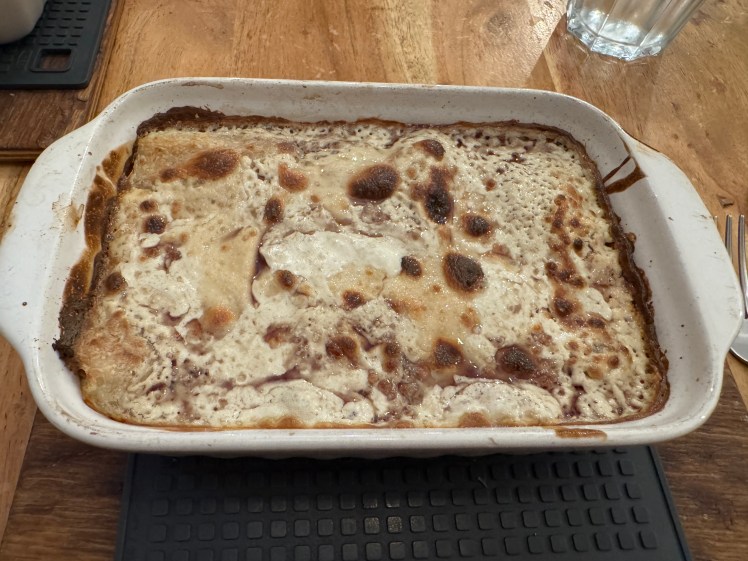
For lunch, we headed to another one of the restaurants C had on his list—La Štruk to have štrukli. Štrukli is a traditional Croatian dish, a type of baked or boiled cheese strudel. It’s made with a thin, stretched dough filled with cottage cheese and sour cream, and often baked or boiled and is considered a cultural heritage dish in Croatia. There are also sweet, dessert štrukli too.
The place was popular and we had to wait about 30 minutes to be seated. Then the waitress warned us it would be another 25-30 minutes because they make and bake each dish on order. C choose the traditional štrukli while I had the one with pumpkin seeds, which added a lovely nutty flavor to the dish. It looks a lot like cheese lasagna and they were huge! They came out in a 4x6x3 ceramic dish straight from the oven. We should have split one.
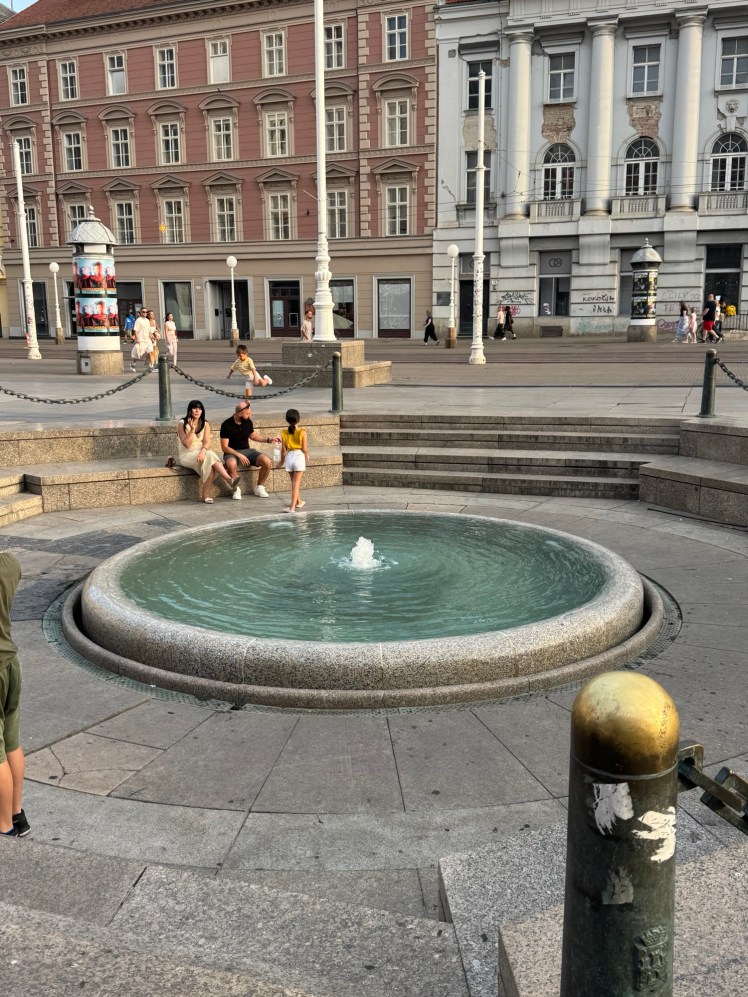
We then spent the rest of the late afternoon wandering and just enjoying the city. We had wanted to ride the Zagreb Funicular, known for being one of the shortest public transport funiculars in the world (a while 66 meters). It connects Ilica street in the lower town to Strossmayerovo šetalište in the upper town. Sadly, it was closed for renovation.
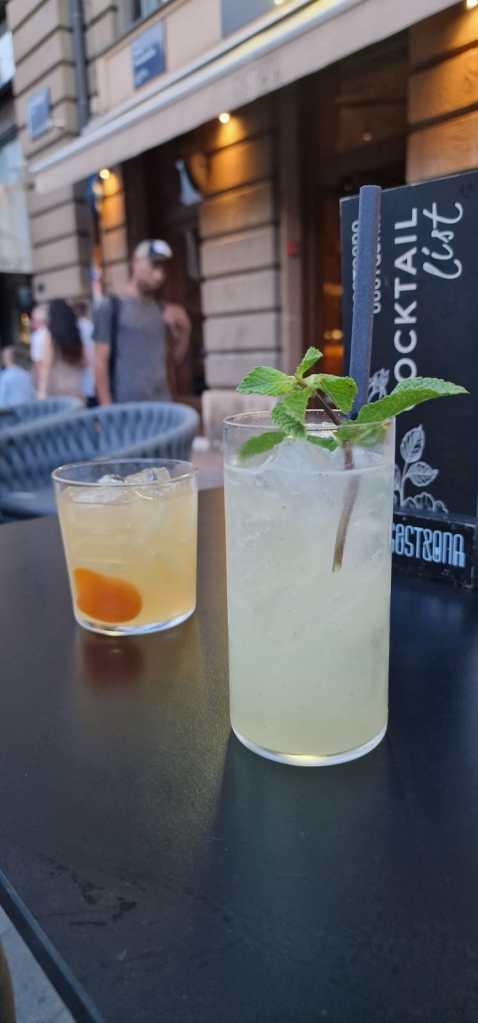
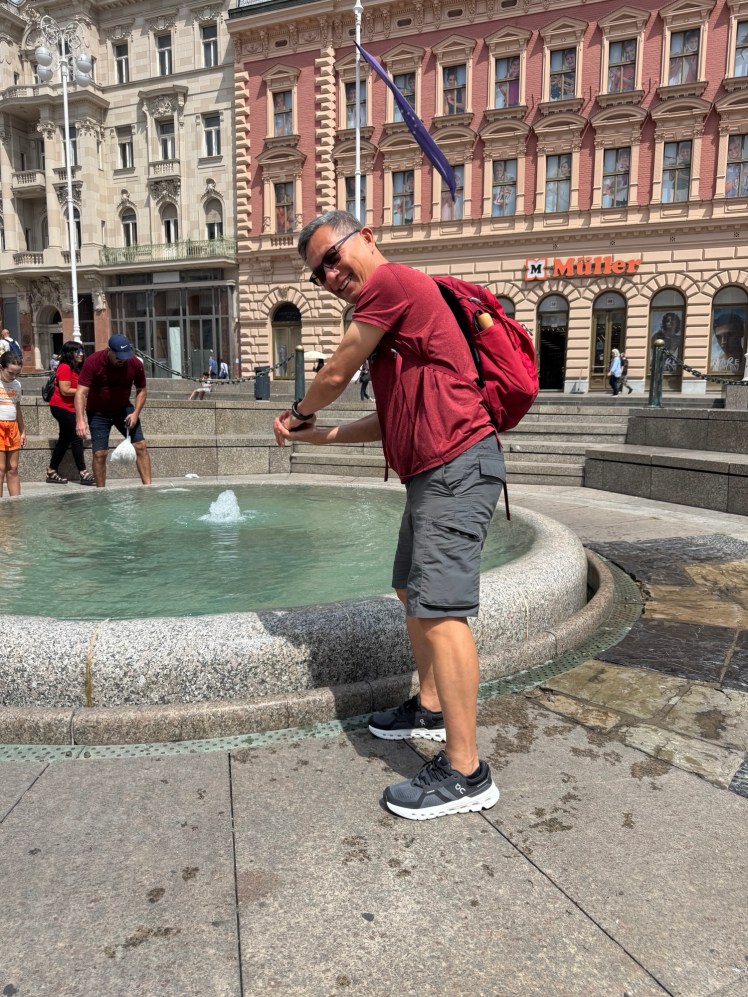
We finished the day sitting at one of the pubs, people watching and having a few drinks.
Monday
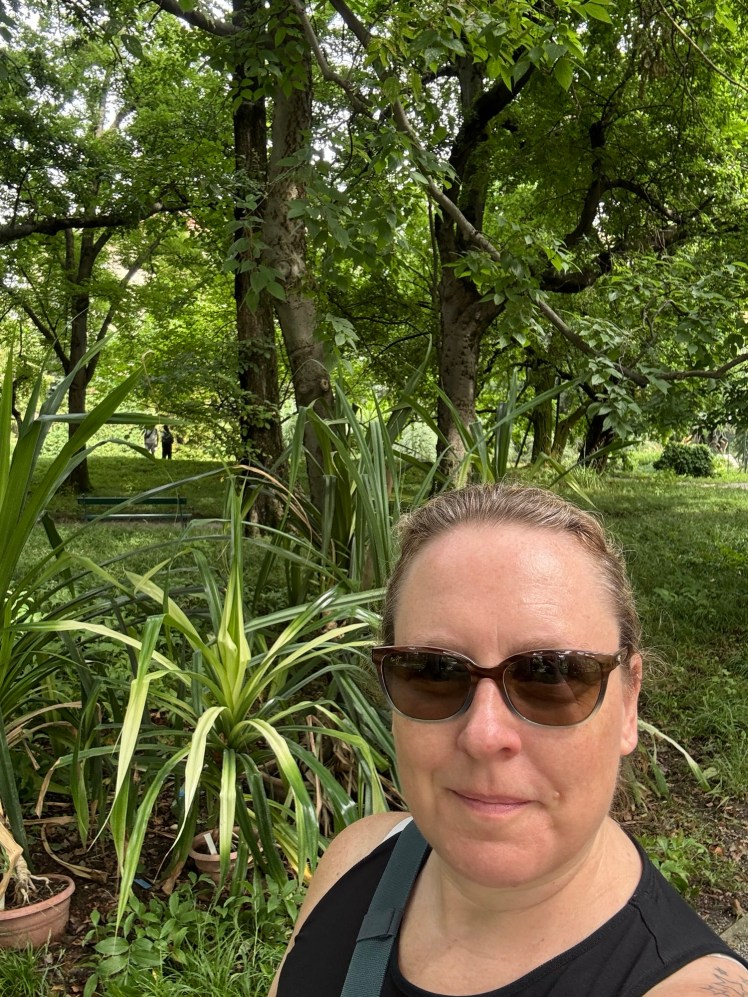
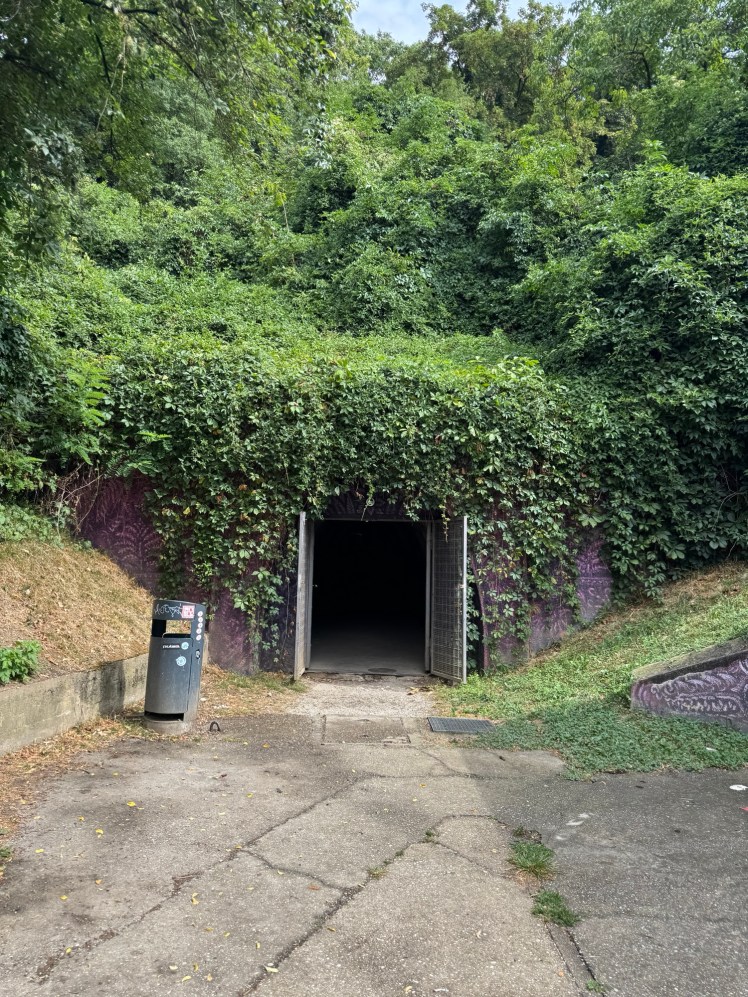
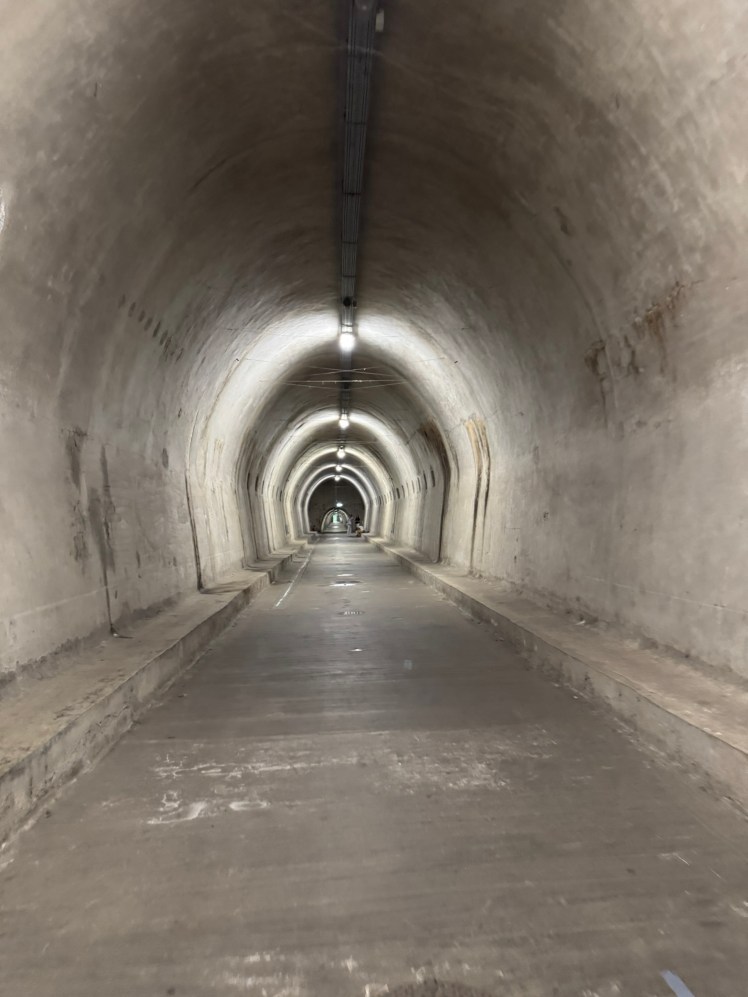
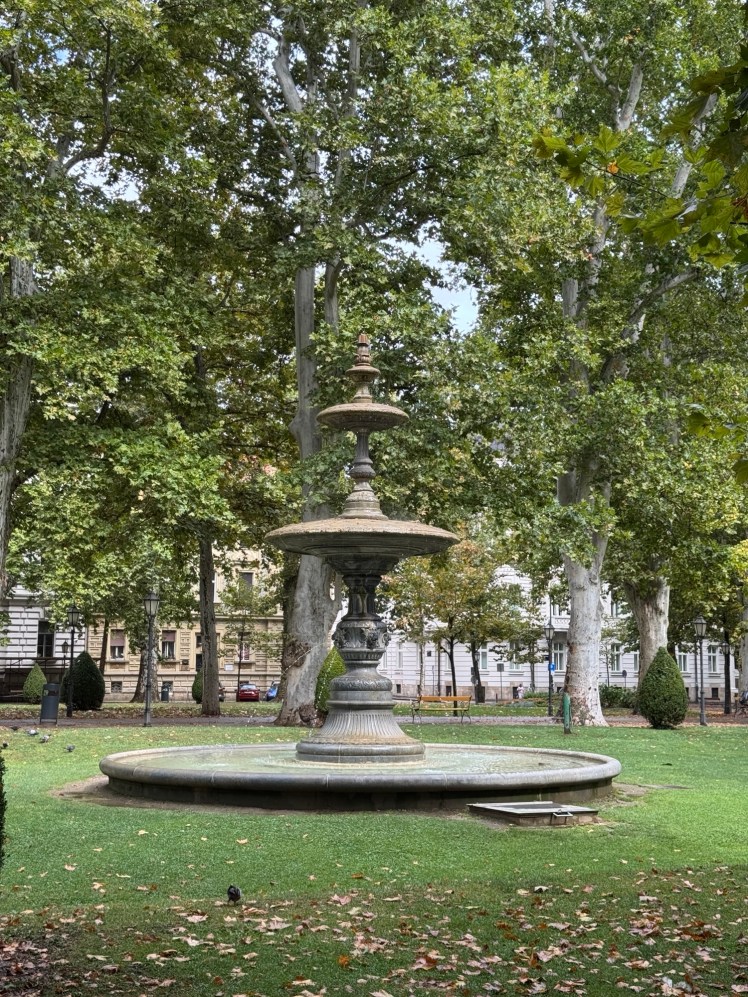
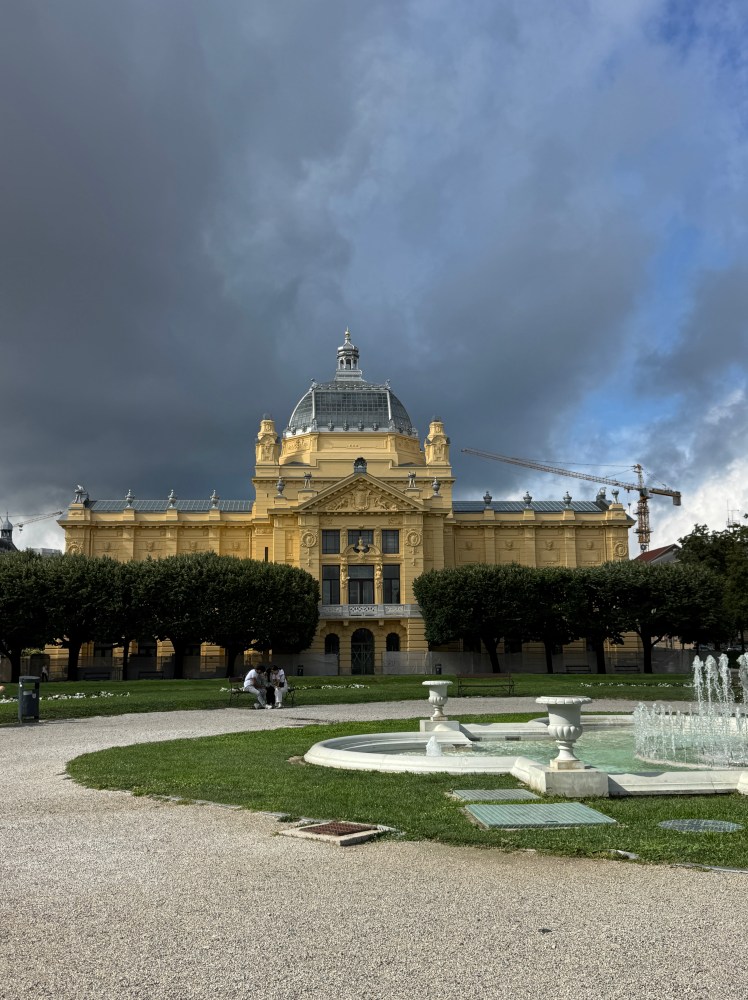
Since our flight wasn’t until mid-afternoon, we decided to wander more outside the historic district. Zagreb has so many beautiful green spaces. We spent some time in several of the parks enjoying the day and people watching.
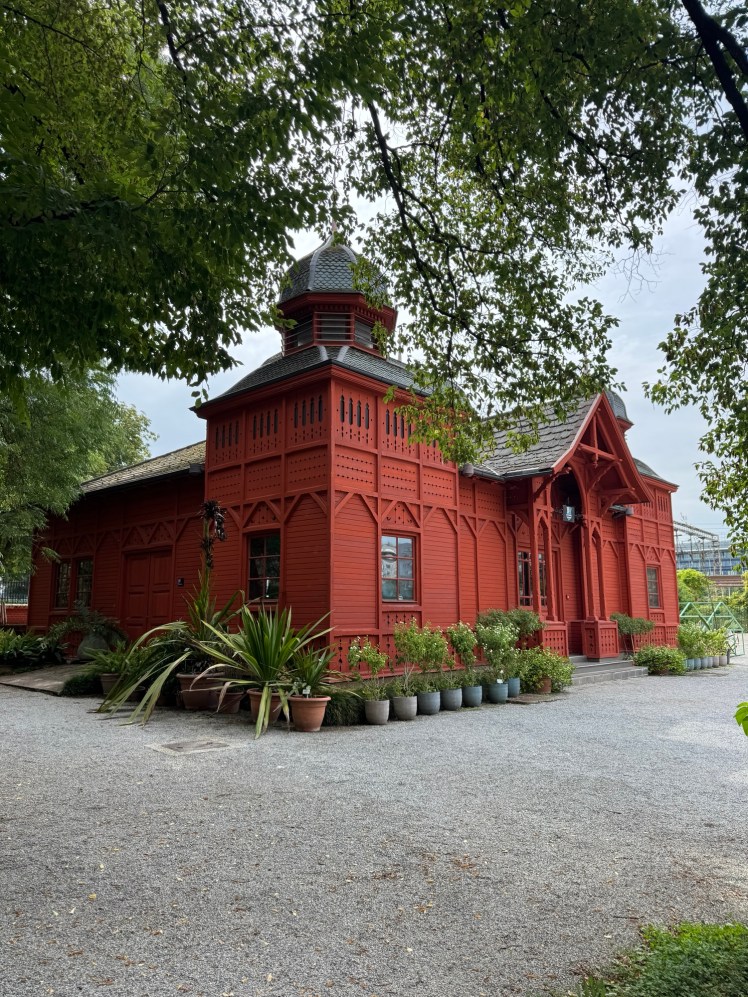
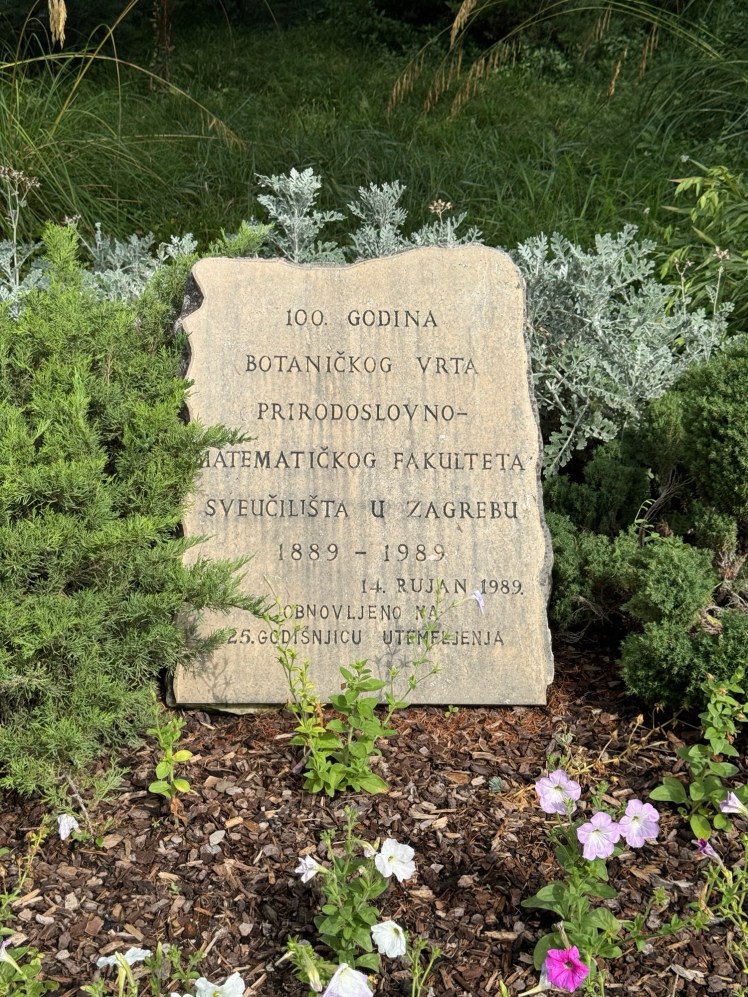
Eventually, we made our way to the Botanical Garden park, which was a lovely space. However, because of the rain the day before, the mosquitoes were out. So after an hour, we headed back to the main square to find some lunch.
We then said doviđenja (goodbye) to Zagreb and headed to the airport for our return flight.
Final Thoughts
I absolutely loved Zagreb. The city is easy to navigate and there’s enough to see, do, and eat for a 3-night stay. Just the crazy museums alone are worth a trip! While Croatian food overall isn’t my top food choice, I had several delicious dishes and I enjoyed the brandy. Most importantly, the people were welcoming and friendly. And even with the rain, we had a great time.
Unlike Romania, Croatia’s economy is stronger and the city just wasn’t as damaged. Now, there is a lot of reconstruction happening due to the damage from the 2020 earthquake. But frankly, seeing all the construction was inspiring. This is a city who isn’t letting a natural disaster get them down. They are repairing and rebuilding.
The city definitely had a vibe and a spark. In the evenings, the city squares were packed with people drinking, eating, and visiting. Most of the restaurants had lots of outdoor seating and were all packed by 9:00pm. The people watching was fantastic.
I definitely have plans to go back to Croatia. I want to go to the Dalmatian Coast to visit Split, Dubrovnik, and the islands. And I will definitely go back to Zagreb.
Next Up?
I’ve booked a week-long trip for October (my favorite travel month) where we’ll be exploring 3 cities in 3 different countries. I won’t say which 3 as not to spoil the reveal—give your guess in the comments below. We’re currently discussing options for November, December, and January.
As for this month, I’m traveling to Germany next week for work and C has some work travel coming up likely in September, so we”re opting to explore more regional/Italy places. Tomorrow we’re headed to Porto di Mola, a vineyard here in the Campania region and then Sunday we plan to visit Caserta and the Royal Palace and Gardens, one of Italy’s UNESCO sites.
So stay tuned for more travel adventures!
All links in this post (as well as my other travel posts) are for your convenience only. No affiliate links.


He is a beautiful cat
LikeLiked by 1 person
Thank you! I think so too
LikeLike