It’s been a while eight months since I’ve done a local adventure post!
Here are some of my recent local adventures (click on the link to skip to that section):
Share in the comments which local adventure you liked best or a local adventure you’d like to see.
Archaeological Park of Paestum
In southern Italy, beginning around the 8th century BCE, the Greeks extensively settled and founded cities in what was known as Magna, Graecia. One of the major cities was Poseidonia, which later became Paestum.
Did you know?
Napoli (or Naples) was also a Greek city called Neápolis (New City). But Napoli is even older, dating back to the Neolithic period (10,000 to 2,000 BCE and was a Mycenaen settlement in the second millennium BCE.
Paestum was established around 600 BCE and the city thrived for about two centuries. In 400 BCE, the city was first seized by the Lucanians, an Italian tribe, and then was taken over by the Romans in 273 BCE and renamed Paestum.
As trade routes changed, the city slowly declined and was completely abandoned in the early Middle Ages. It was in the 18th century that the city was rediscovered along with Pompeii and Herculaneum.
Today, Paestum is known for the three ancient Greek temples in the Doric order that date from 550 to 450 BCE. The oldest surviving temple ans the one furthest south is the first Temple of Hera, built around 550 BCE. The second Temple of Hera, built around 450-460 BCE, is just north of the first. The third temple, built around 500 BCE on the highest point of the city, is the Temple of Athena.
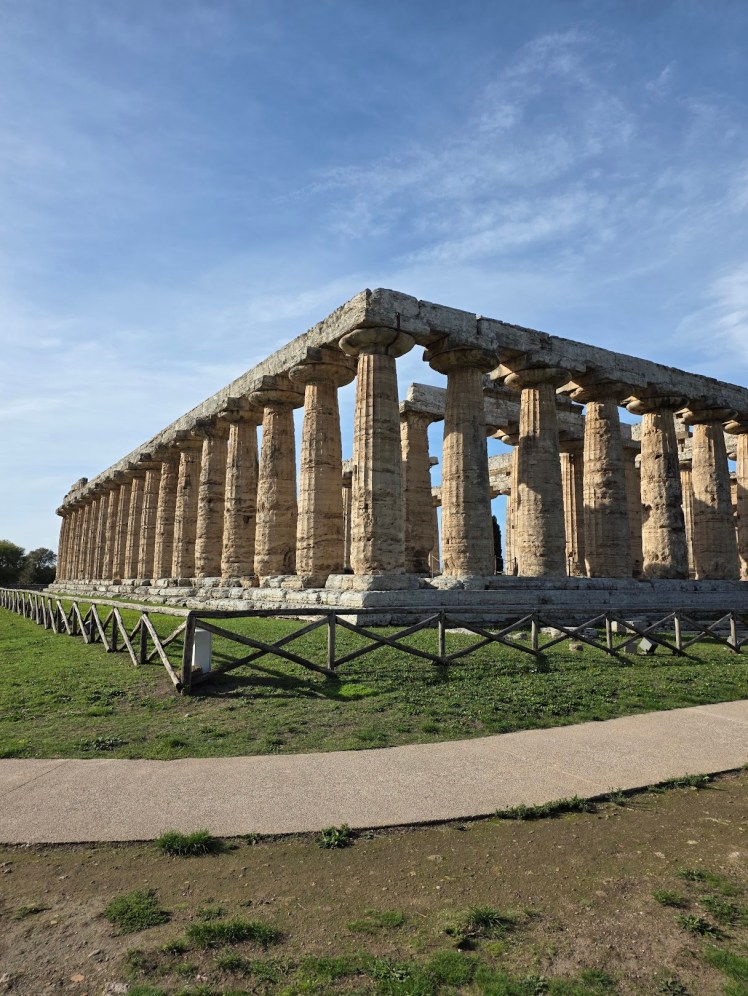
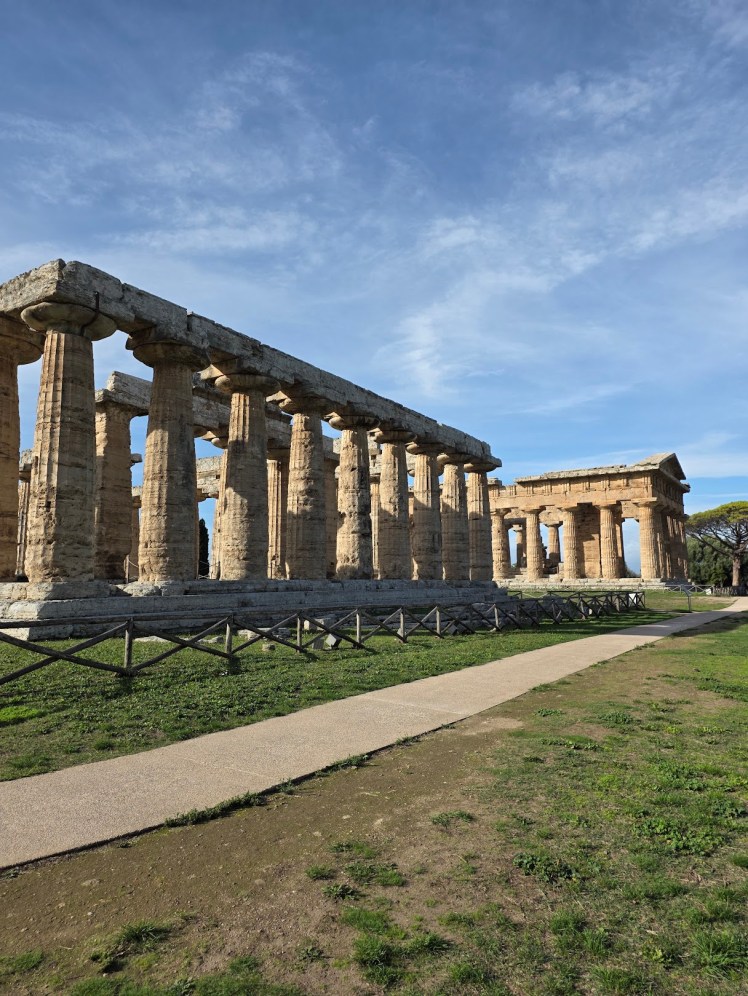
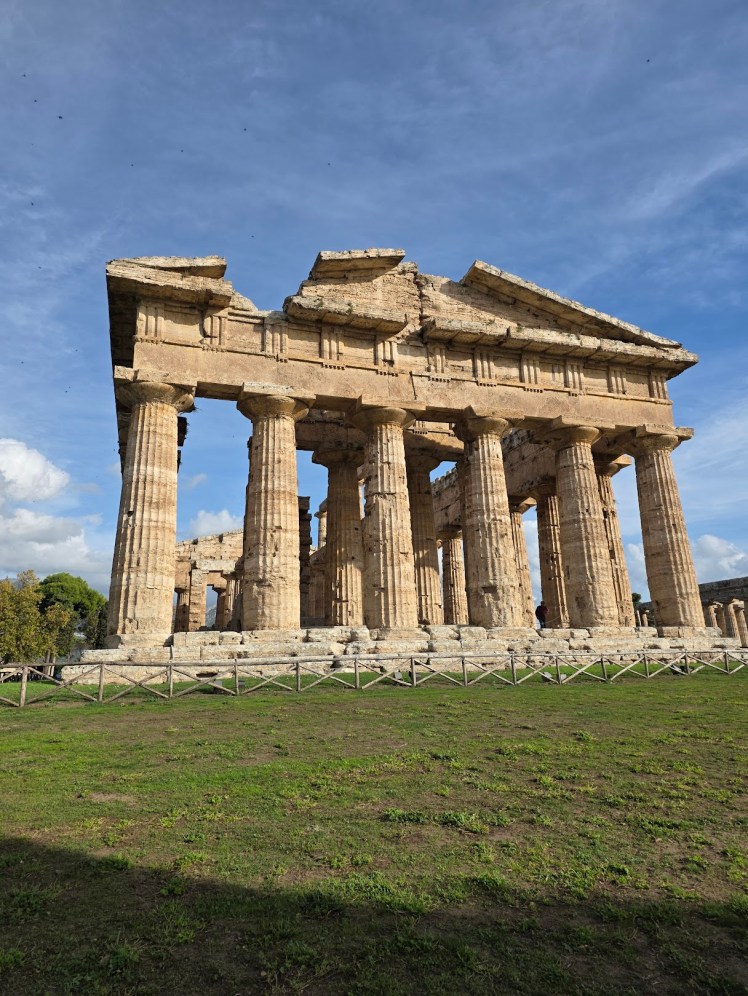
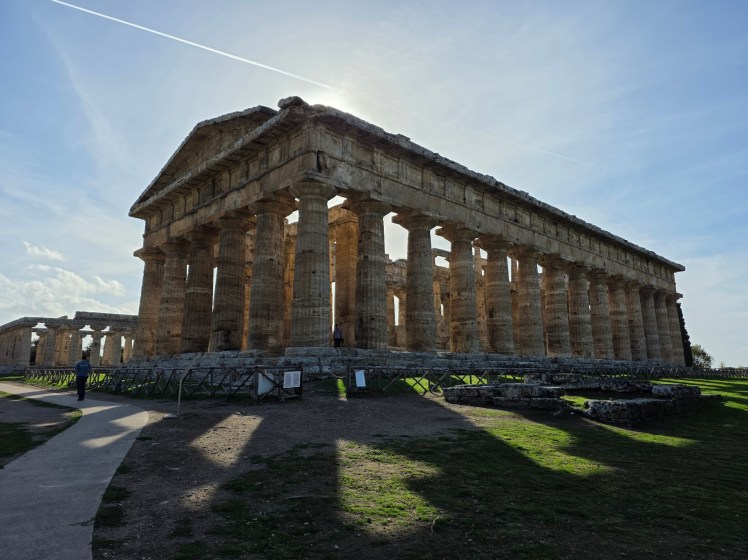
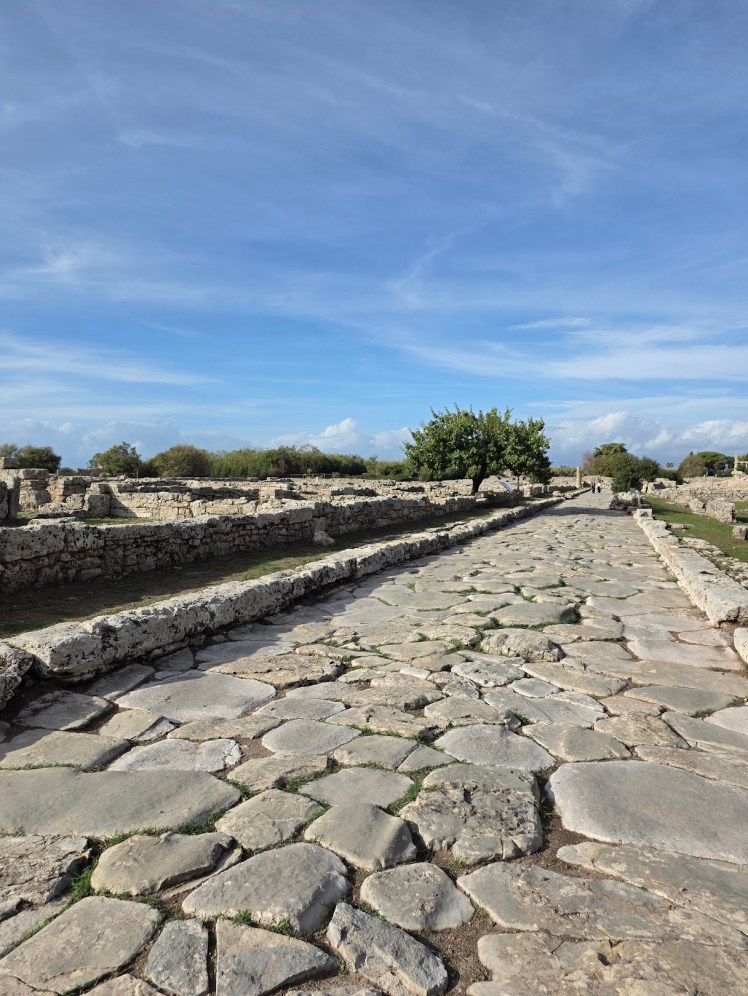
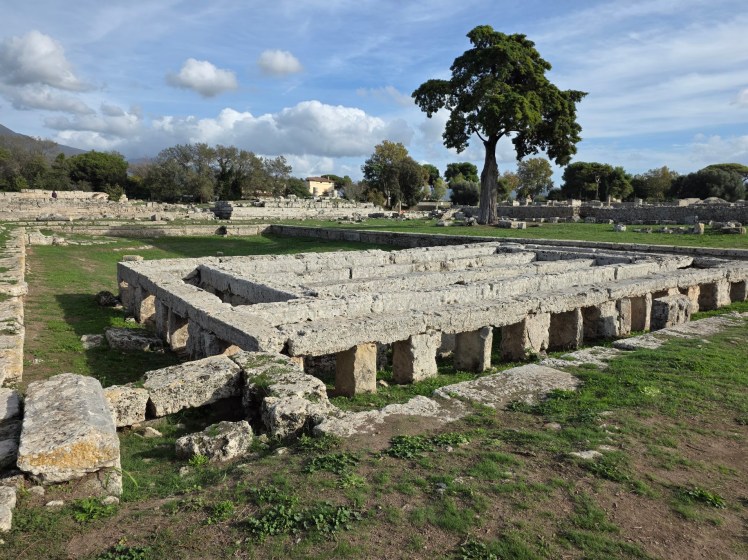
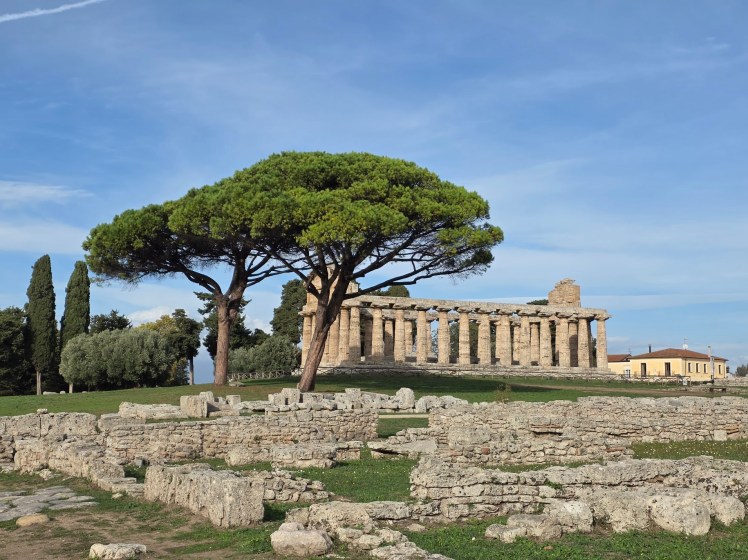
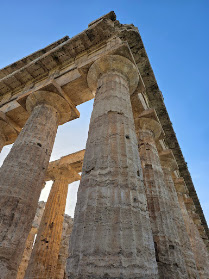
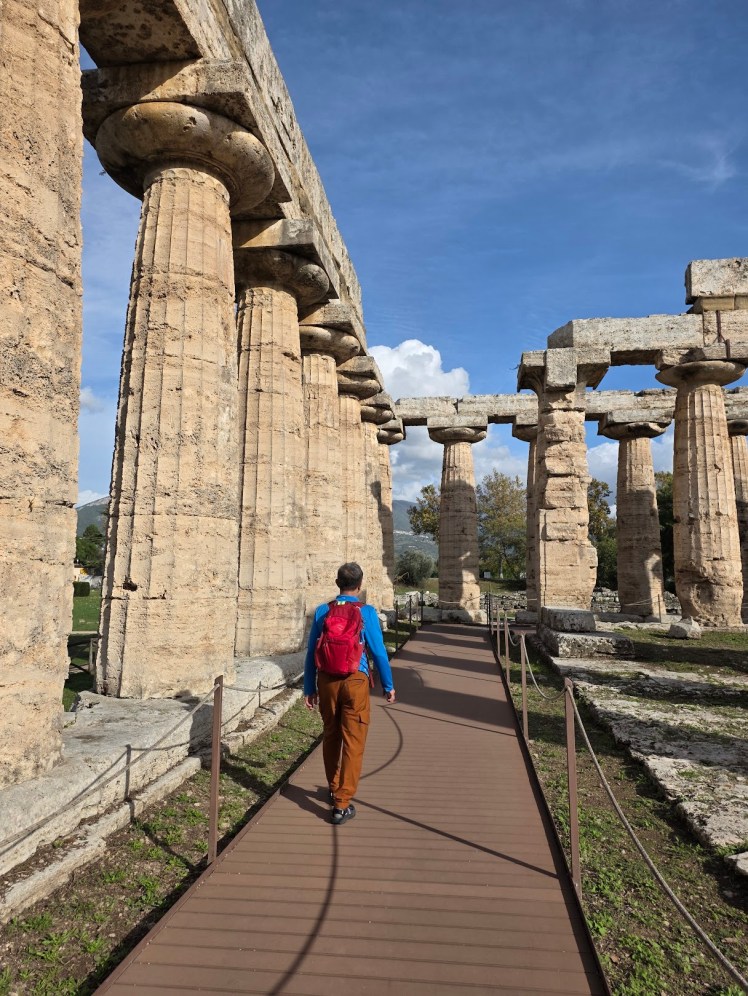
I highly recommend visiting Paestum. Located about 2 hours south of Naples, it is a fascinating look into ancient history. There are also a few buffalo dairies around the area, so you can stop and get fresh mozzarella.
Museo Archeologico Nazionale di Napoli (MANN)
The National Museum of Archeology, or MANN, contains works from Greek, Roman and Renaissance times, and especially Roman artifacts from the nearby Pompeii, Stabiae and Herculaneum sites.
Did you know?
National Geographic magazine’s August edition cover is “Death and life in the shadow of Vesuvius“. The feature discusses both Pompeii and Herculaneum, which I posted about in my first local adventure post!
When I visited Pompeii, I did the tour with an archeologist and he pointed out where items found in Pompeii were now housed in MANN, including some of the mosaics and murals that survived the eruption. So this was a must see on my Naples To Do list. And the museum did not disappoint.
Interestingly, The building itself is historical as it was originally built as a cavalry barracks in 1585. Then the “Palazzo del Real Museo” became the seat of the University of Naples from 1616 to 1777. It only became a museum during the 19th century. So the building itself is an architectural treasure.
The museum is made up of three main sections: the Farnese collection (consisting of finds from Rome and the surrounding area), the Pompeian collections (with finds from the Vesuvian area, primarily from the Bourbon collections), and the Egyptian collection, which is second in importance in Italy after that of the Egyptian Museum in Turin. These three sections, as well as the other smaller collections, are made up of private collections acquired or donated to the city
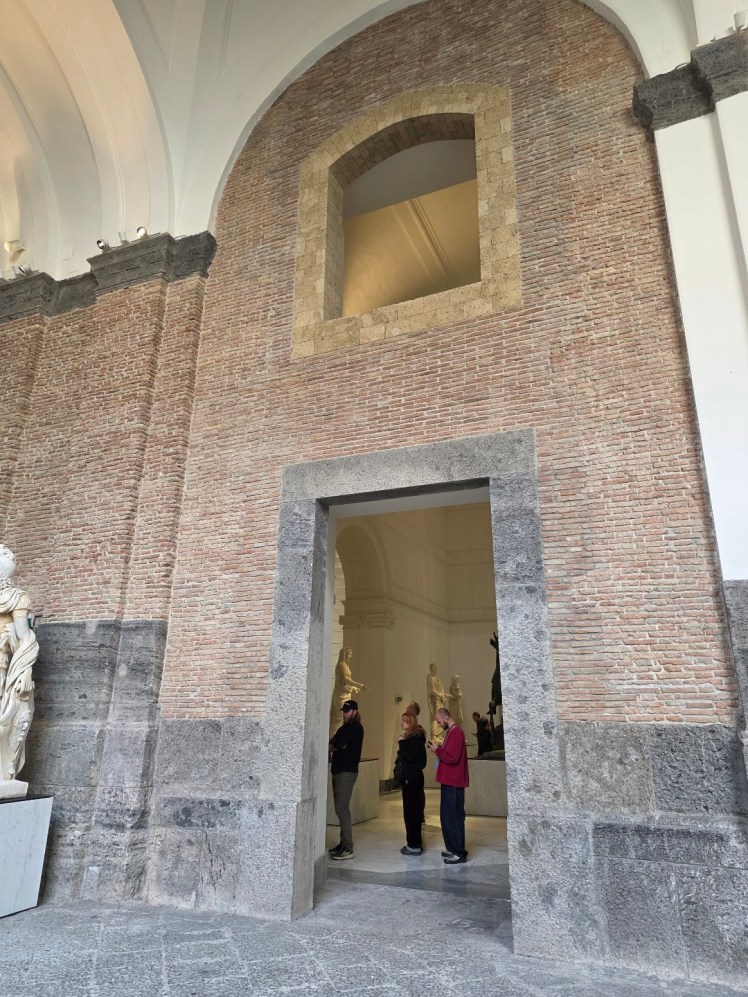
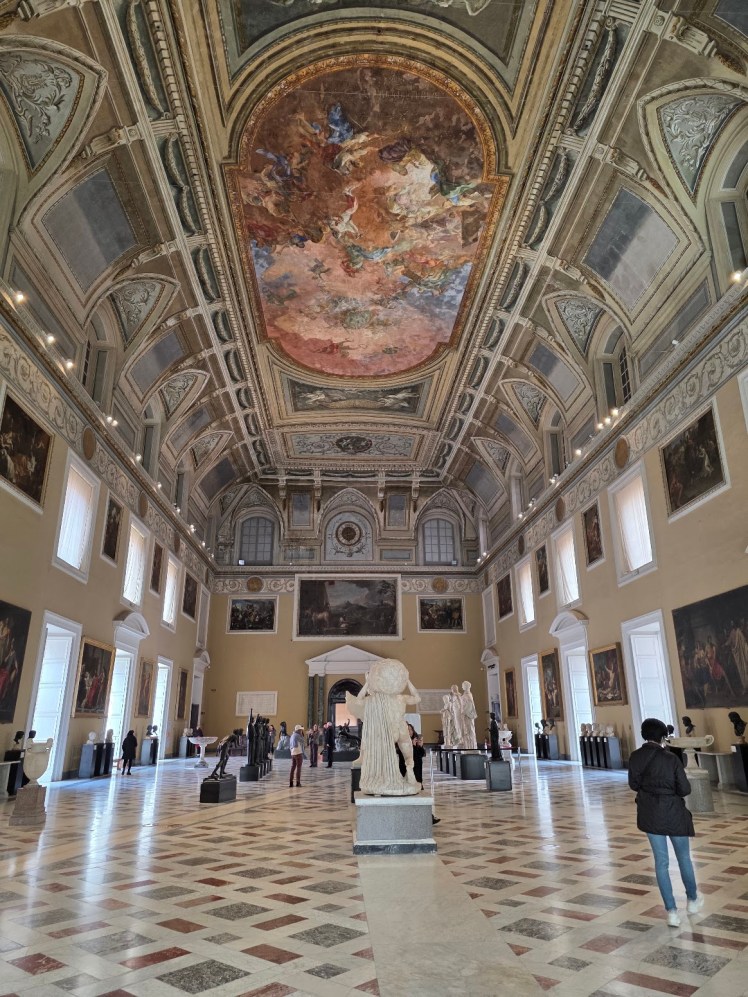
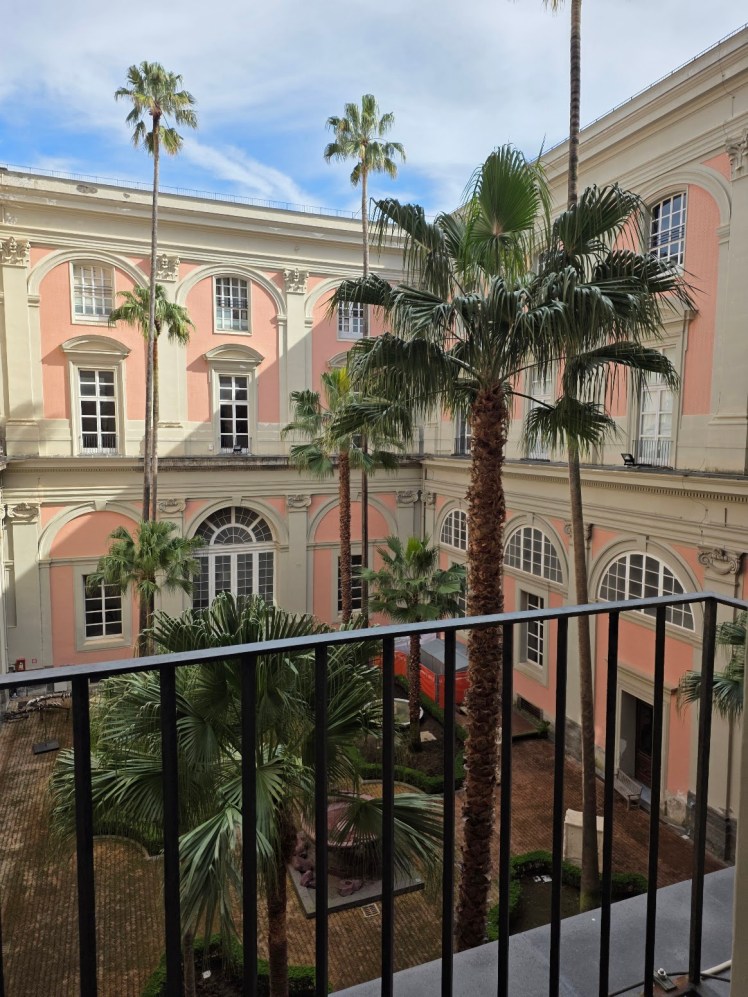
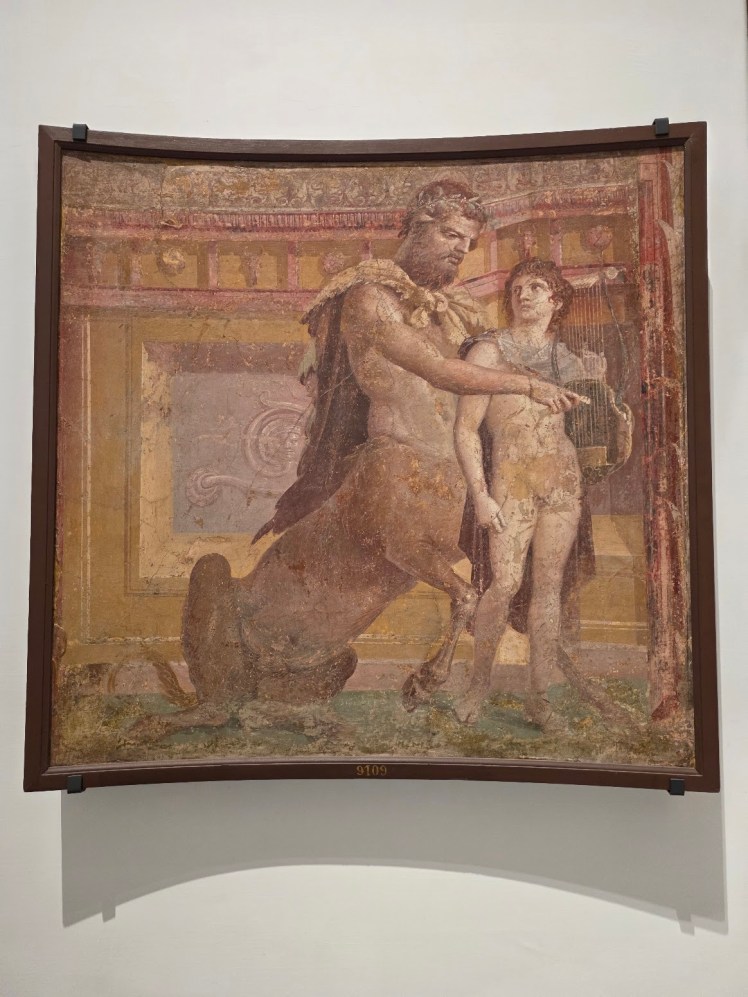
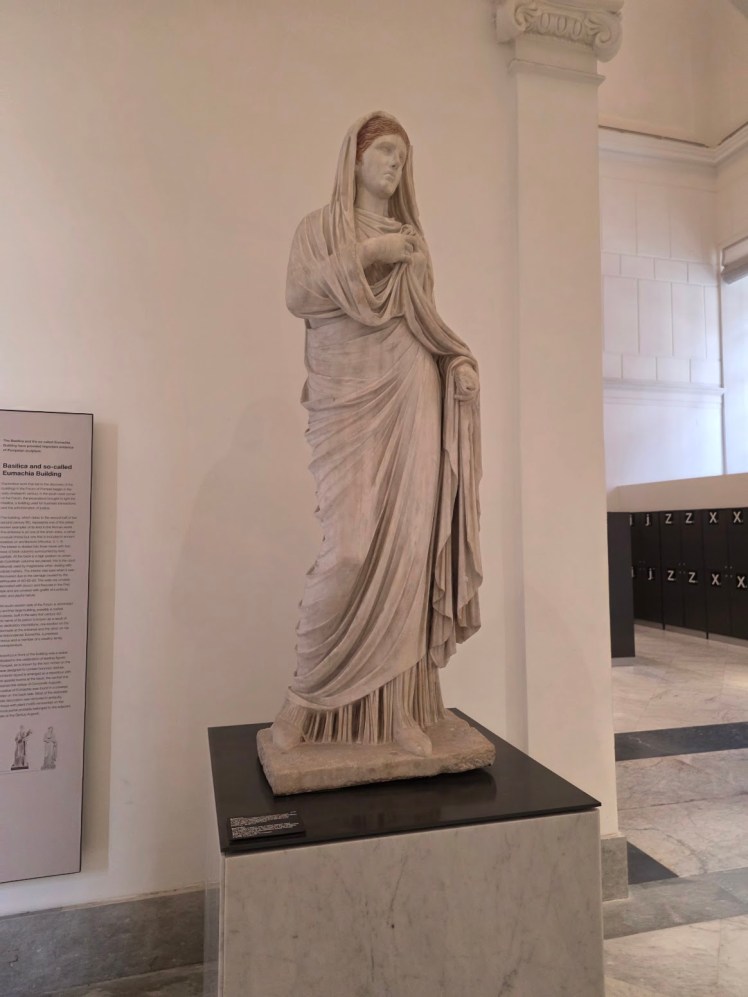
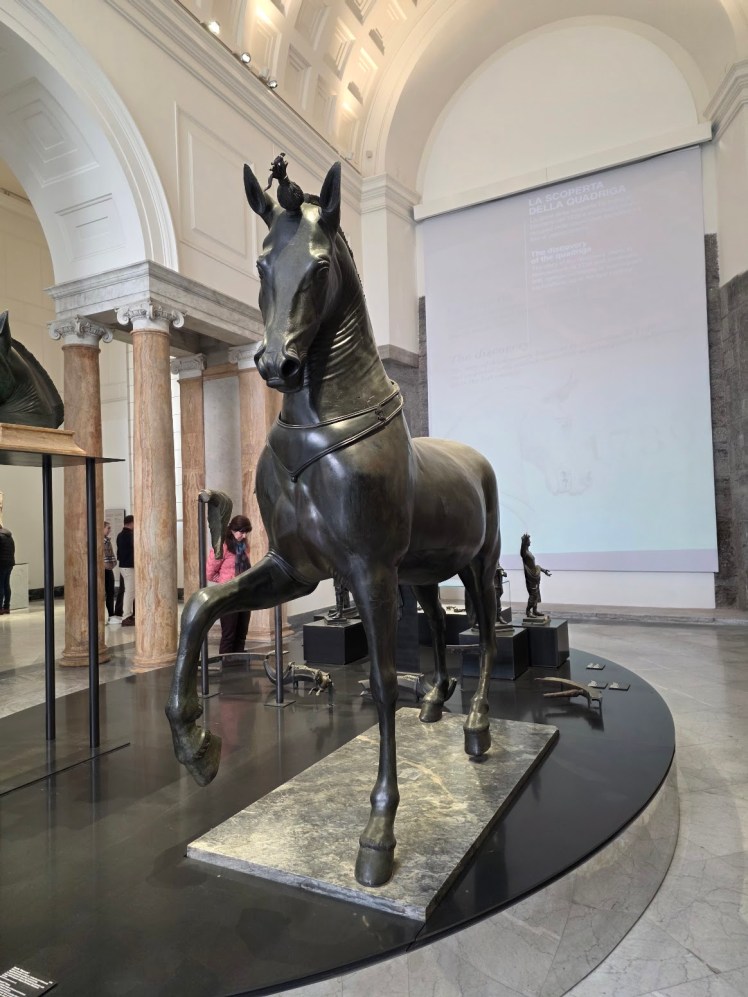
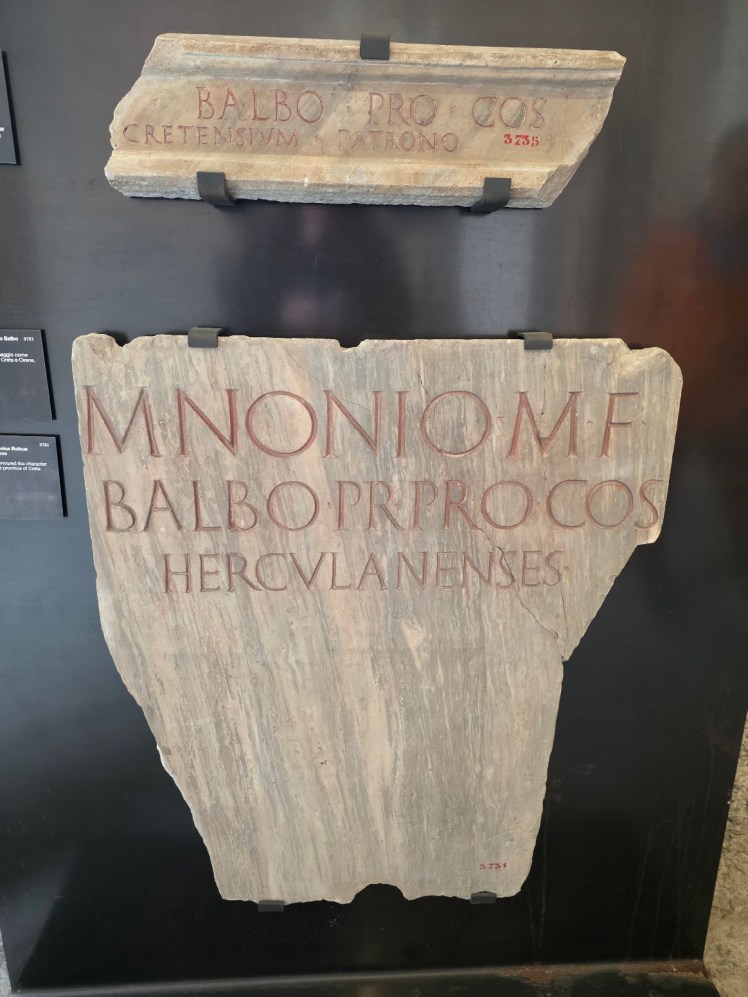
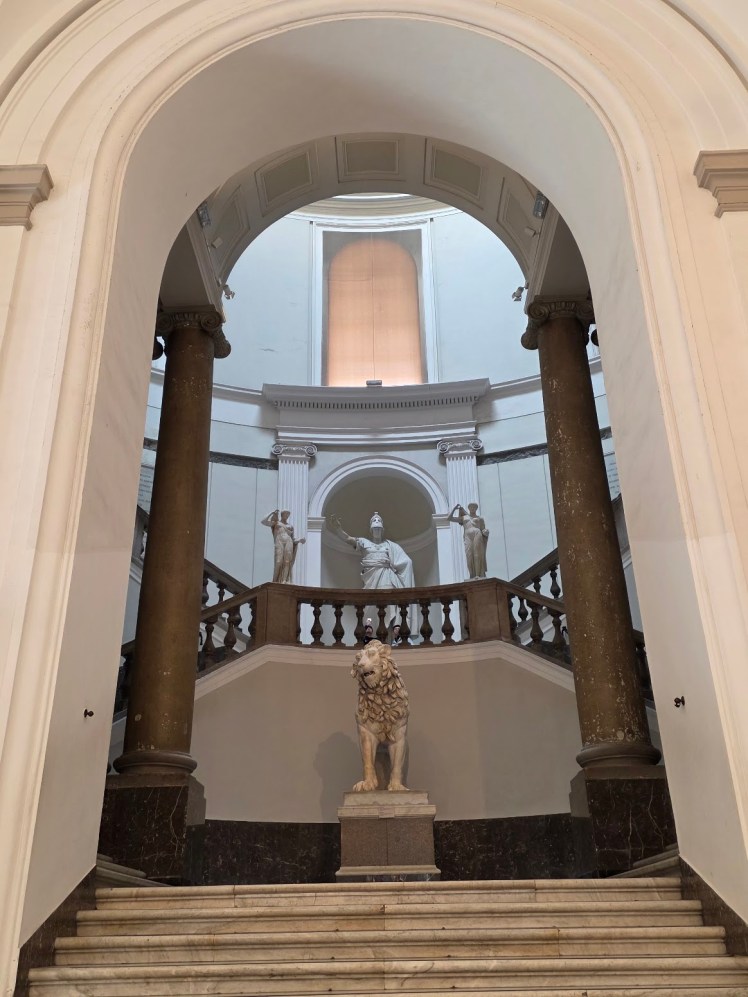
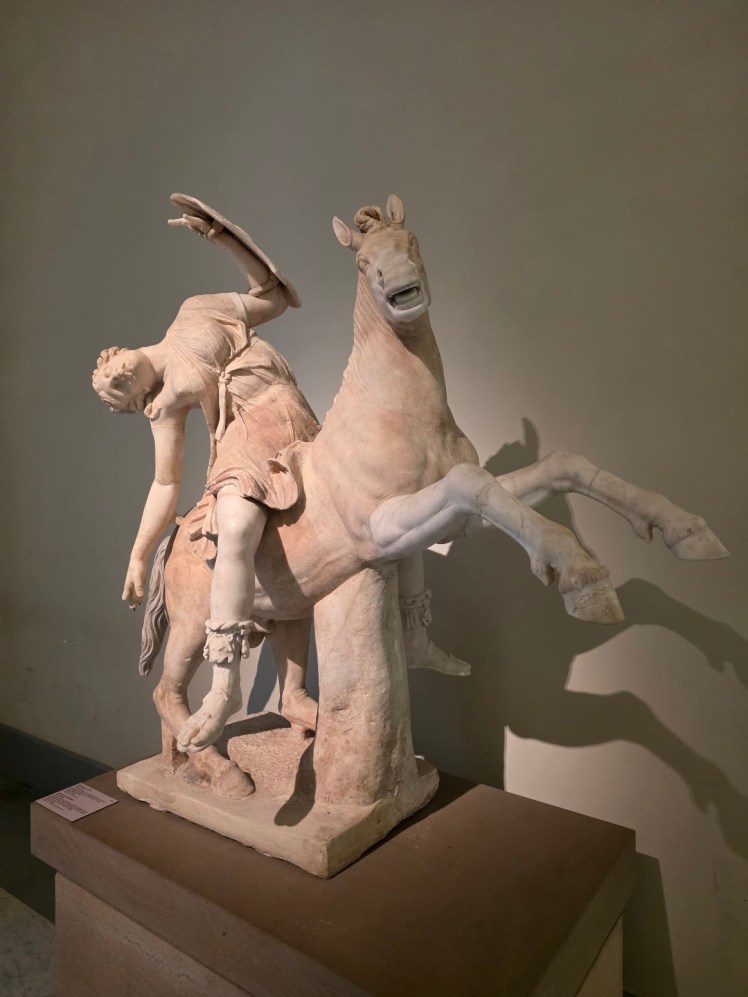
It also stands on the site of an ancient necropolis of Greek Neapolis, the necropolis of Santa Teresa. It is estimated that the pieces in storage are three times greater in quantity than those on display and that they currently occupy three levels of the building’s basement and one attic floor.
Since 2005, the Neapolis metro station has been open in the underlying “Museo” metro station. This station features a series of small rooms displaying archaeological finds discovered during metro excavations, which have also become part of the museum’s collection.
Ischia
Off the coast of Naples are several island, including Capri (probably the most well known), Prochida, and Ischia.
Capri is renowned for its luxury and stunning views. Procida is celebrated for its colorful houses and local vibe. And Ischia is the largest and famous for its thermal baths.I can see Procida and Ischia from my apartment, nearly directly across. I can see Capri if I look south and it’s a clear day.
And it was the thermal baths why I visited Ischia.
From the port of Pozzouli, the ferry takes about an hour to get to Ischia. Ischia is about 5 times the size of Capri, so there is a lot more to see and do. (It’s also cheaper than Capri.)
Did you know?
Ischia has been inhabited since the Bronze Age (3200 BCE to 600 BCE). In the 8th century BCE, it was founded as a Greek emporium known as Pithekoūsai to trade with the Etruscans of the mainland. The Romans seized Ischia (and Naples) in 322 BCE. Wars, pirates, and political struggles plagued Ischia through the centuries until the late 18th century when it became state property. Today, it is part of the Campania region (which is the region of Naples). And the clay of Ischia is believed to have been used by the ancient potteries of Cumae and Puteoli (Pozzuoli).
Because it was early May, it was still a little chilly, and so, I didn’t go to any of the beaches. I did stay at a resort with a thermal baths, which I enjoyed despite the cool air. I did a wine tour of the historic production of wine at Cenatiempo vineyards, which also included a wine tasting with some amazingly delicious antipasti.
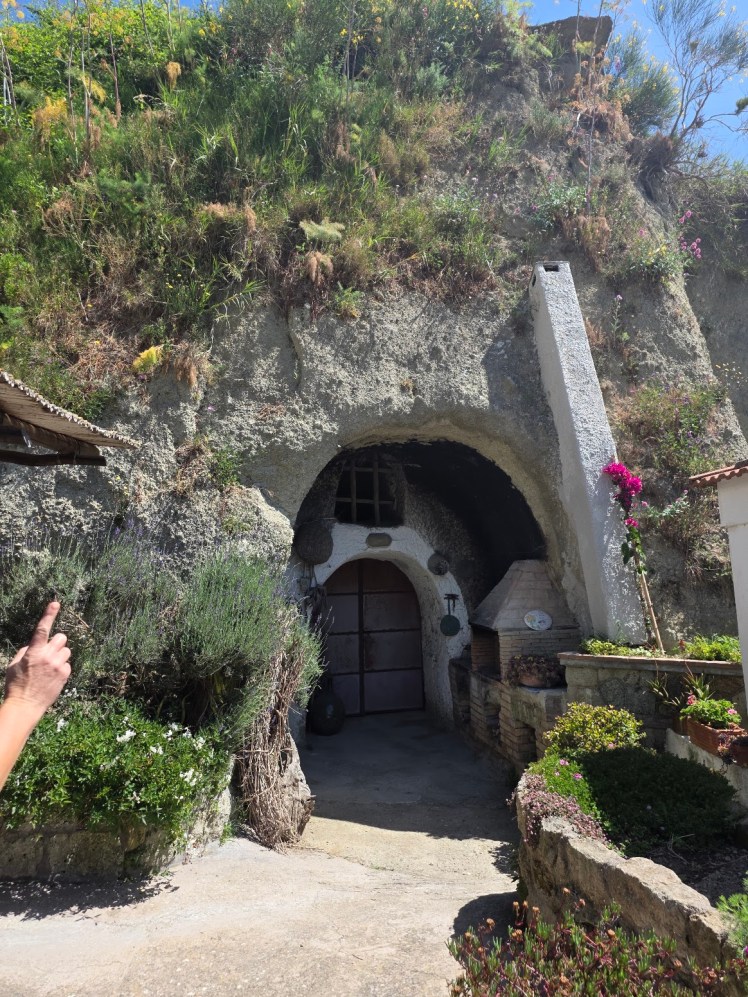
The tour was fascinating. While we toured the vineyard, the interesting part was the cave. The cave was the way they used to make wine, from the stove right outside to the room where the grapes were stomped and the wine flowed down into a lower room, to the back of the cave that stays cool and dark year round. It was an interesting peak into historical winemaking.
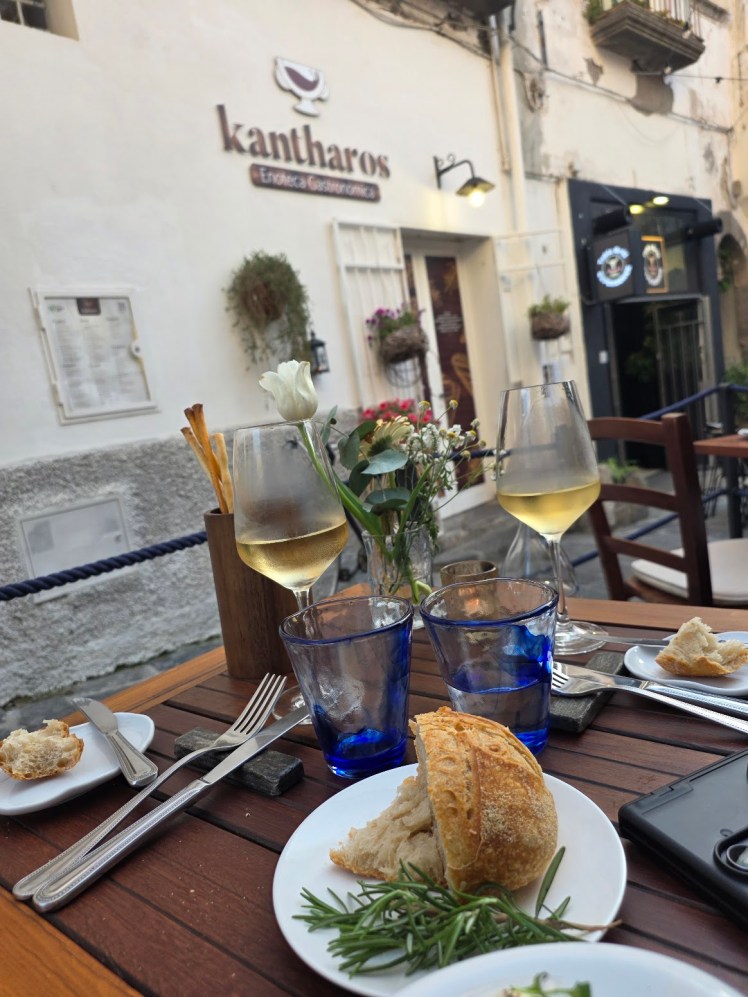
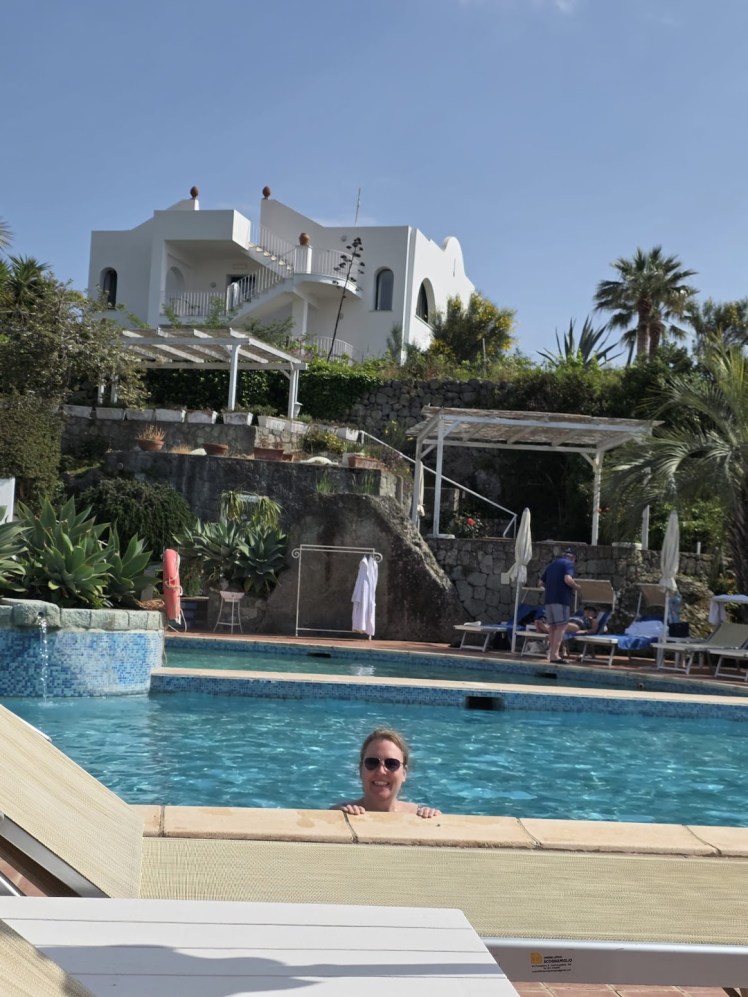
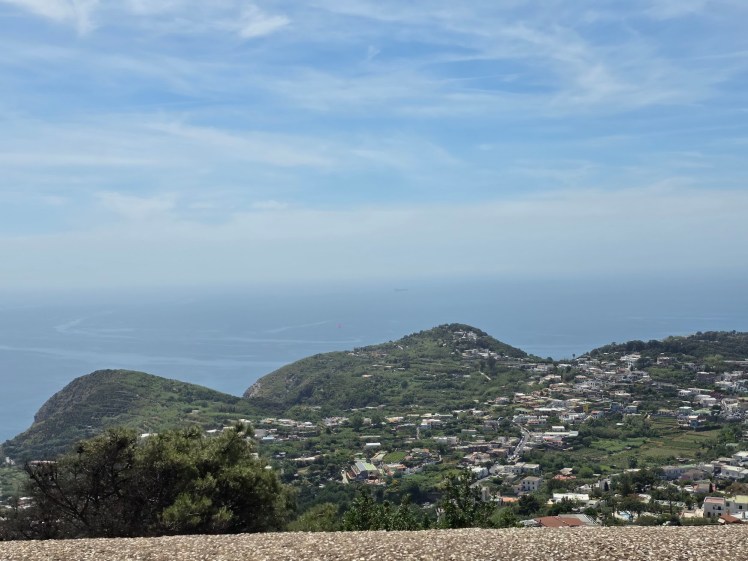
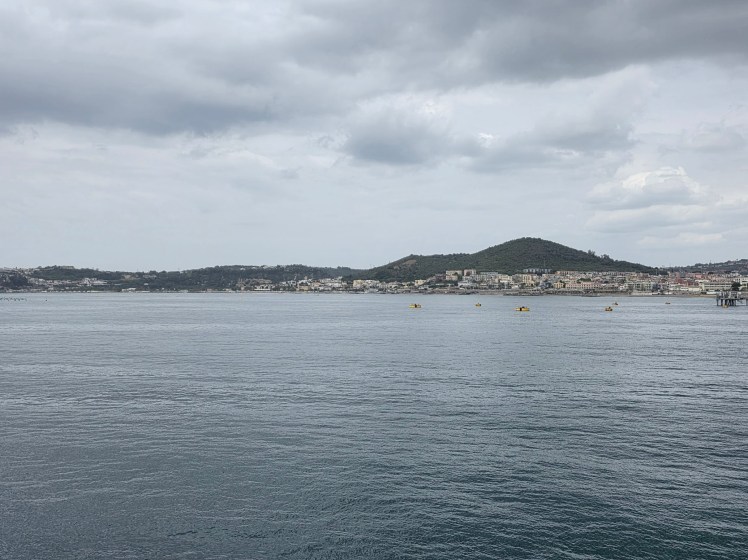
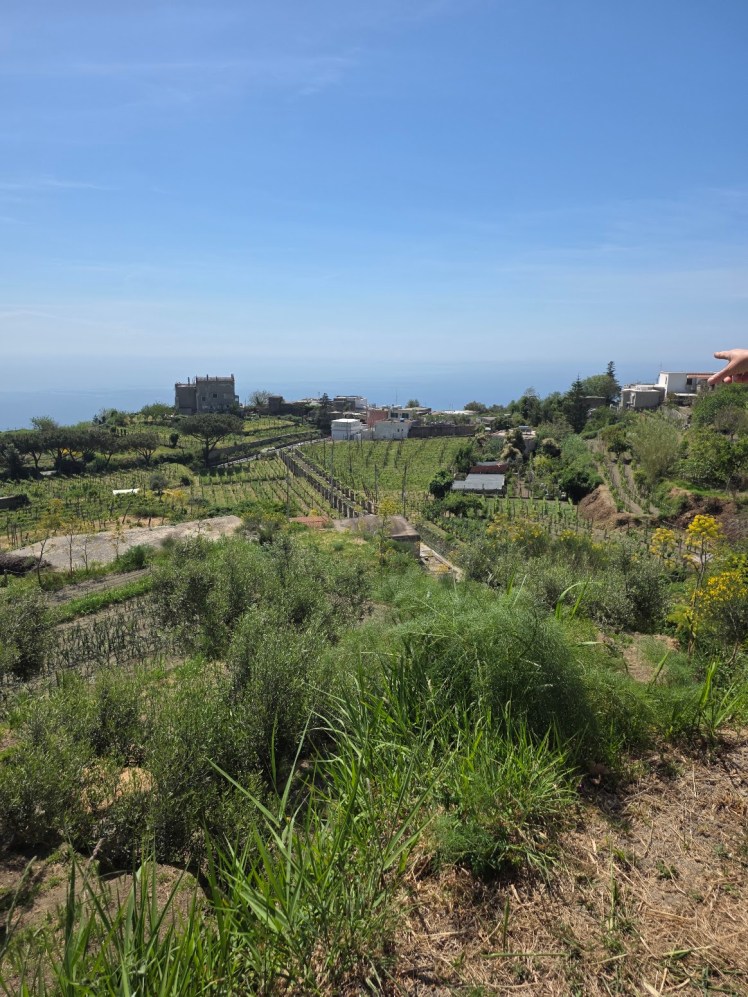
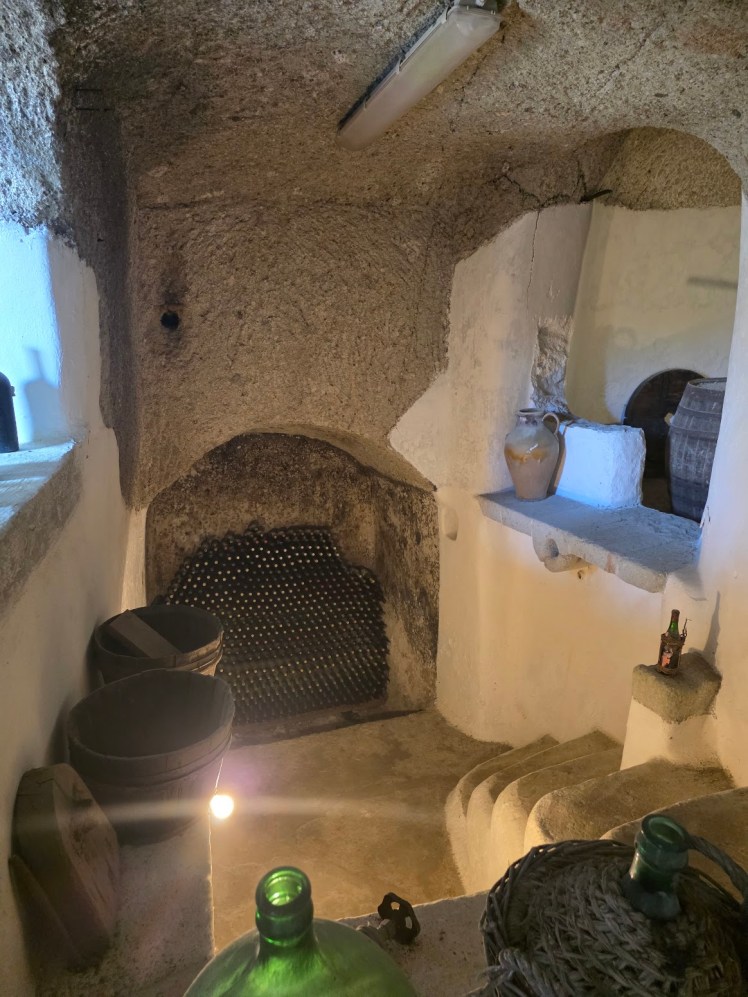
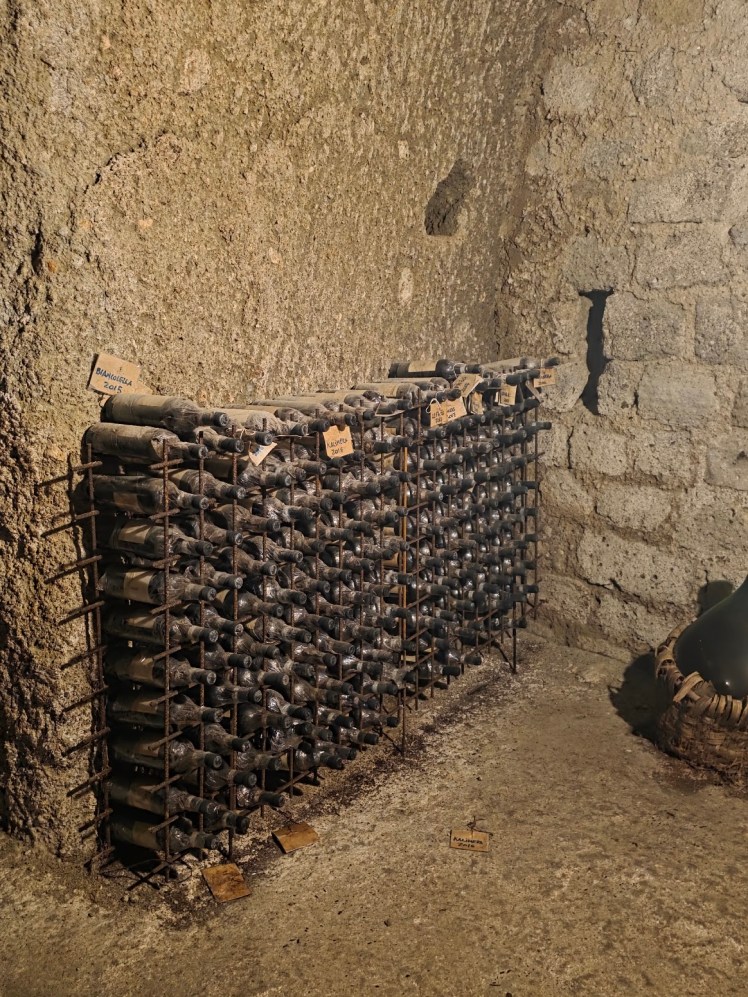
Like the rest of Italy, the food was delicious. Ischia is known for it’s coniglio all’Ischitana (rabbit stew). And many of the dishes feature fresh seafood and flavorful vegetables. But there is still more to see and do on Ischia, including the visiting the Aragonese Castle, going to one of the many beaches, and taking a boat tour to snorkel and swim in some of the gorgeous blue water coves.
There are many more local adventures to go, so stayed tuned for more!
All content, including photos, © 2026 L. Long/wanderinglynn.com. All Rights Reserved. No part of this website or its contents may be reproduced, copied, modified, adapted, or used to train AI without prior written consent of the owner.
Any links are merely for reference and/or your convenience.

