I visited County Clare in May. I spent a lovely week on Ireland’s west coast, the Wild Atlantic Way.
A Little History
(Not interested in History? Skip to the next section or even to my final thoughts.)
The island of Ireland is divided between the Republic of Ireland, a sovereign state covering five-sixths of the island, and Northern Ireland, which is part of the United Kingdom.
Skipping the what they call “prehistory” (which is a weird term) and starting with the Roman Empire (because Italia!). While it is unknown what the relationship was with Ireland, known by the Romans as Hibernia, Ptolemy recorded 16 nations inhabiting every part of Ireland in 100 AD. There have been Roman coins found at the Iron Age settlement of Freestone Hill, as well as other locations. So, it is a good guess to say the Romans were in Ireland or at least had emissaries, likely priests, visit Ireland.
Moving onto medieval times, the Celts migrated, or possibly invaded Ireland starting around 6th century BCE, bringing their Celtic culture, language and artefacts. Despite their migration, Ireland continued as a patchwork of rival kingdoms until the beginning of the 7th century when a concept of national kingship gradually became the concept of a High King of Ireland likely sometime in the 8th century.
From the 9th century, waves of Viking raiders plundered Ireland, although these raids simply added to a pattern of raiding and endemic warfare that was already deep-seated in Ireland. The Vikings were involved in establishing most of the major coastal settlements in Ireland, including Dublin, Limerick, Cork, Wexford, and Waterford, all of which have had their millennium celebration.
During this medieval period, there were invasions and the English began their control over Ireland with the Anglo-Norman invasion in 1169, and full conquest was completed by the 17th century after the Tudor conquest. And on 1 January 1801, Ireland merged with the Kingdom of Great Britain to create the United Kingdom of Great Britain and Ireland.
The 19th century saw the rise of modern Irish nationalism, and in the late 19th century, the majority of people living in Ireland wanted the British government to grant some form of self-rule to Ireland. This led to the Anglo-Irish War in the early 20th century and three iterations of the Irish Home Rule Bill. The fourth and final Home Rule Bill, the Government of Ireland Act 1920, partitioned the island into Northern Ireland (the six northeastern counties) and Southern Ireland (the rest of the island). In 1922, Southern Ireland initially formed as a Dominion called the Irish Free State. Then the Republic of Ireland became a fully independent nation state following the passage of the Statute of Westminster in 1931.
There is some interesting Northern Ireland history throughout the 20th century, but I’ll skip that for now since I haven’t been to Northern Ireland yet.
Ireland joined the European Union in 1973 and was one of the first countries to adopt the euro. But Ireland is not in the Schengen Area. The Schengen covers 29 European countries (like Italy) that have officially abolished border controls at their common borders. In other words, you don’t have to go through immigration if you travel from one Schengen country to another. Sadly, Ireland, while an EU member, has remained outside Schengen, instead continuing with the Common Travel Area (CTA). The CTA is a longstanding arrangement between the Republic of Ireland and the United Kingdom, dating back to the 1920s, which allows movement for people and goods across the islands with a coordinated but distinct set of border controls.
What this all means is I had to go through immigration. Not a huge burden but not as easy as going to one of the 29 Schengen countries.
Visiting County Clare
County Clare is in the province of Munster in the Southern part of Ireland, bordered on the west by the Atlantic Ocean, County Limerick to the south, County Tipperary to the east, and County Galway to the north.
Since this was my second time to Ireland, I knew where I wanted to go and do. I flew into Shannon, County Clare and rented a car to start my adventure.
Note: Ireland drives on the left side of the road, and so the driver’s side of the car is on the right (or the passenger side for Americans). Since I lived in Japan for two years, I was comfortable driving, but that is something to consider. Luckily, the rental car companies in Ireland accept American drivers licenses, so no need for an international driving permit.
County Clare is part of the Wild Atlantic Way—a tourism trail on the west coast. Stretching 2,500 km (1,553 mile), the driving route passes through nine counties and three provinces, stretching from County Donegal’s Inishowen Peninsula to Kinsale, County Cork, in Munster, on the Celtic Sea coast. Launched in 2014, the Wild Atlantic Way has 157 discovery points, 1,000 attractions and more than 2,500 activities.
And I was only on the County Clare part of the route. So much more to explore!
The one downside is because the route was developed for tourism, there are soooo many buses. Luckily, May is still early enough that the tour buses weren’t horrific. But there were enough, especially considering how narrow many of the roads are. I went down some roads that, like Italy, don’t seem to be two-way roads but they are! Driving in Europe is not for the faint of heart, especially when also driving on the other side of the road!
The Burren
I stayed in Burren Court Lodge, about 8 km (5 mi) from the village of Ballyvaughn. And with true Irish hospitality, Susan, the manager, warmly welcomed me and provided loads of information about the local area, including restaurants recommendations. Then she gave me a lift into town on my first night, so I could have a pint. This was a lovely spot to stay, quietly surrounded by nature in the heart of the Burren.
The Burren (Irish Boirinn meaning “rocky district”) is a the limestone landscape centered in County Clare and measuring around 360 square kilometers (138.9 sqmi). The area is basically a huge rocky pavement dotted with rock formations, caves and fossils, as well as an incredible array of flowers. Burren National Park covers 2–3% of the Burren and is the smallest of Ireland’s eight National Parks.
I only had two main activities planned. The rest of the time I just drove around, stopped at places that seemed interesting, and did some great hiking around the Burren.
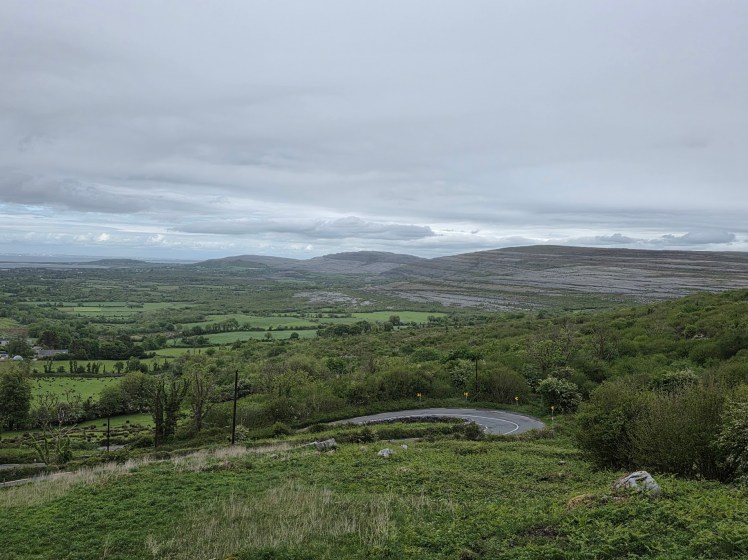
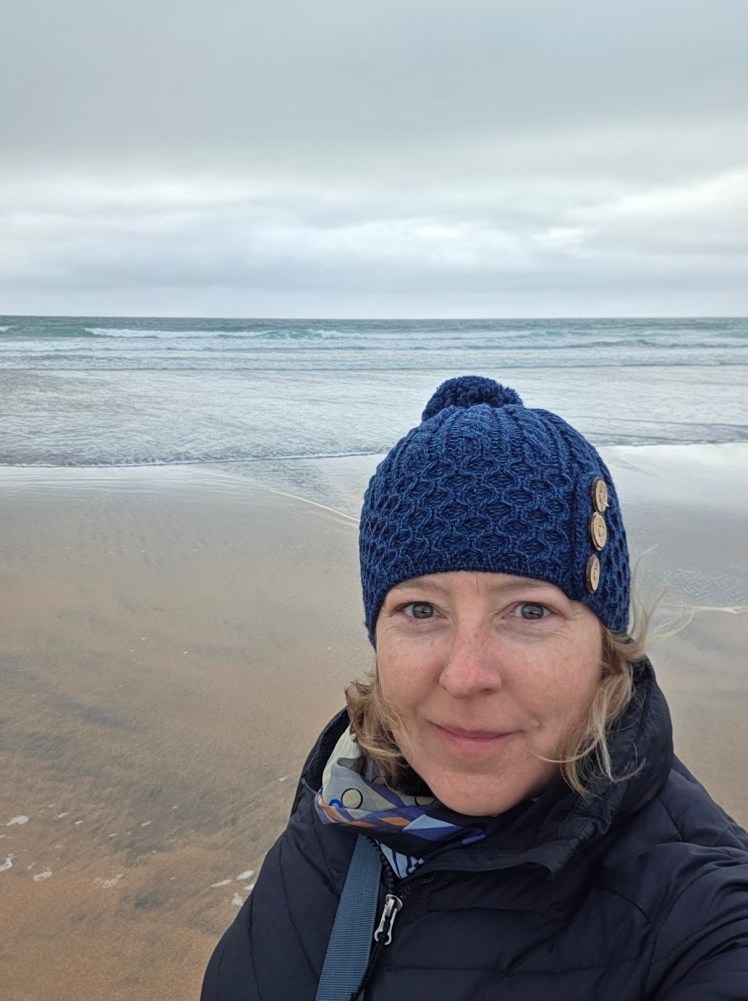
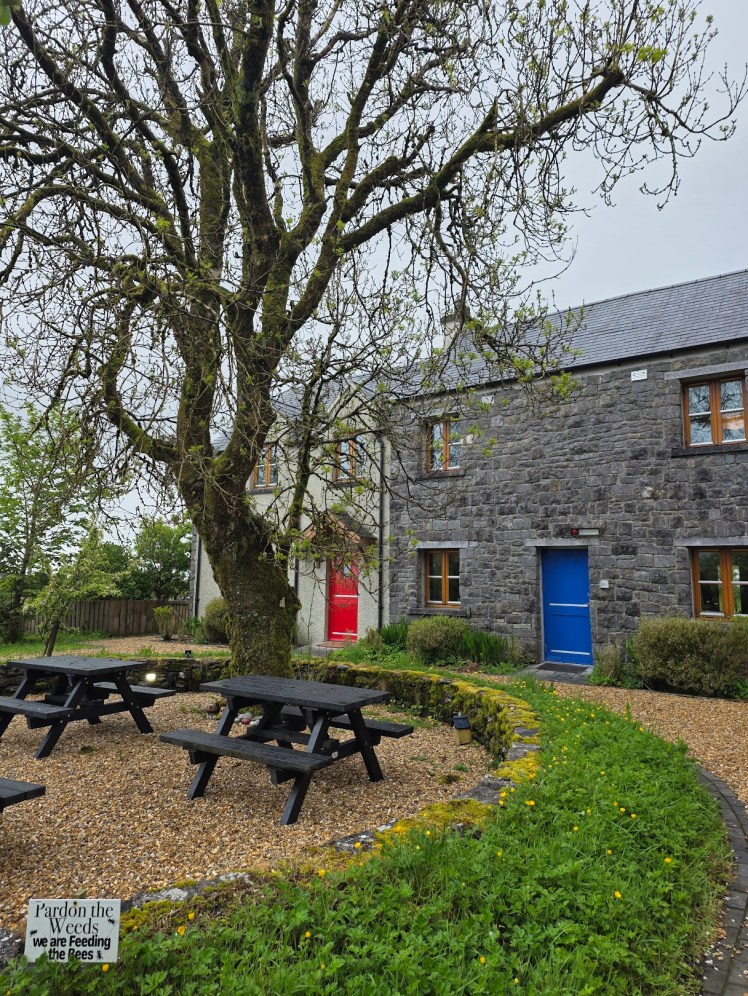
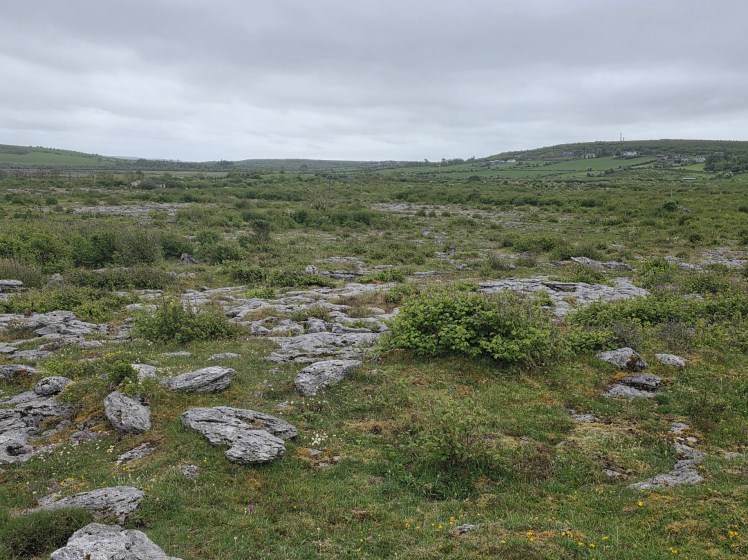
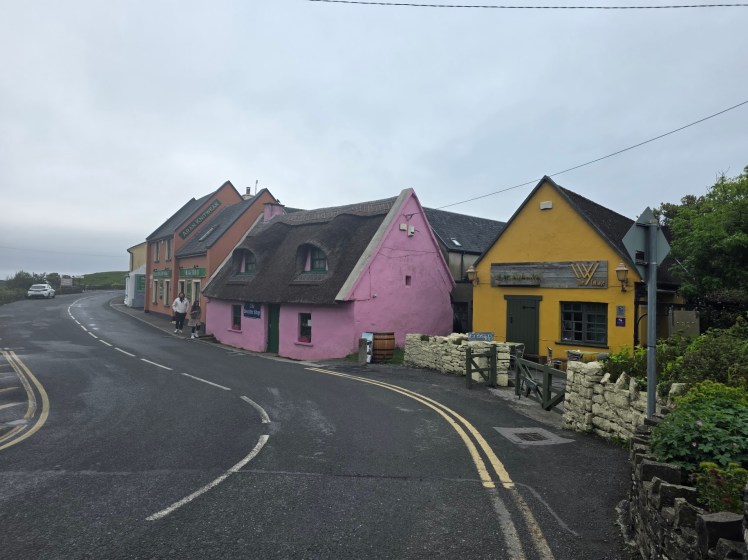
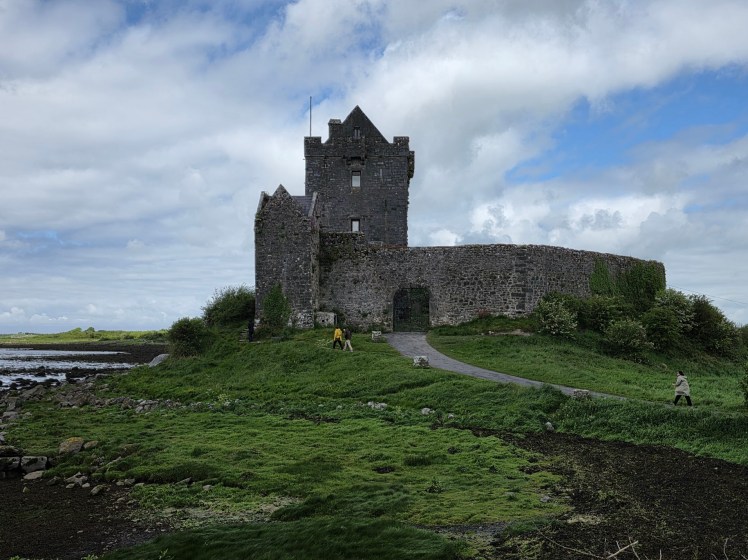
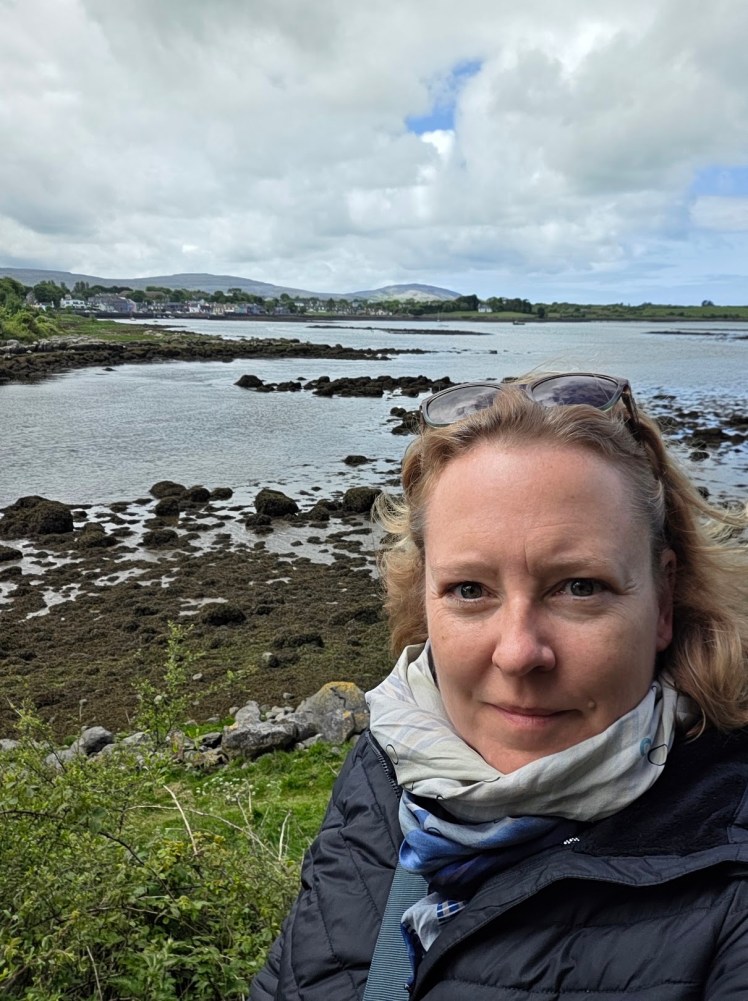
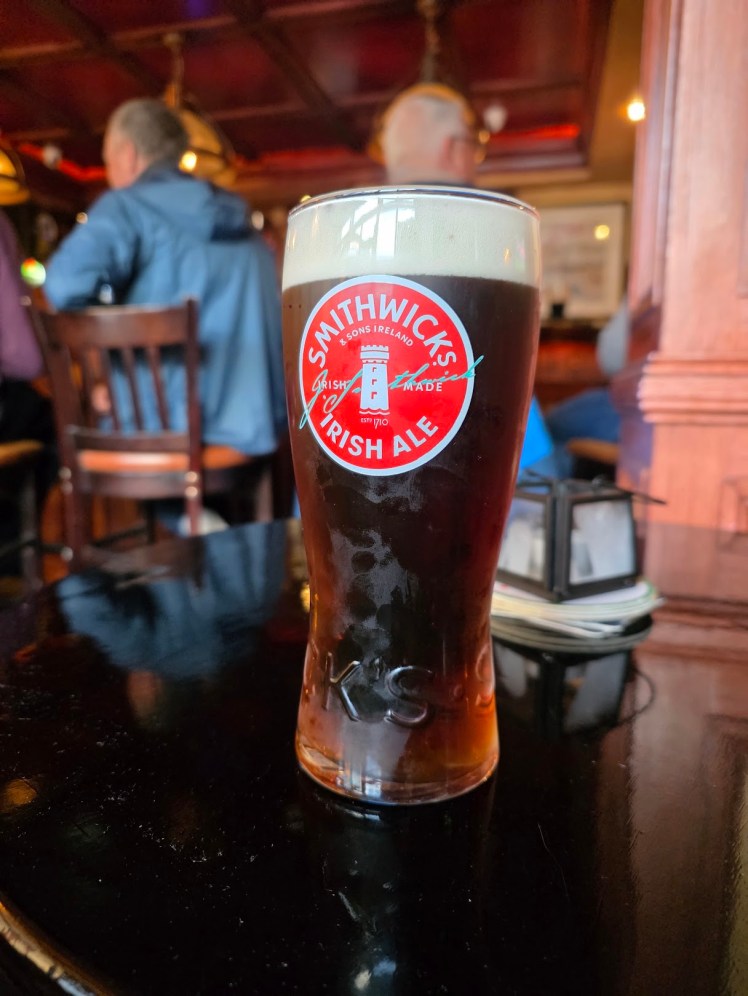
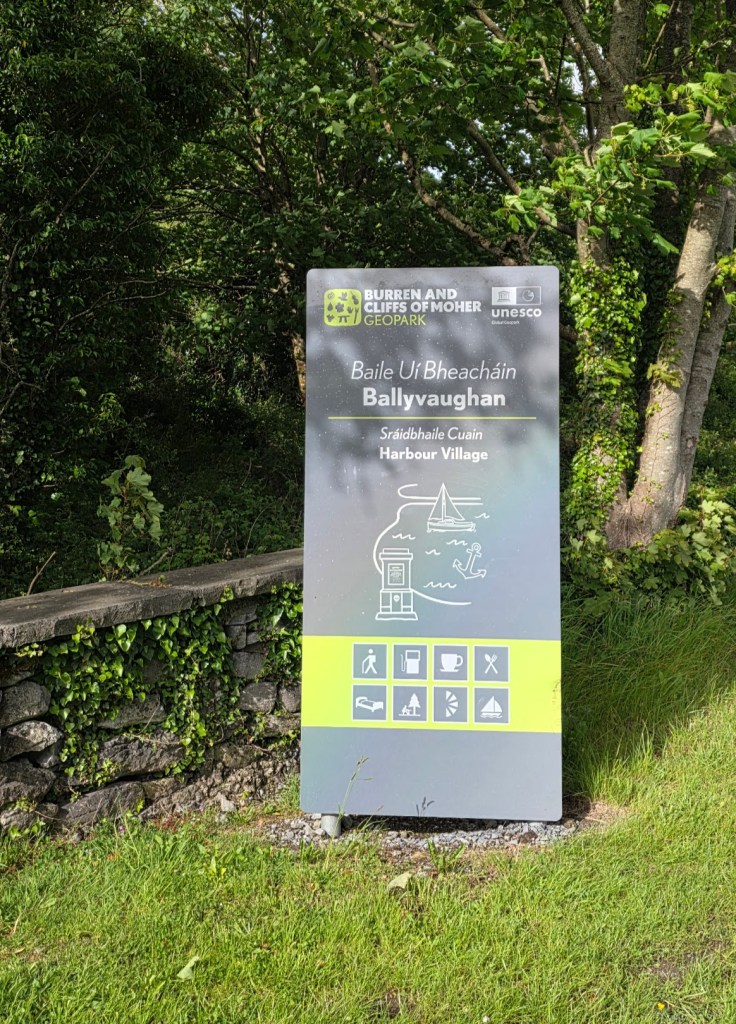
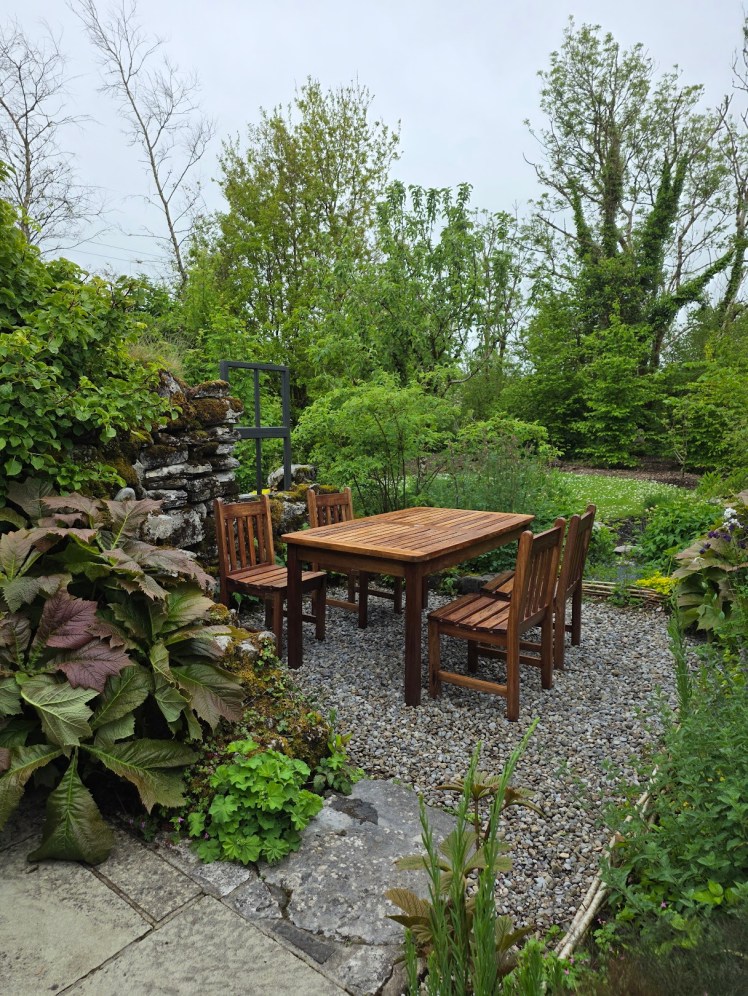
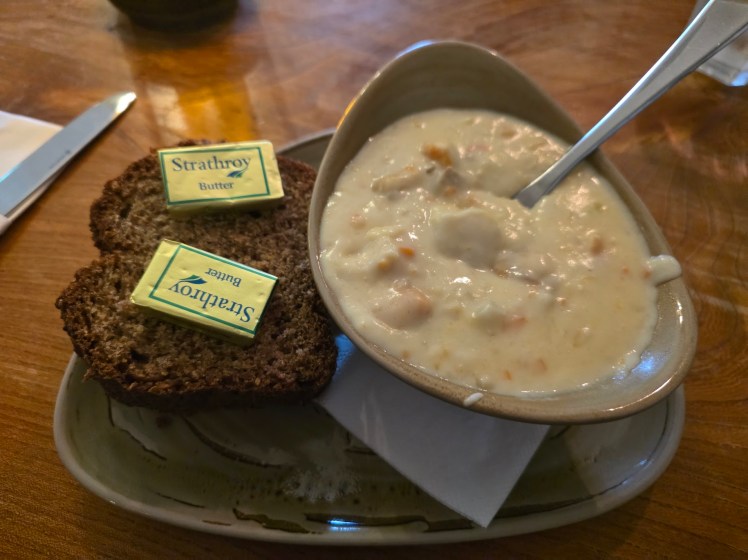
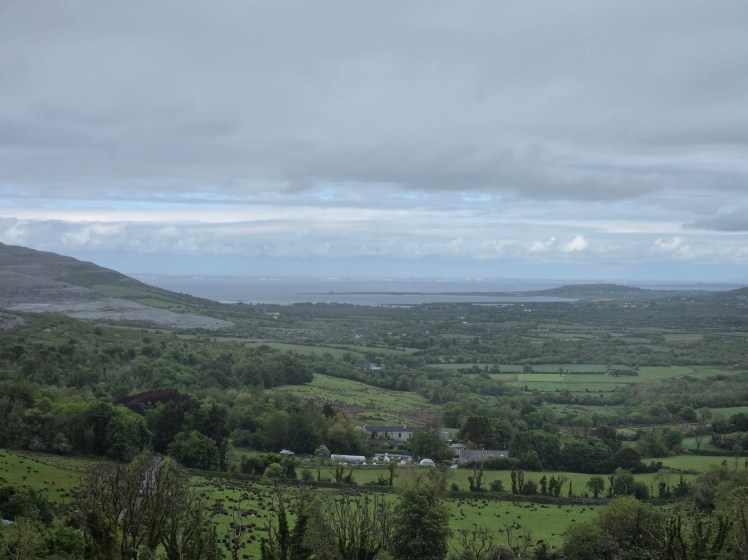
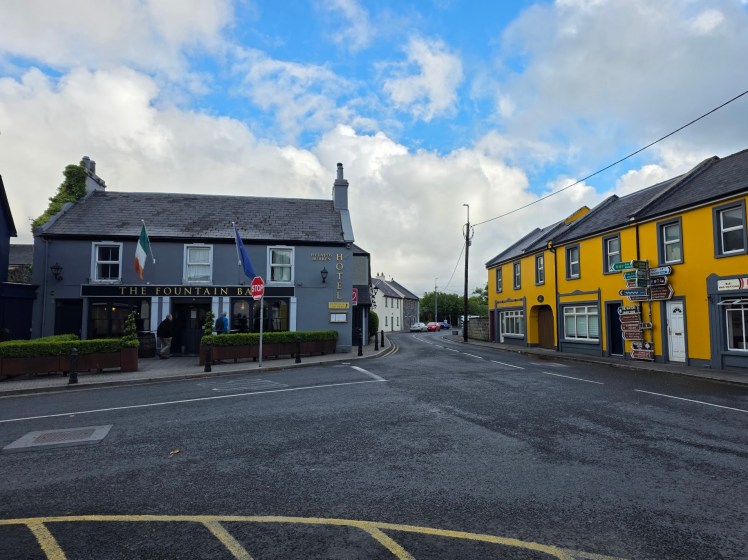
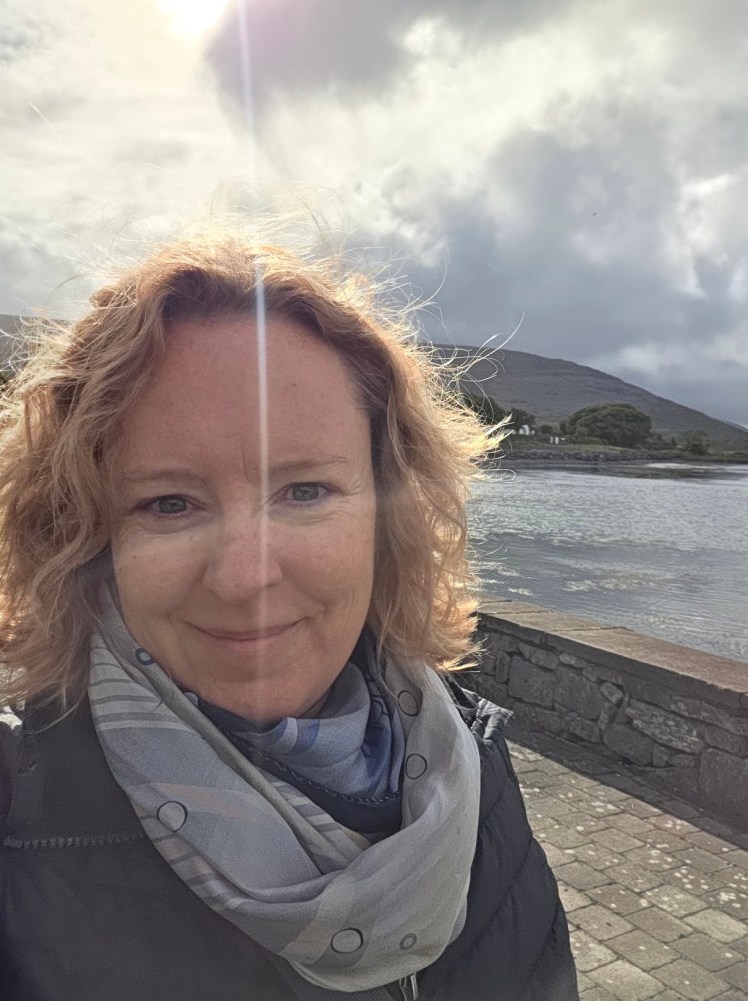
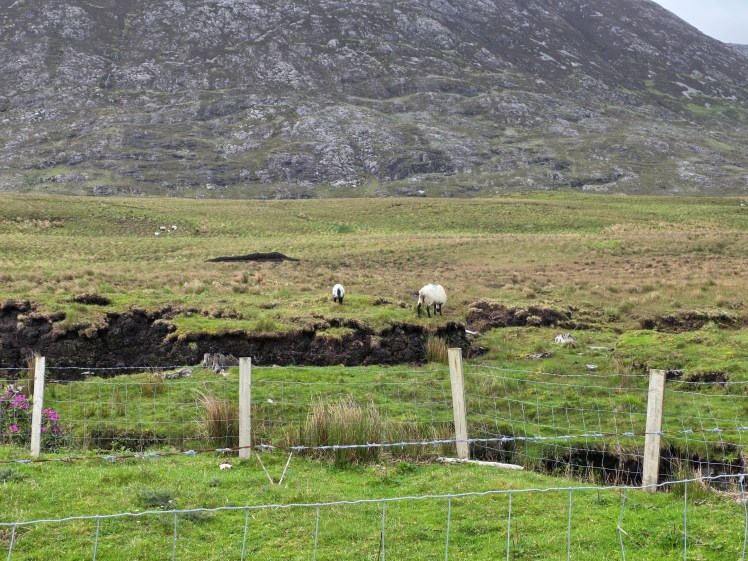
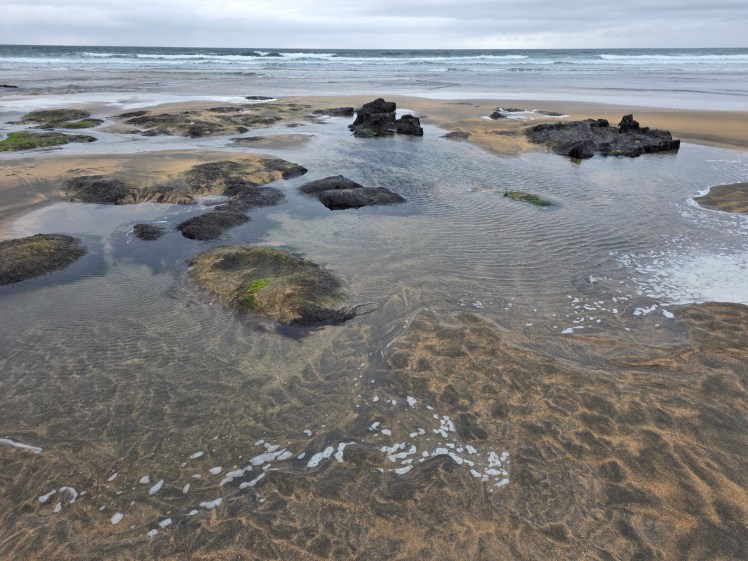
One of the places I found by following signs was The Burren Perfumery. The place was super neat with gardens, a blending room, and a tea room. I bought some wonderful smelling soaps and had a lovely cup of tea. Also by following signs, I found Hazel Mountain Chocolate. Not did I get some absolutely delicious chocolates, there a fantastic view from the shop. I also had a cup of tea here too. In addition to all the tea I drank, I ate delicious fish and chips, seafood chowder, goat cheese crostini, and homemade fish cakes.
My two main planned activities were to visit Kylemore Abbey and go to the Aran Islands with a Cliffs of Moher side trip.
Kylemore Abbey
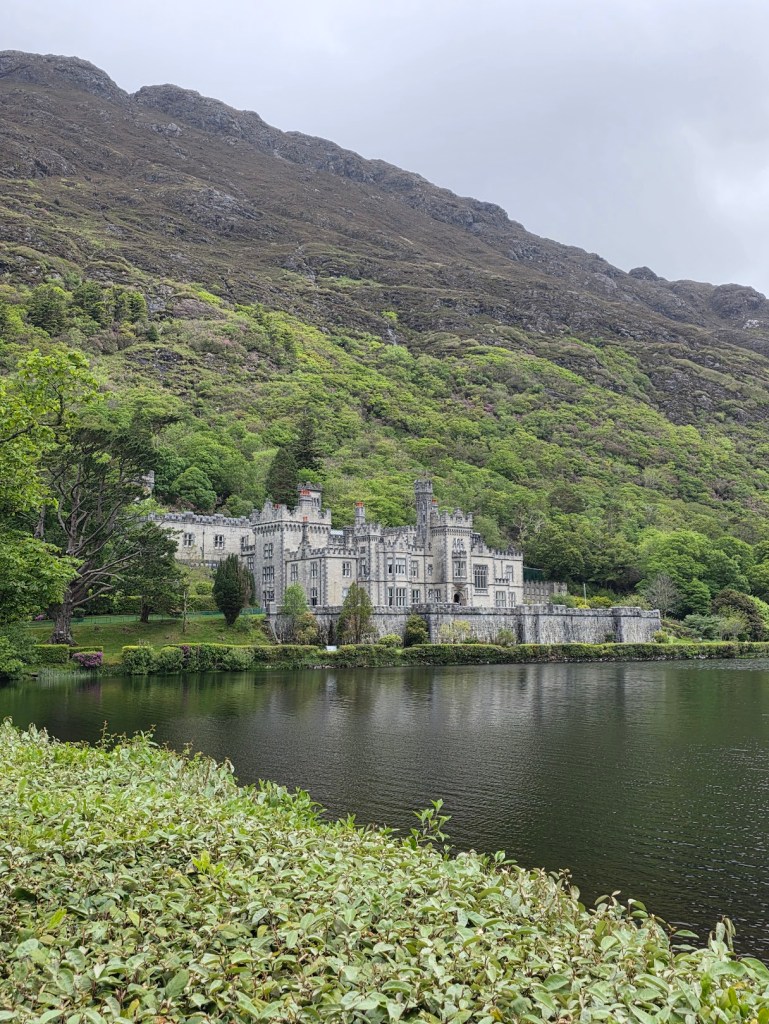
Kylemore Abbey is located in Connemara, County Galway. This was my one stop outside of County Clare. It is about a two hour drive from Ballyvaugh, about one and a half hours north of Galway.
Originally Kylemore Castle, was built in 1868 as a private home for the Henrys, an English family, after they traveled there on their honeymoon in the mid-1840s. The castle covered approximately 3,700 m2 (40,000 sqft) and had over seventy rooms. Sadly, the wife Margaret died in 1874, having contracted a fever on a visit to Egypt. The husband Mitchell then built a Gothic chapel and family mausoleum where Margaret is buried.
The castle was sold to the Duke and Duchess of Manchester in 1903, who resided there for several years before being forced to sell the house and grounds because of gambling debts.
In 1920, the Irish Benedictine Nuns purchased the castle and lands after they were forced to flee Ypres during World War I. Hence, the name change to the Kylemore Abbey. The nuns ran a farm on the estate where they raised livestock and vegetables and became an important employer in the area.
Today, Kylemore Abbey is still home to the Benedictine Nuns, who do allow tours of the castle and estate. Only a portion rooms of the castle is able to be seen, but those that are available for public viewing are decorated as the Henry family would have had. I was less interested in seeing the house because really, a Victorian era castle is a Victorian era castle. While interesting, there are other, older castles that are more interesting.
What I wanted to explore were the grounds. First, the view as you come into the estate is simply stunning. Even though the day was cloudy, it was still beautiful. The small lake in front of the castle sets the scene. Then I walked from one end of the estate to the other. Along the way, I saw the Mausoleum, the Neo-Gothic Church, the remains of the old boat house, the Giant’s Ironing Stone, the Walled Gardens, the Garden Tea House (where yes, I had a pot of tea), and the Kylemore ponies, as well as all the beautiful flora along the way.
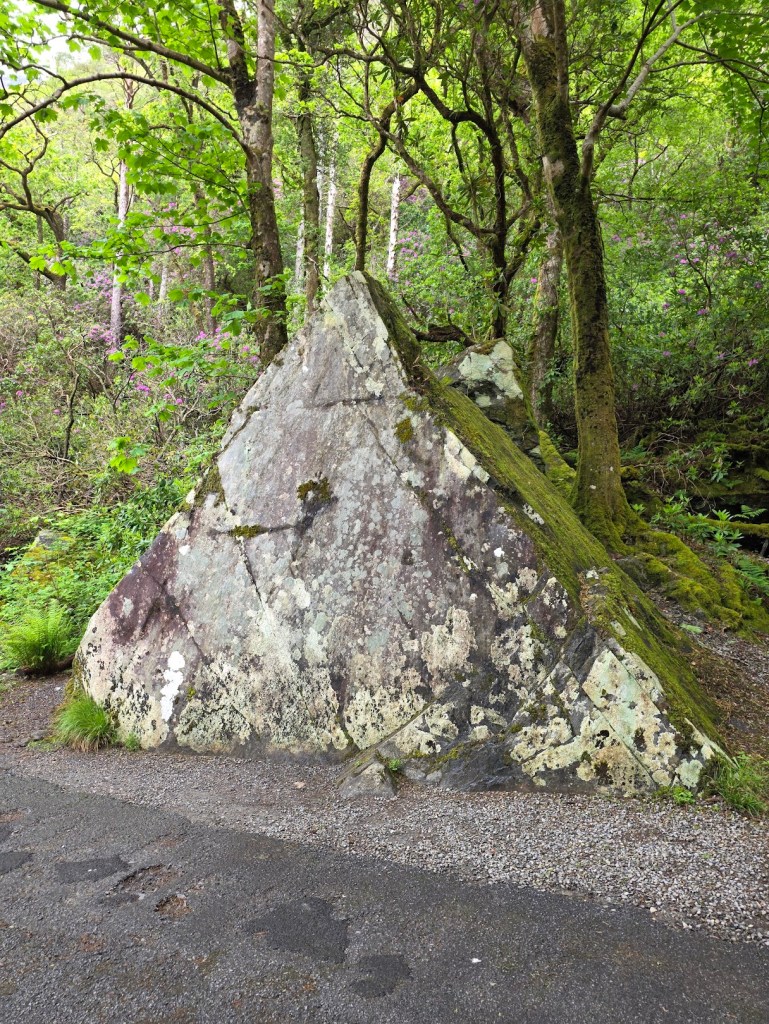
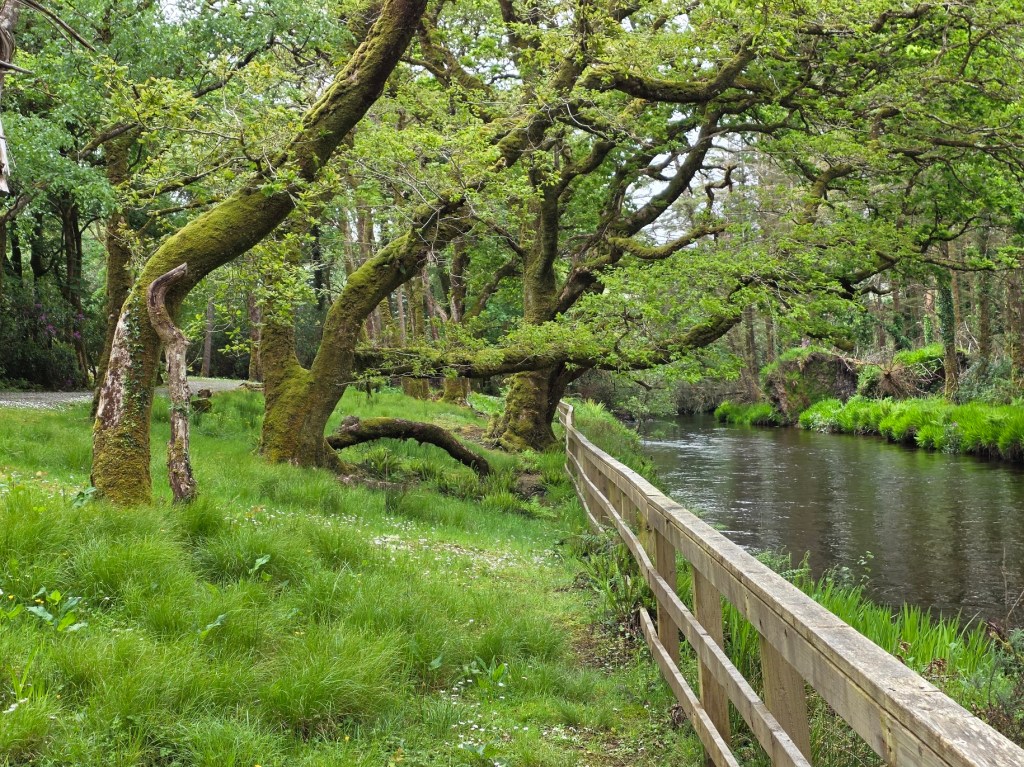
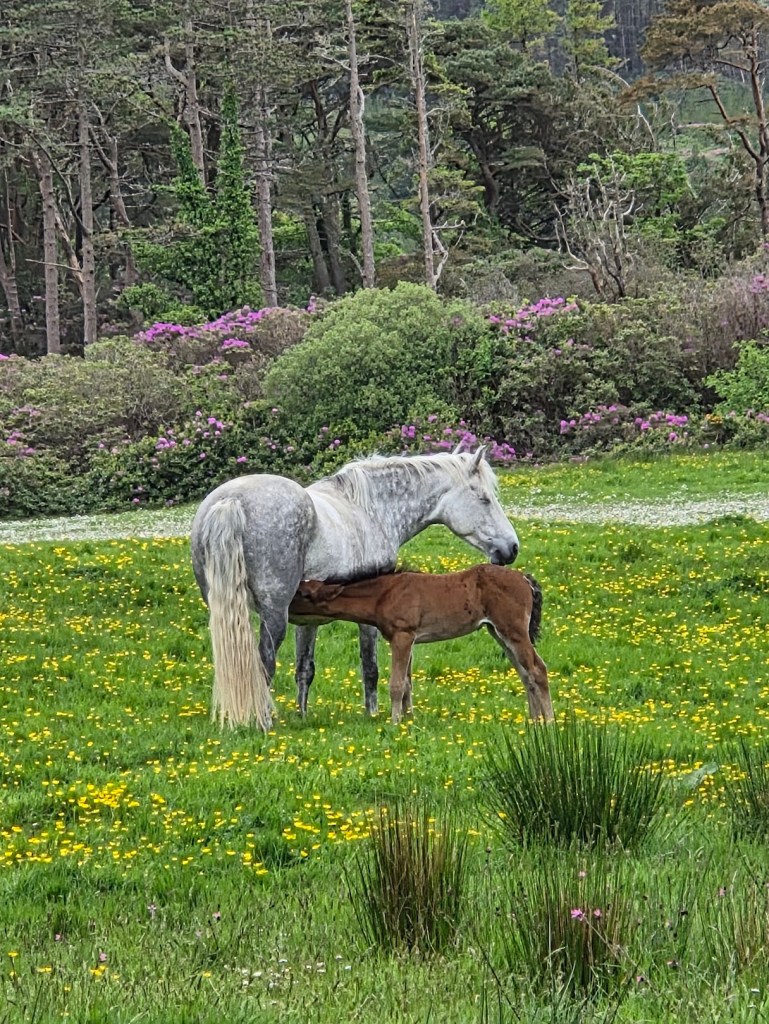
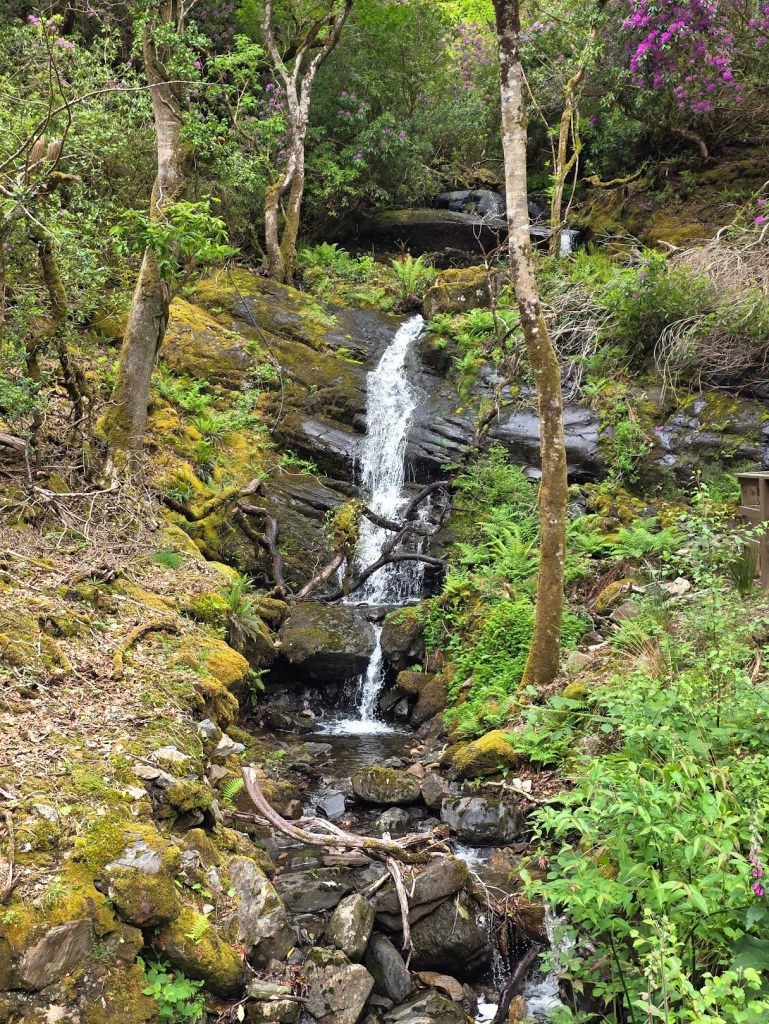
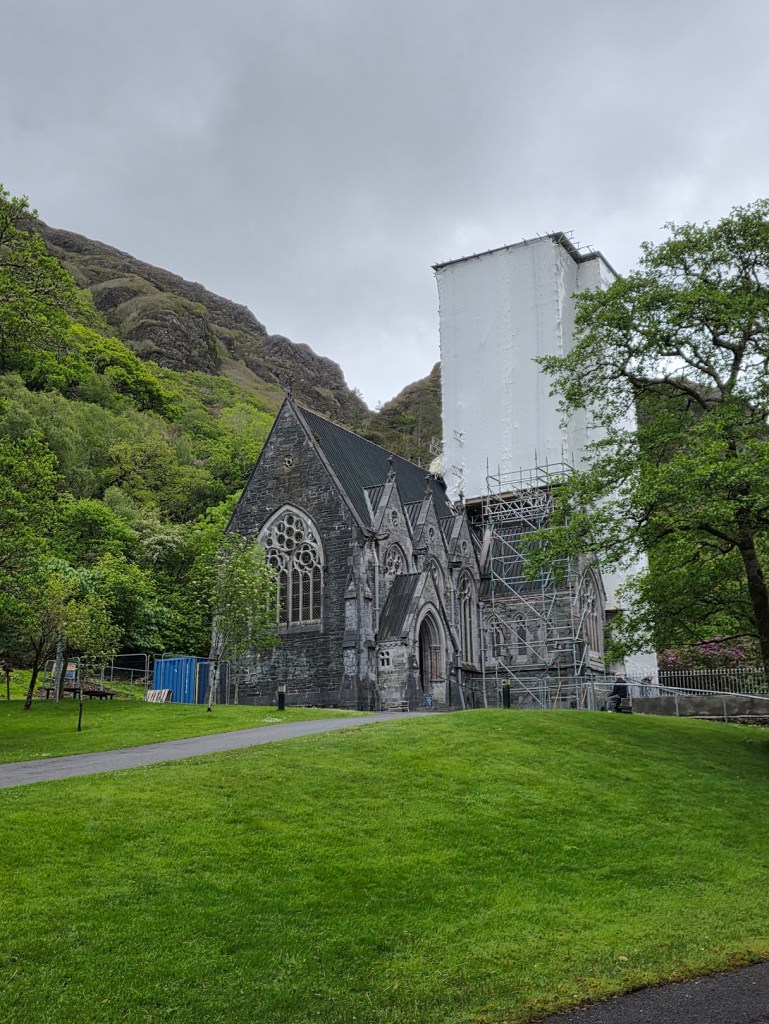
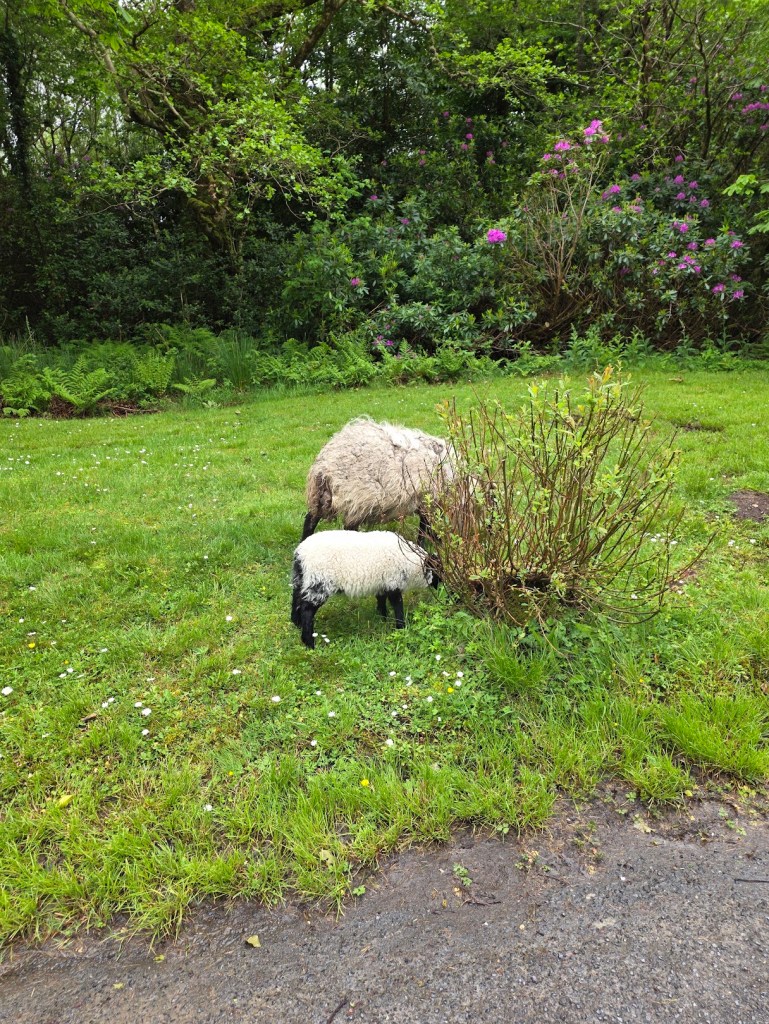
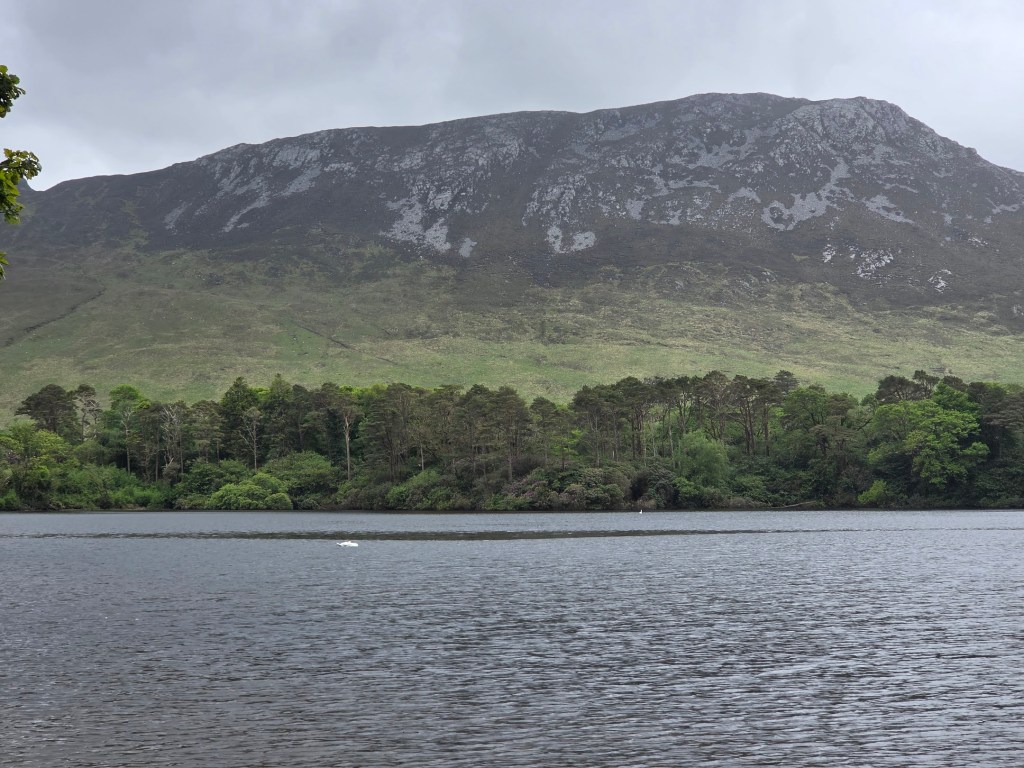
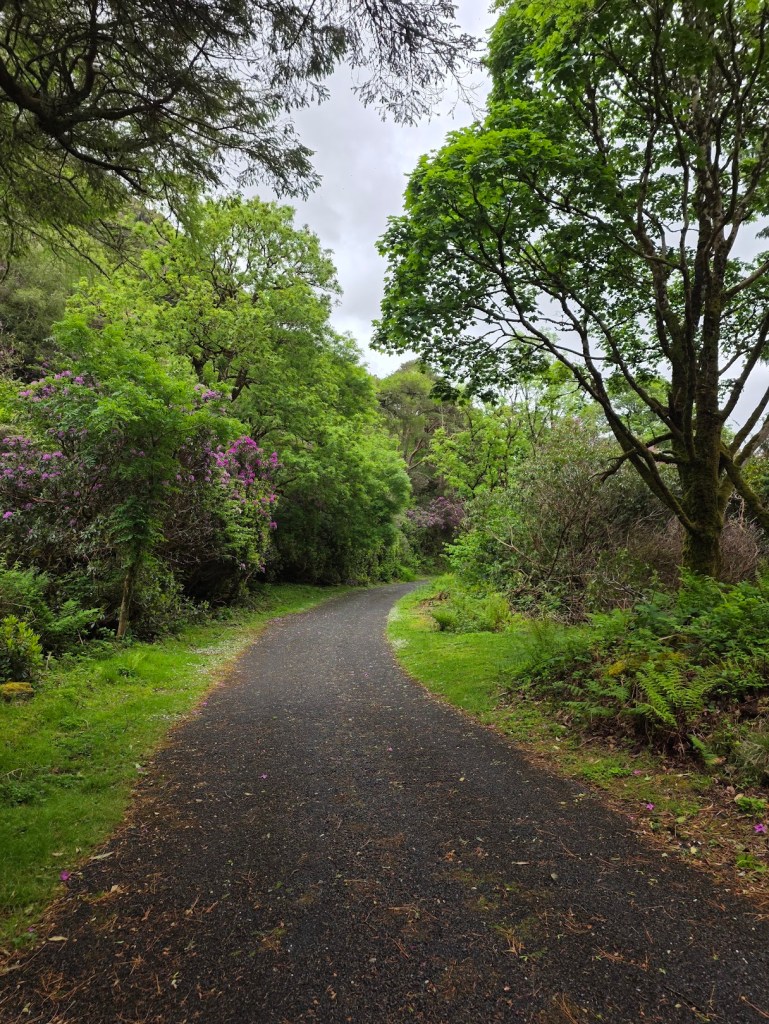
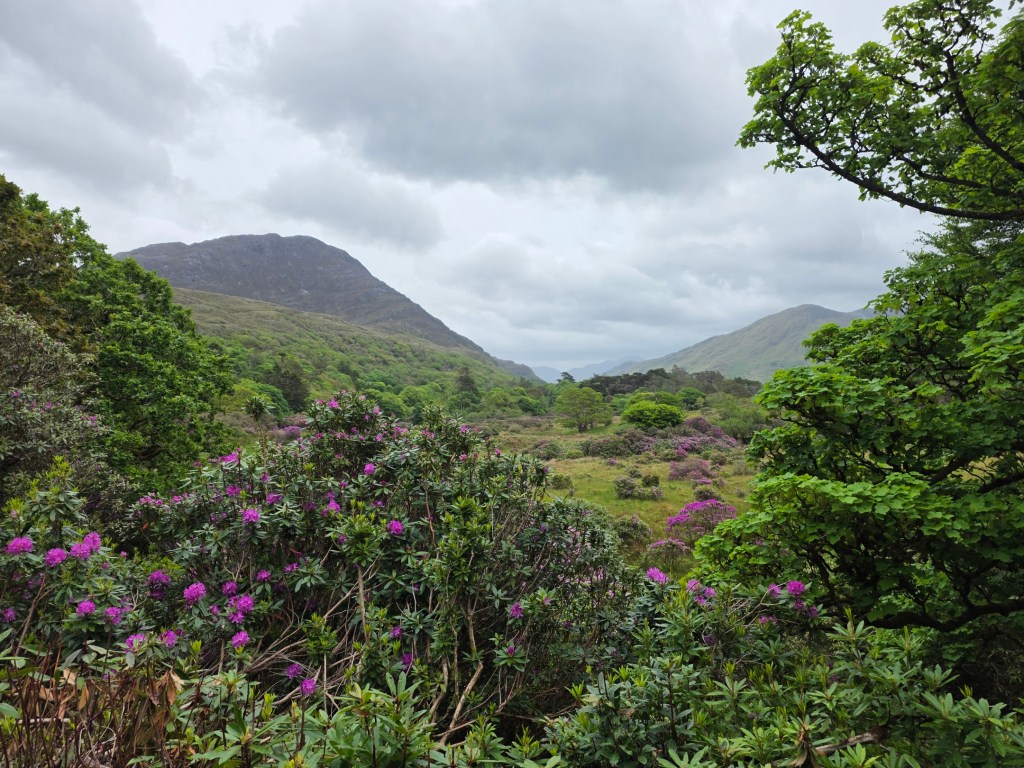
Despite the overcast, I had a lovely time walking around the grounds. Kylemore Abbey is definitely worth visiting.
Aran Islands
The Aran Islands are a group of three islands at the mouth of Galway Bay, off the west coast of Ireland. From west to east, the islands are Inishmore (Árainn / Inis Mór), which is the largest; Inishmaan (Inis Meáin), the next largest; and Inisheer (Inis Oírr), the smallest. There are also several smaller islets around.
I took the Doolin Ferry to Inis Mór. It’s a relatively quick 35 minute trip. The ferry first passes by Inisheer, where I saw the MV Plassy, which shipwrecked off in 1960 and then was thrown above the high tide mark on the island by strong Atlantic waves. Then we passed Inishmaan where I watched a small plane land at the Inishmaan Aerodrome. Had I had more time, I would have liked to stop at both islands.
Finally we arrived at Inishmore. Unfortunately, the rain started not too long after we docked. And so, I didn’t get to see everything I wanted. I had intended on renting a bicycle and riding across the island to see Eeragh Viewpoint, Dún Eoghanachta, the Wormhole, and the Seven Churches. But I didn’t want to risk riding in the rain (with my clutzy luck, I would have wrecked on the slick roads).
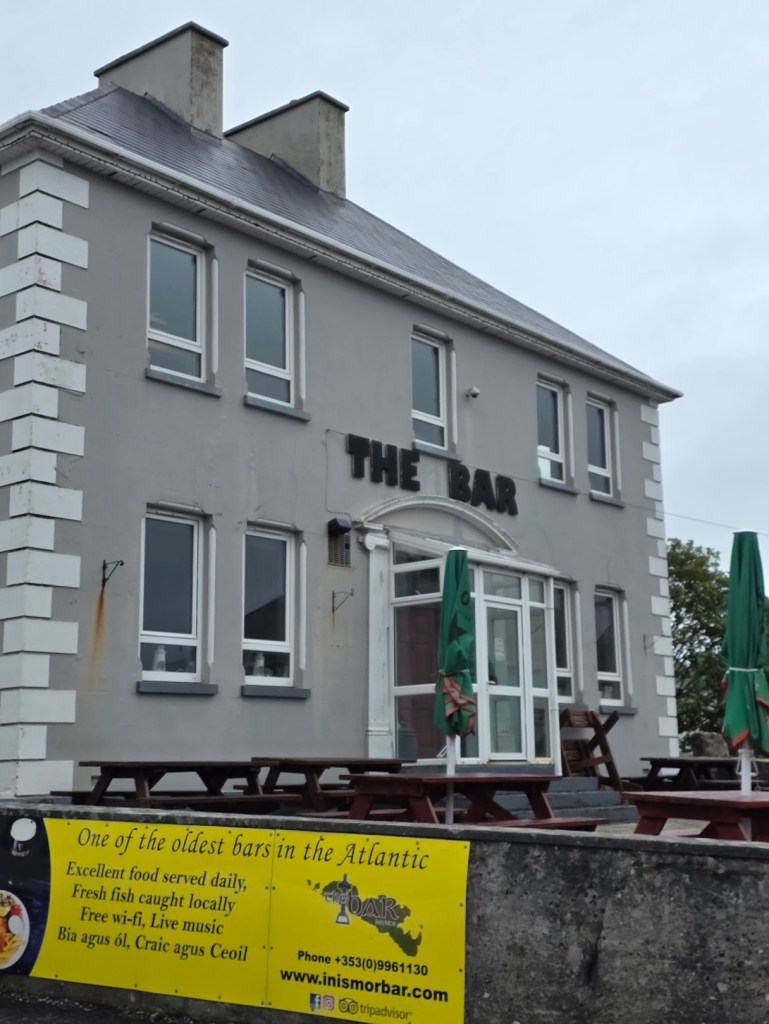
So first, I stopped for lunch at The Bar and had a delicious seafood chowder. Then I decided to take a covered carriage ride to the Seal Colony. My driver was wonderful, pointing out things along the way. It was a lovely way to see part of the island.
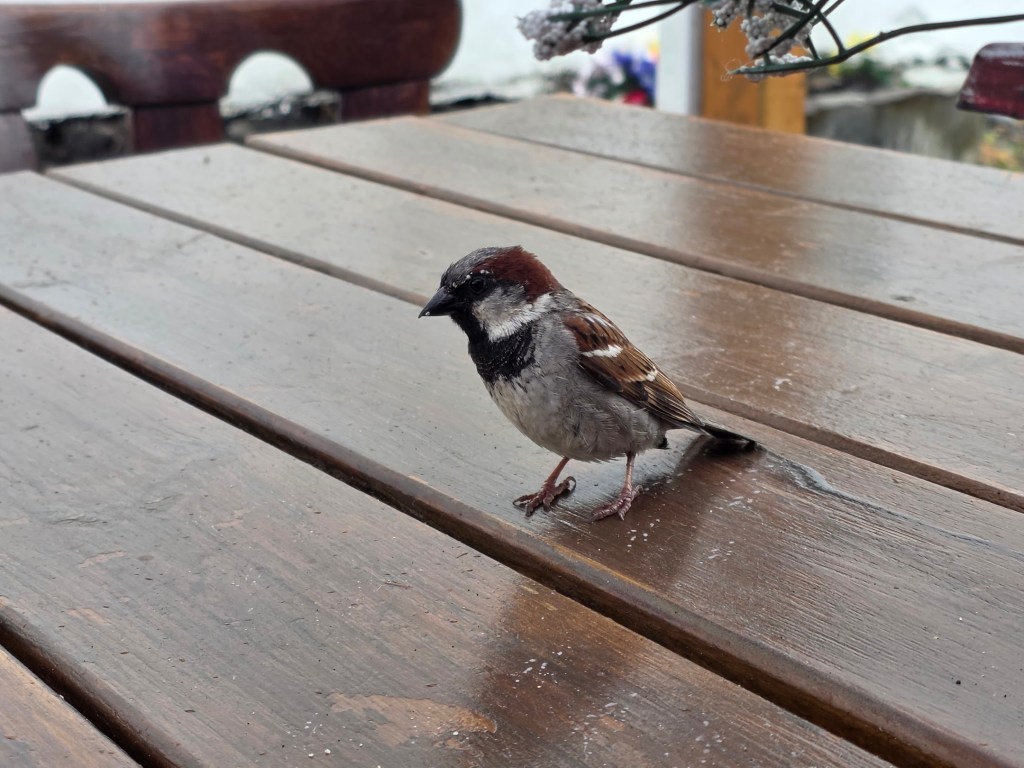
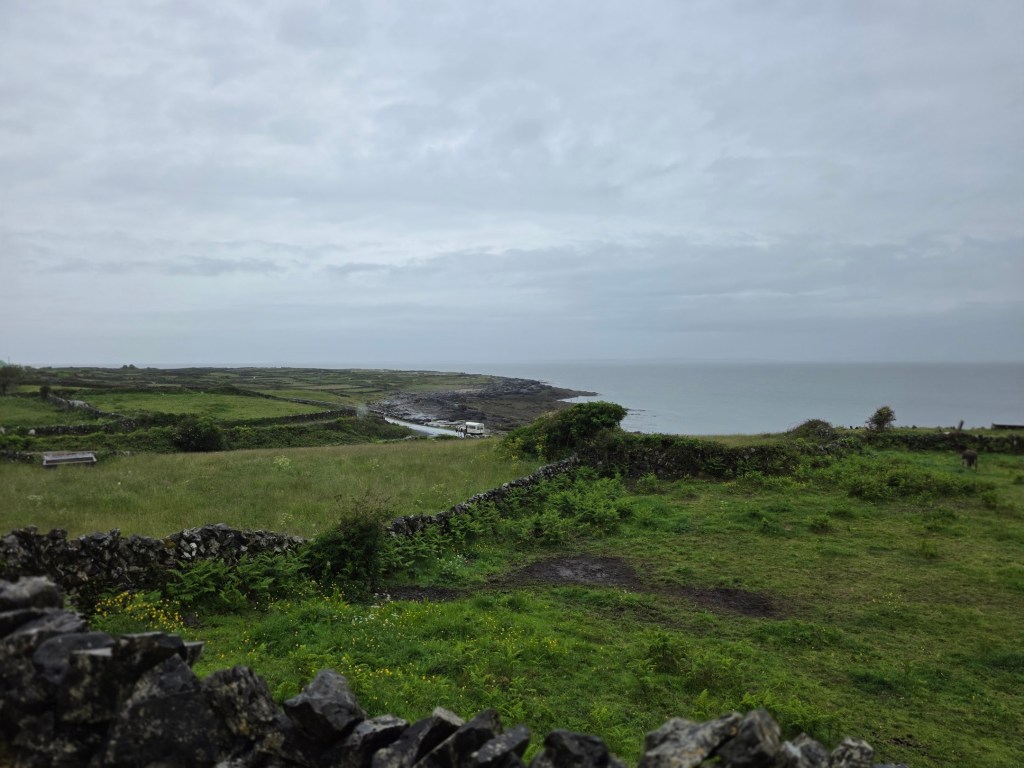
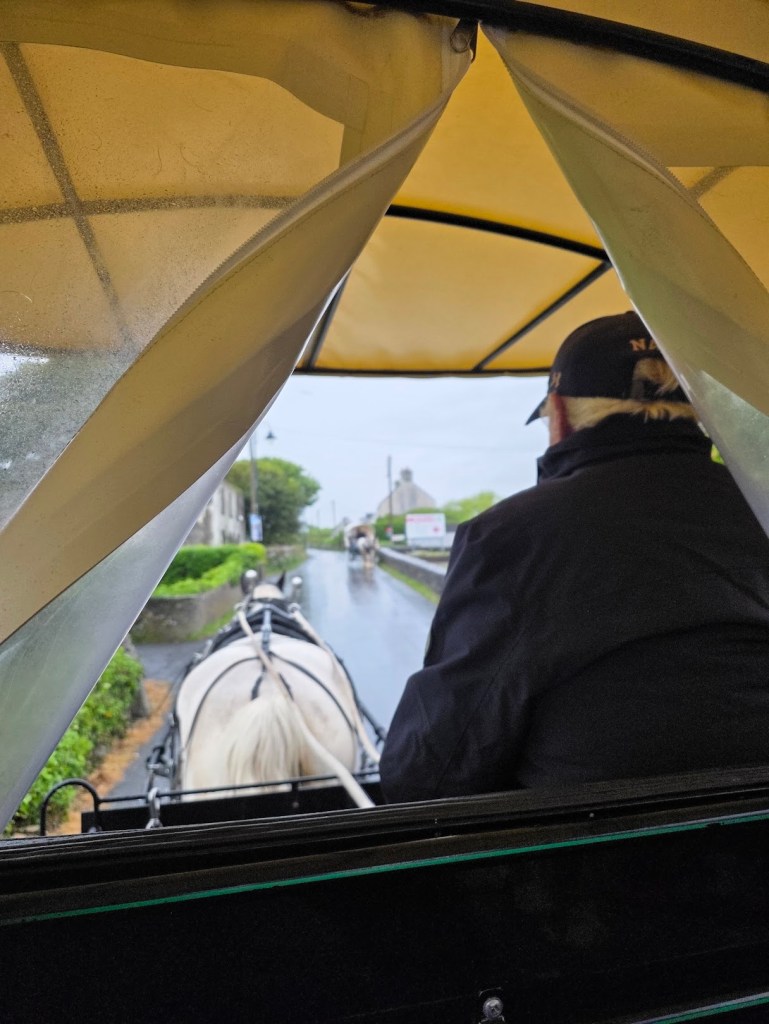
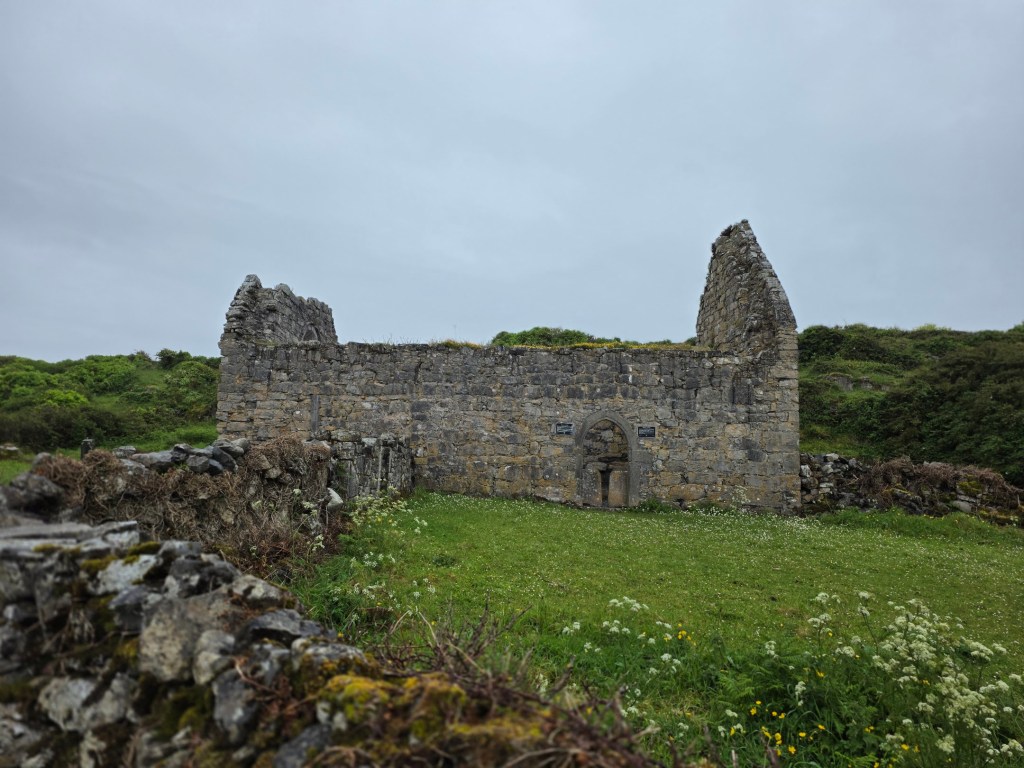
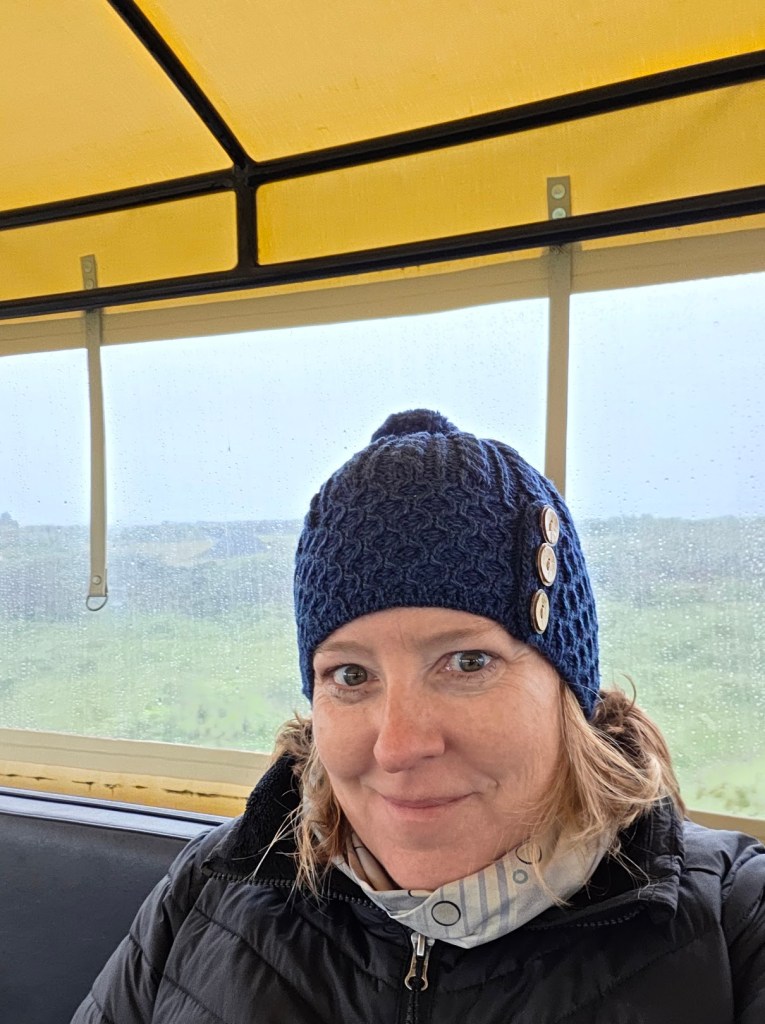
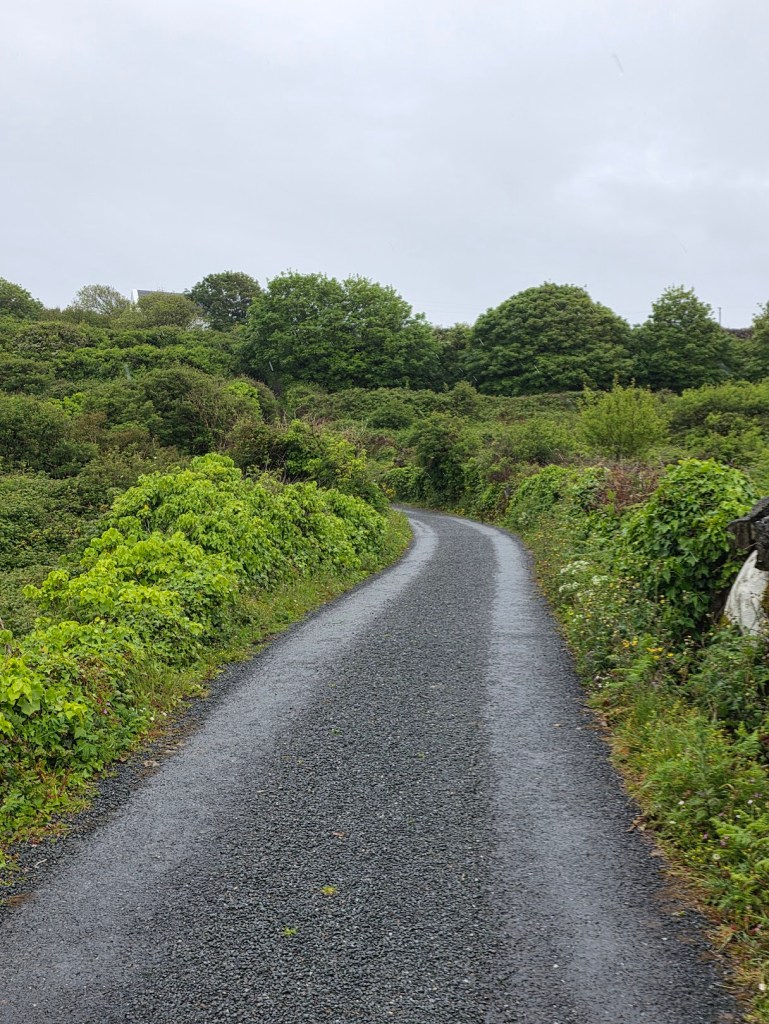
While I was on Inis Mór, I also took the opportunity to buy an authentic Aran Island sweater. And since it was a bit chilly and rather windy, I also purchased a wool hat, which I was quite happy to wear.
Ireland never really gets warm and while May is a beautiful time to visit, the weather can be finicky. I experienced mostly cloudy days, one day of rain (the day I went to Inis Mor), and one beautiful day (the last day, of course). While I was prepared for cooler weather and rain, I was not quite prepared for the cold wind—it is especially brisk blowing off the North Atlantic!
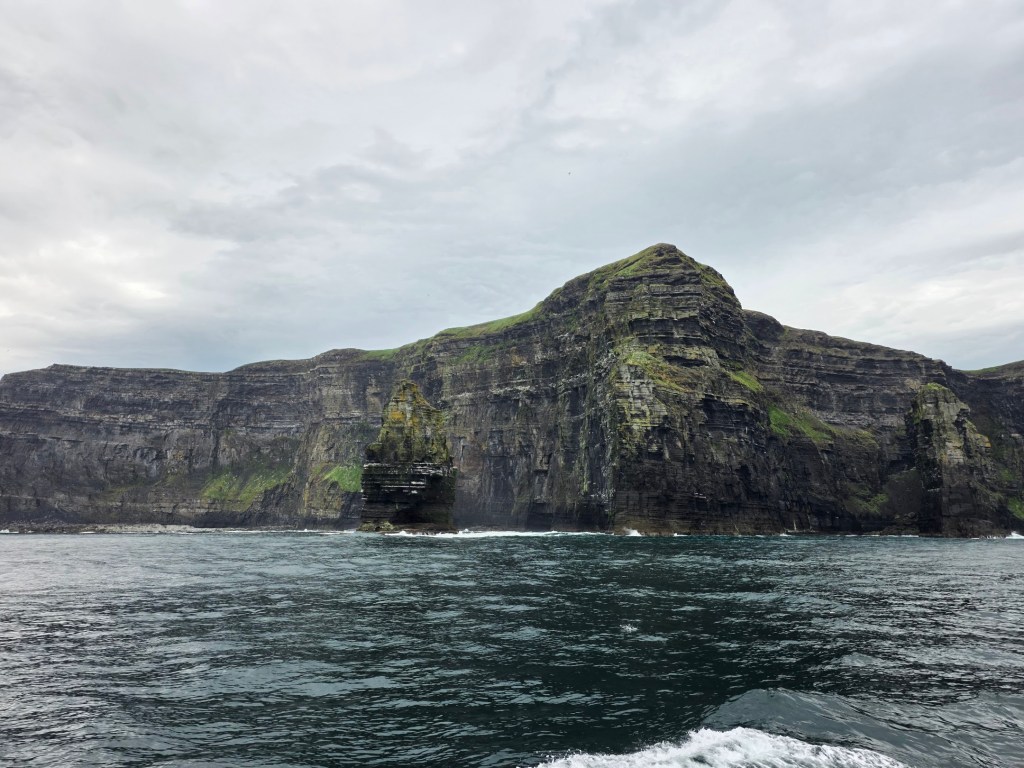
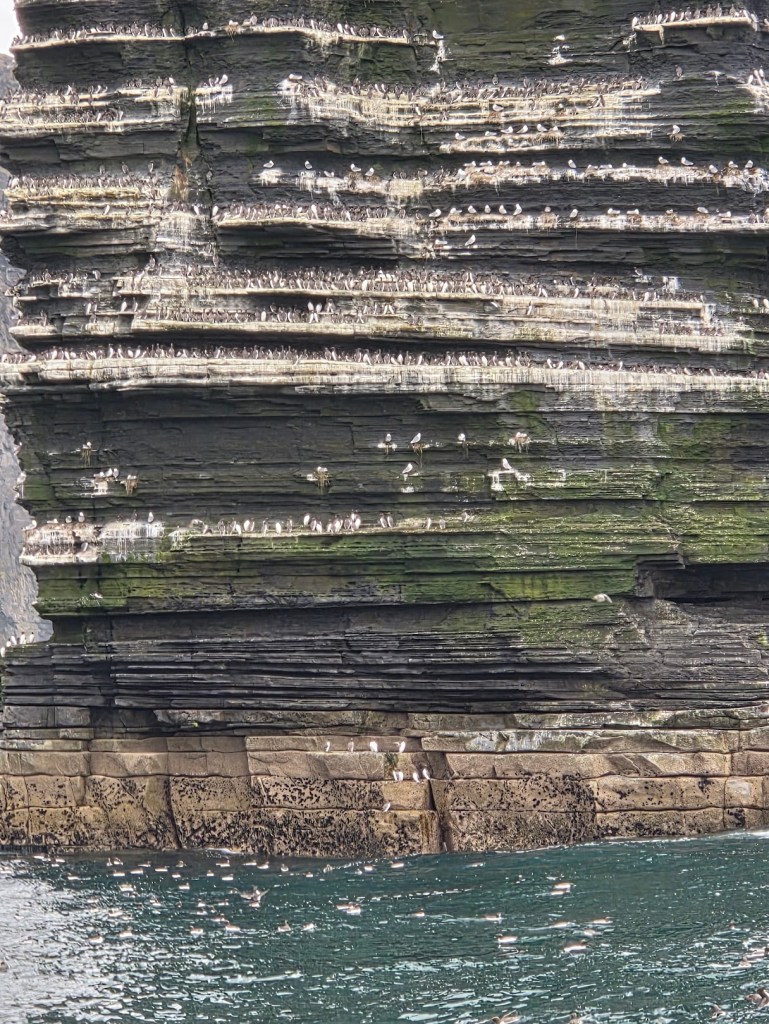
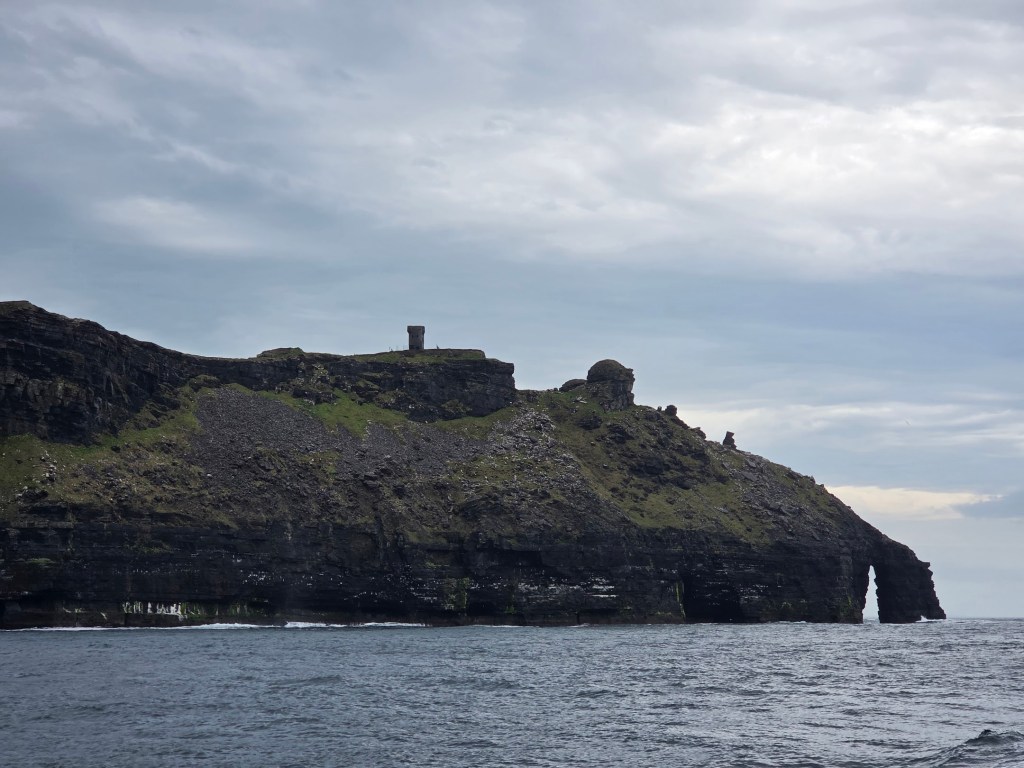
I returned to Doolin on the ferry and then got on a second ferry for a water view of the Cliffs of Moher. (When I booked the combined Inis Mór/Cliffs trip, I didn’t realize it would actually be two ferries.)
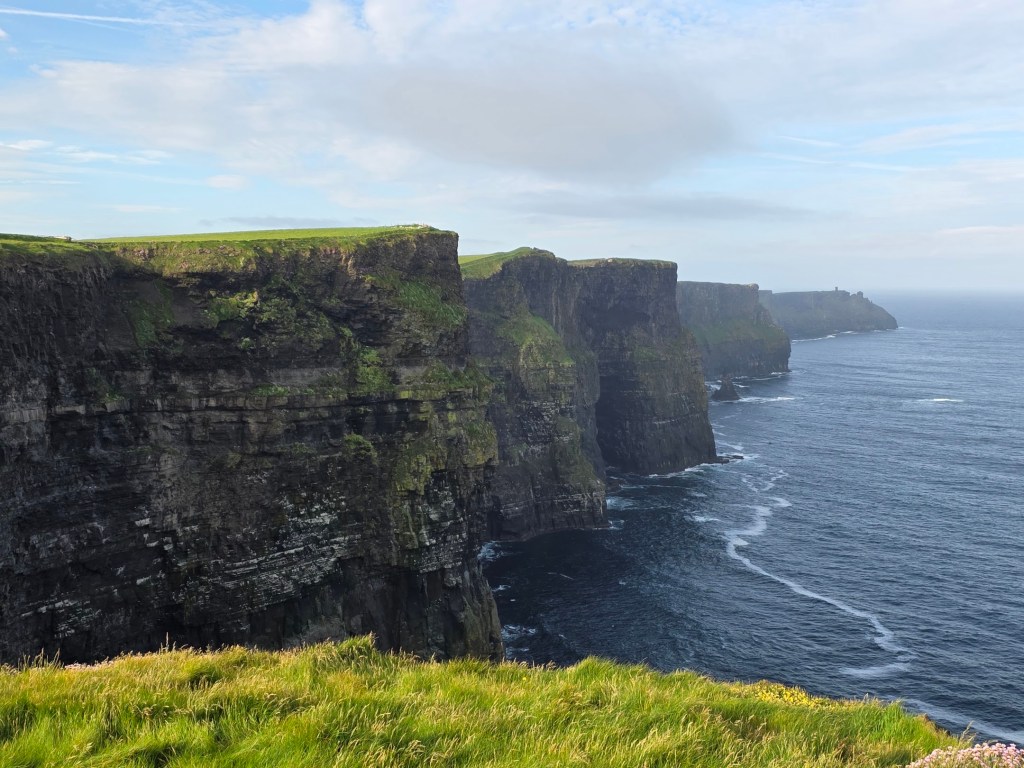
Named after the ancient Gaelic word “Mhothair”, meaning ruined fort, the Cliffs of Moher rise 214 meters (700 feet) above the ocean. The Doolin ferry sails right beneath a point just north of O’Brien’s Tower. The Cliffs are amazing from the top but to see them from the water is even more incredible!
Of course on my last day, the sun came out. As I made my way back to Shannon, I stopped at the Cliffs again and spent an hour walking one of the trails. It was the perfect way to end my trip.
Final Thoughts
Ireland is one place I always recommend to visit. And if I could live anywhere in the world, I would live in Ireland. I absolutely love everything about Ireland—the people, the landscape, the culture, the music, the folklore and stories, the history, the food. I just love Ireland and I wanted to return the minute my plane took off. Even with the rain, this was an incredible trip.
What I’ll say is this:
And that’s all I need to say about my trip to Ireland.
Where did I go in June? Stay tuned to find out!
All content, including photos, © 2026 L. Long/wanderinglynn.com. All Rights Reserved. No part of this website or its contents may be reproduced, copied, modified, adapted, or used to train AI without prior written consent of the owner.
Any links are merely for reference or for your convenience.


So glad you enjoyed your visit! It is indeed a beautiful part of the world <3
LikeLiked by 1 person