July was a good travel month and I did another short trip in mid-July to Sofia, Bulgaria.
Bulgaria is situated on the eastern portion of the Balkans directly south of the Danube river and west of the Black Sea and is bordered by Greece and Turkey to the south, Serbia and North Macedonia to the west, and Romania across the Danube river to the north.
A Little History
(Not interested in History? Skip to the next section or even to my final thoughts.
Like the rest of the Balkans, Bulgaria’s history stretches back to at least the Middle Paleolithic age (or middle stone age) as Neanderthal remains dating to around 150,000 years ago have been found in Bulgaria. And also like the rest of the Balkans, Bulgaria’s history from the middle stone age was long, complex, and often brutal.
Bulgaria became a province of the Roman Empire in AD 45 and Roman governance over the entire Balkan Peninsula was established by the end of the 1st century AD. The Byzantines took over the Balkan region following the fall of Rome in 476, but their prolonged military campaigns against Persia allowed the Slavs to enter the Balkan Peninsula and gradually turn its interior into a country of the South Slavs, who lived under a democracy.
Not long after the Slavic incursion, the region was once again invaded by the Bulgars. The Bulgars attacked Byzantine territories in Moesia and conquered the Slavic tribes there in 680. A peace treaty with the Byzantine Empire was signed in 681. Then by 1018, the Byzantines had conquered the First Bulgarian Empire.
The Ottomans, who were employed as mercenaries by the Byzantines in the 1340s, became invaders and completed their conquest of Bulgarian lands in 1393. Their rule lasted until 1877 when Russia declared war on the Ottomans and defeated them with the help of Bulgarian rebels. Full independence from Ottoman control was declared in 1908. Then from 1912–1913, Bulgaria participated in the Balkan Wars, which resulted in changes to the Balkan borders and established the independent state of Albania.
Bulgaria entered World War II in 1941 as a member of the Axis but declined to participate in Operation Barbarossa and saved its Jewish population from deportation to concentration camps. In August 1944, Bulgaria unilaterally announced its withdrawal from the war and asked the German troops to leave and hastily withdrew Bulgarian troops from Greece and Yugoslavia. While Bulgaria did suffer bombing raids, it overall had suffered little war damage compared to the countries more central to the conflict.
After WWII, Bulgaria became the People’s Republic of Bulgaria led by the Bulgarian Communist Party. Communist rule lasted until the late 1980s. An environmental demonstration in Sofia in October 1989 broadened into a general campaign for political reform. In June 1990, the first multi-party elections since 1939 were held and on 15 November 1990, the national assembly voted to change the country’s name to the Republic of Bulgaria and removed the Communist state emblem from the national flag.
Today, Bulgaria is a member of the EU and officially switched to the Euro at the beginning of this year. It also joined the Schengen in 2025, so traveling from Italy is like local travel—in other words, no having to go through immigration.
Visiting Bulgaria
A quick 90 minute flight and we touched down in Sofia. I had a window seat on this flight and the scenery was incredible, from the Adriatic to the Balkan Mountains.
Sofia situated in the Sofia Valley at the foot of the Vitosha mountain in the western part of the country. Vitosha is one of the symbols of Sofia and there are bus lines to mountain to access the hiking and skiing areas. Sadly, we didn’t have time to venture to the mountain this trip since we were there for two nights and only one full day.
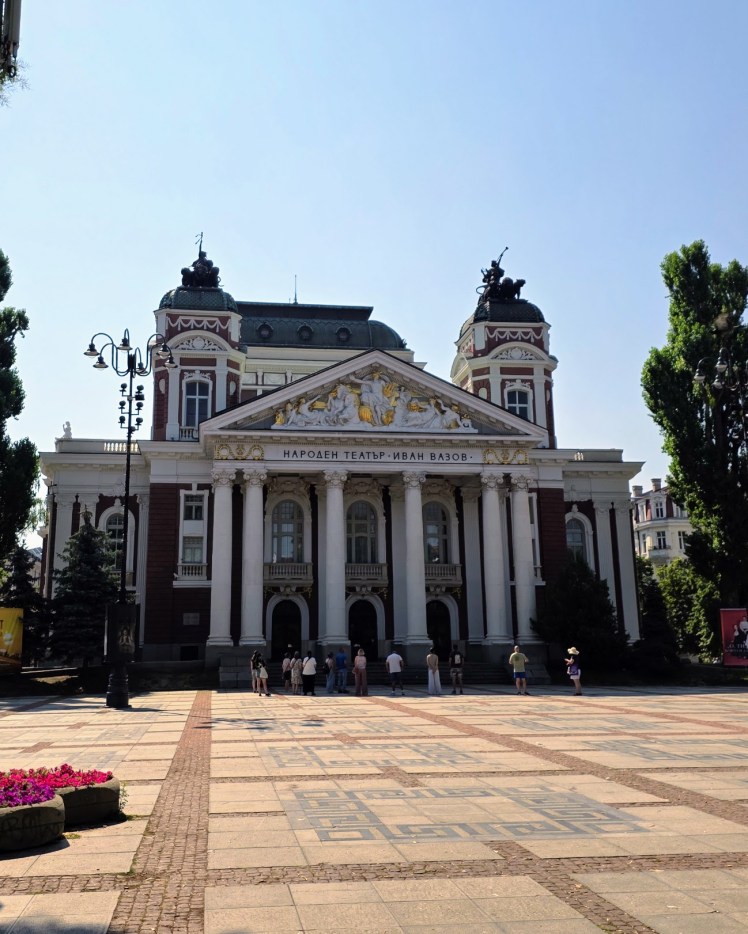
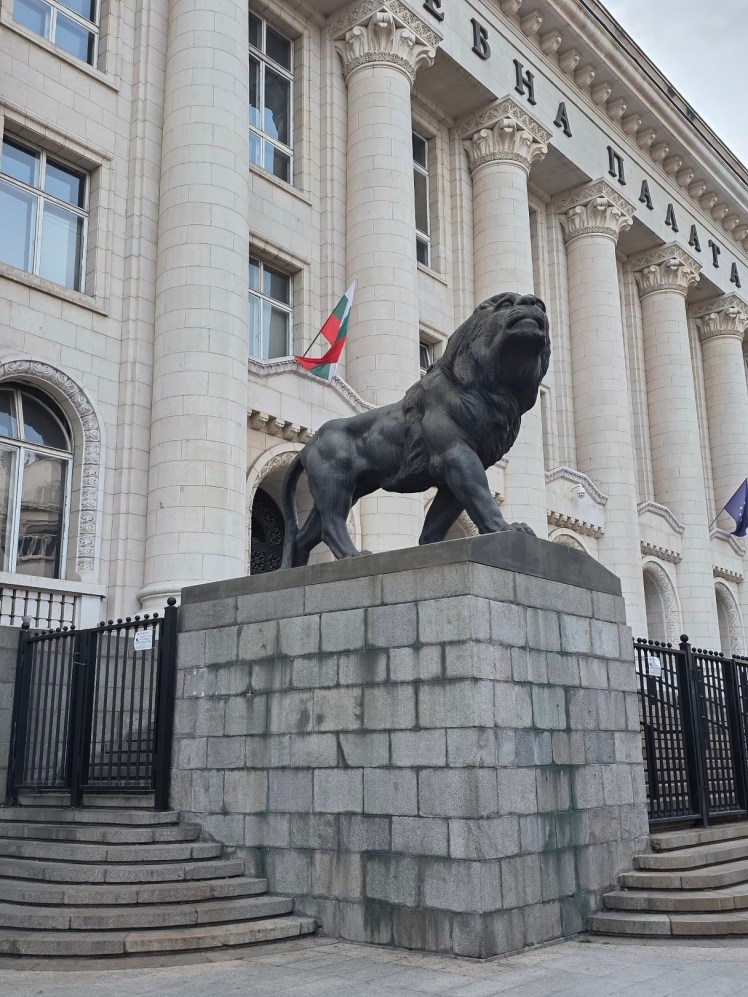
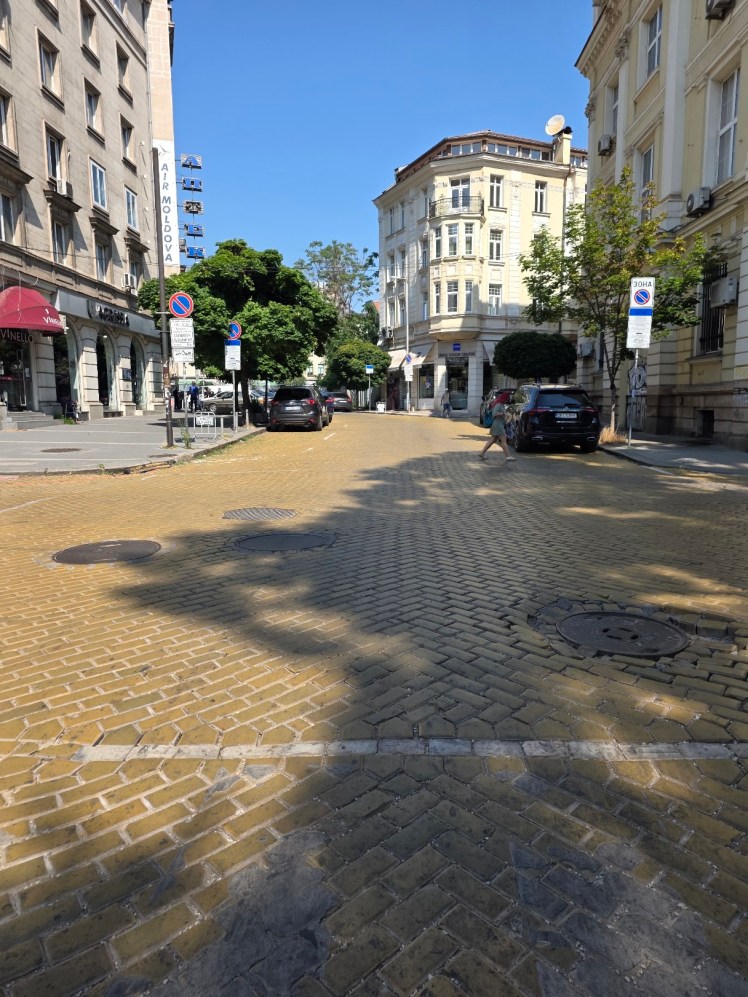
We didn’t have an agenda, so we mostly just walked around the city. We did hit the highlights, including the Women’s Market, Serdica Archaeological Complex, Vitosha Boulevard, Ivan Vazov National Theatre with its fountains, and the gold streets.
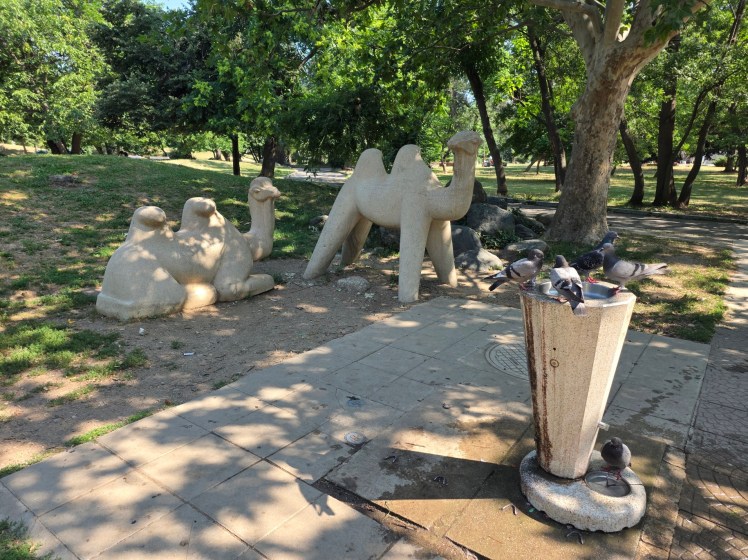
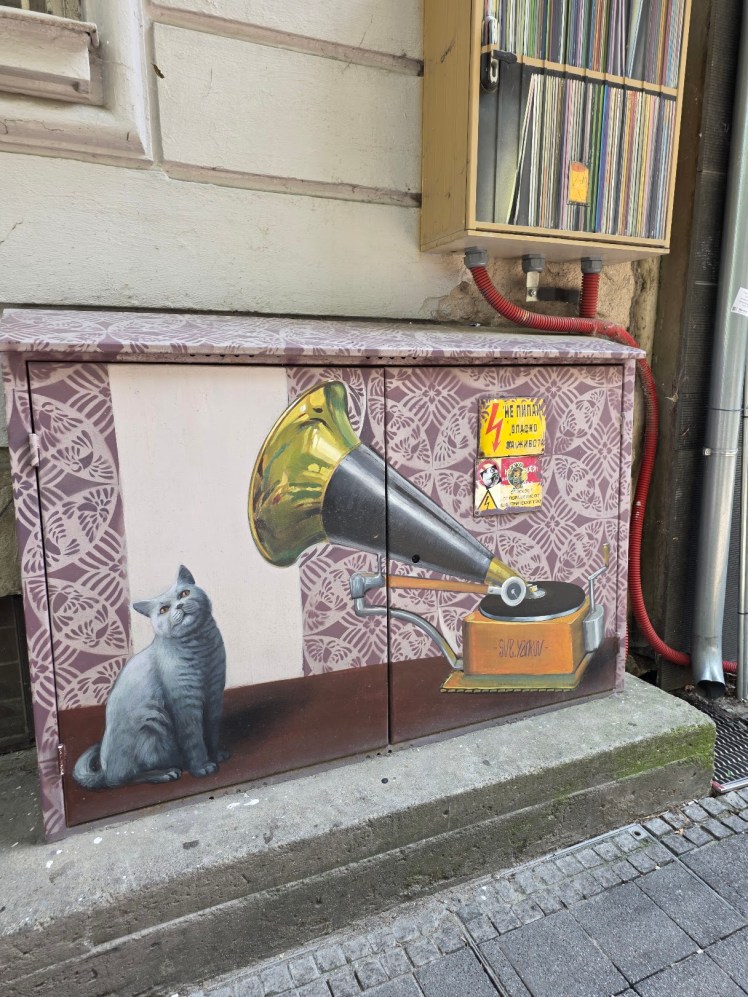
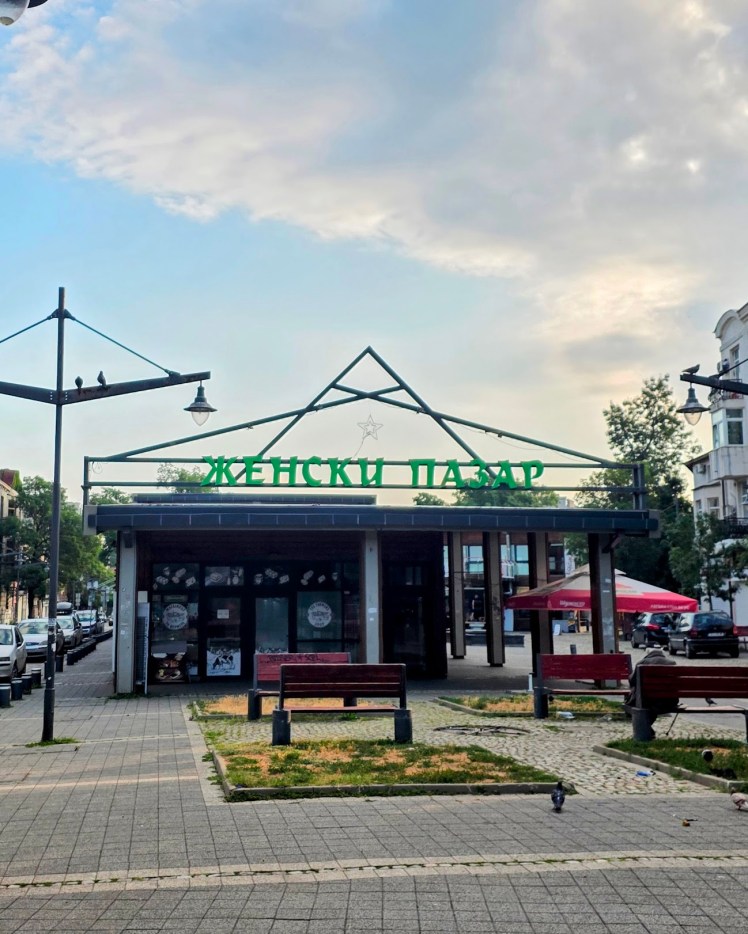
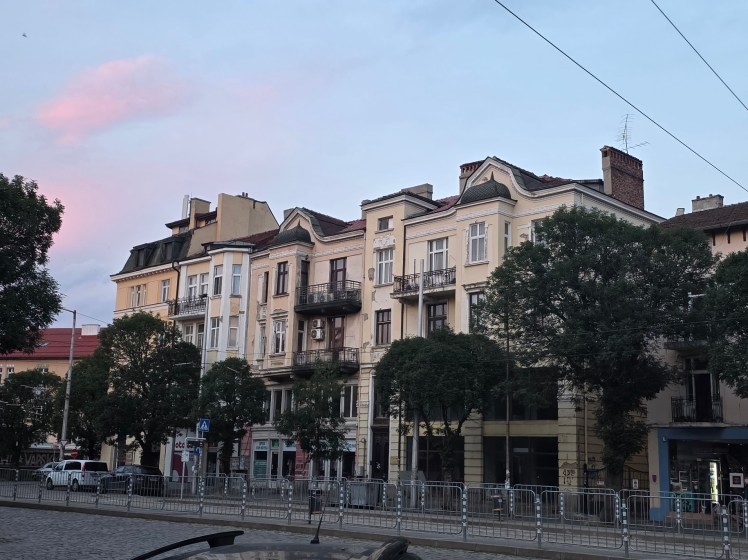
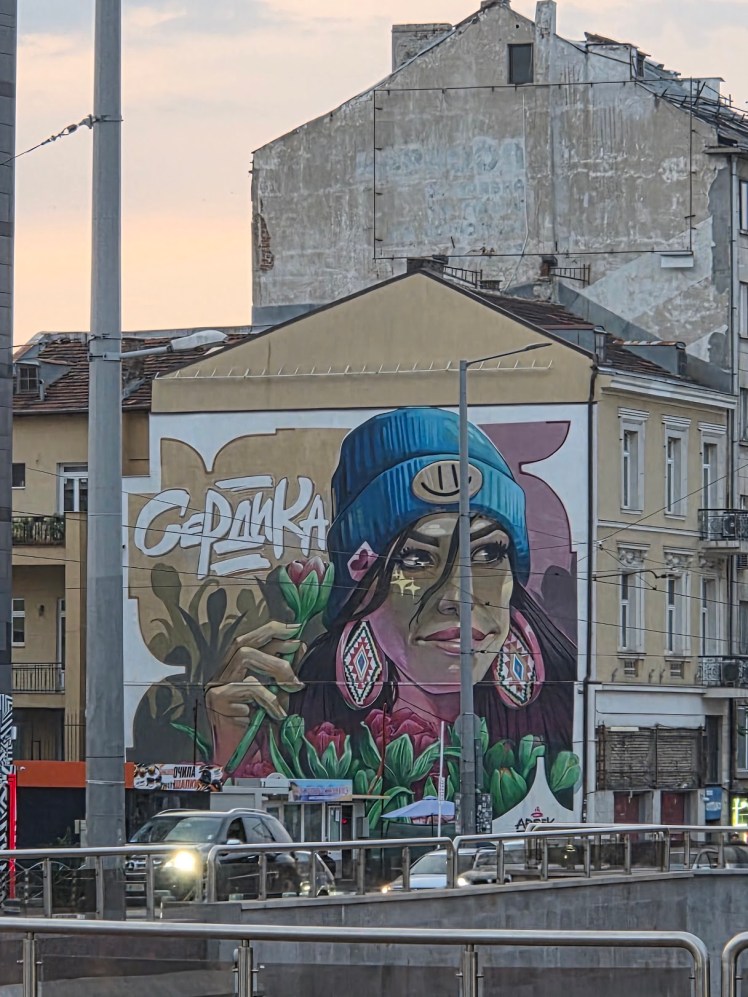
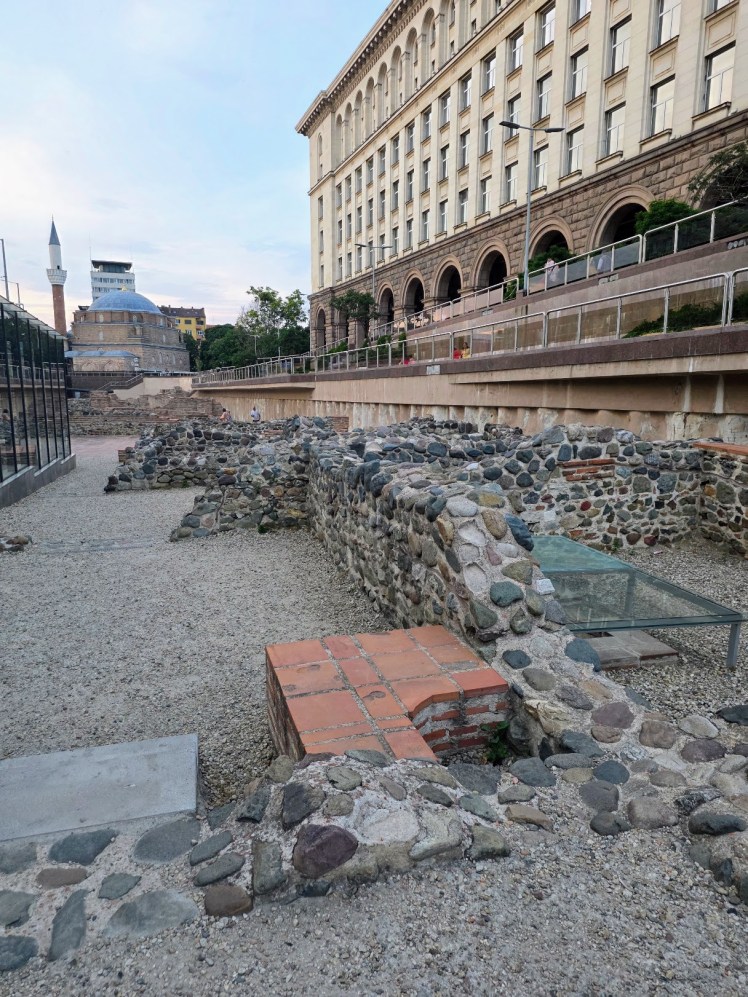
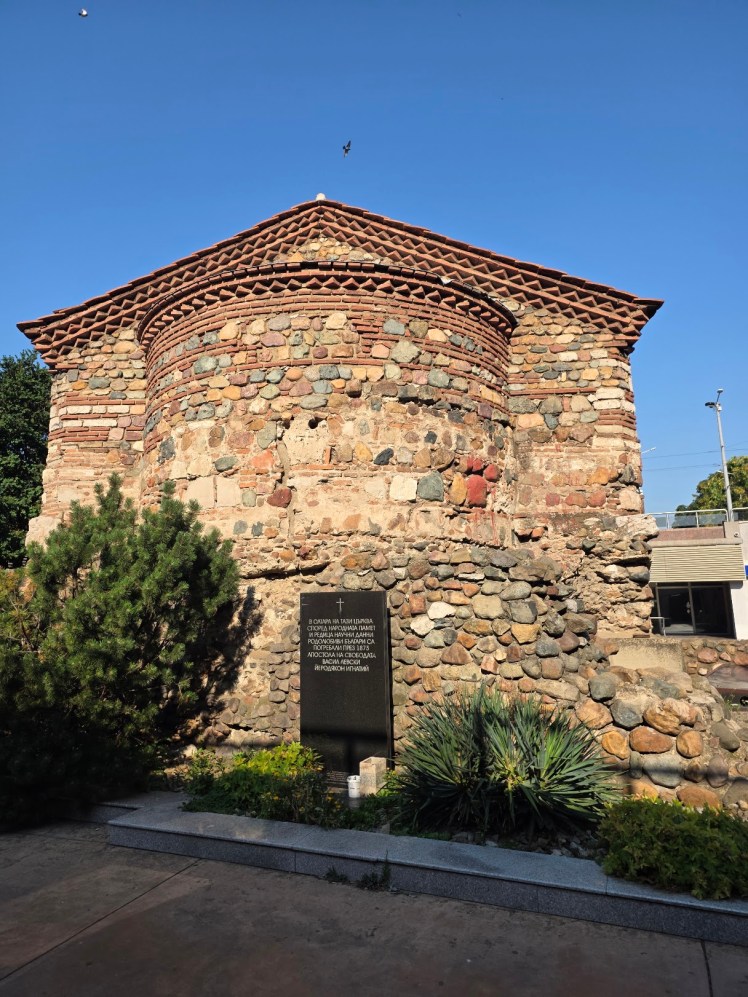
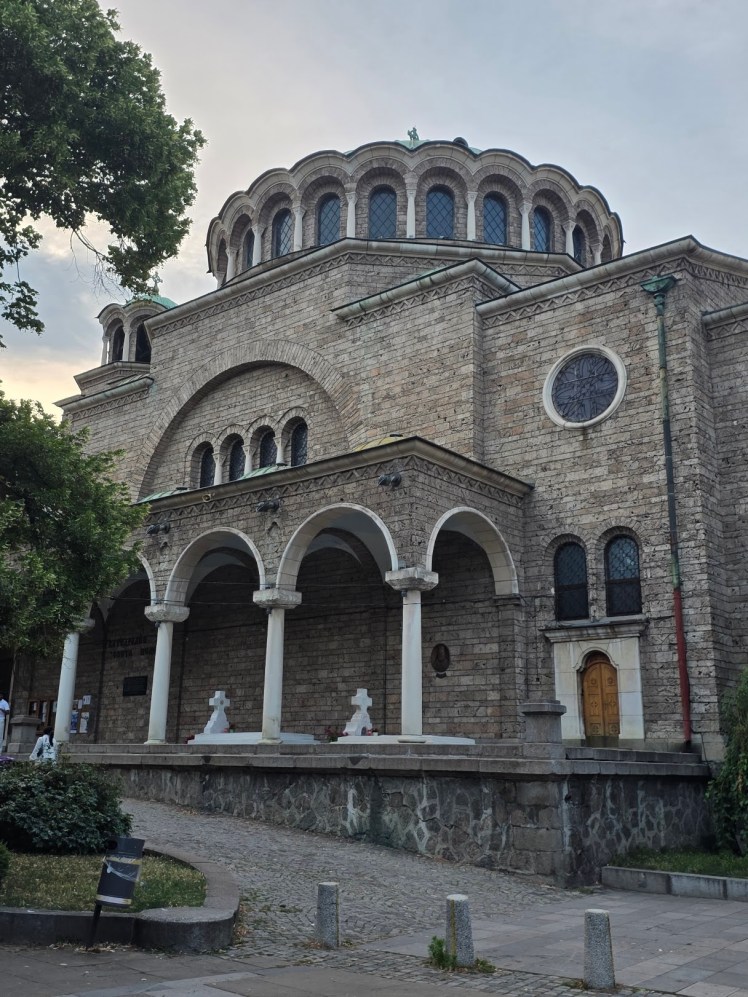
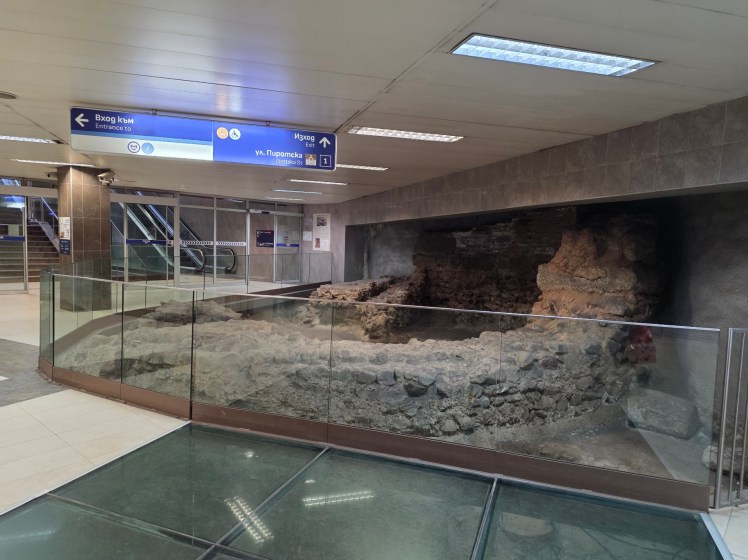
Zhenski Pazar, or Women’s Market, was first established in the year 1878, not long before Bulgaria became a free state. Called the Women’s Market because it historically served as a place where women were allowed to shop during the Ottoman period, as they were restricted to this area for purchasing goods, the market grew rapidly and soon became a significant trade center. The marketplace was the most prestigious and influential for the capital city of Sofia throughout the 20th century. Today it is full of vendors selling mostly fresh fruits and vegetables.
Sofia, known as Serdica, traces its origins as far back as the 6th millennium BC. In the Roman era—specifically around the 1st century AD—Serdica flourished as a prominent urban center. Its importance only grew under Emperor Constantine the Great, who famously declared, “Serdica is my Rome. The Serdica Archaeological Complex, including a site in one of the metro stations, has preserved Roman streets, remnants of public buildings, and household mosaics and artifacts that date to the 2nd to 6th centuries AD.
Vitosha Boulevard is the pedestrian shopping street with loads of cafes and restaurants and each evening it was packed with people. The people watching is fantastic here.
The gold streets made me feel like Dorothy in the Wizard of Oz! After five centuries of Ottoman rule, the capital city of aspired to develop with a unique personality, emitting optimism and vitality. Enter the yellow paving blocks to radiate diverse symbolism, laid down in the first decade of the 1900s. And over a hundred years later, the yellow paving stones still cover the old Sofia city centre.
Other sights we saw include the National Theatre and its fountains with the ballerina sculpture, Alexander Nevsky Cathedral, Church of St Nicholas the Miracle-Maker (built on the site of a mosque after the Russians liberated Bulgaria from the Ottoman Empire), Sofia Synagogue (the biggest synagogue in Southeast Europe), the medieval Saint Petka Church (dates from the 16th century and built on the site of a former Roman church), and St. Alexander Nevski Cathedral (second largest cathedral in the Balkan region and can fit 10,000 people inside).
Final Thoughts
Sofia is an interesting city and quite large compared to Prishtina or Skopje. The tram and metro make it easy to get around the city. Like the rest of the Balkan countries, Sofia is upcoming but still has a way to go. The infrastructure throughout most of the city is dated and needs an improvement. In talking to some locals, they have seen the transition to the Euro as increasing prices. We thought the prices were quite reasonable, but as American tourists, our perspective is probably skewed.
While I wouldn’t necessarily visit Sofia again, I definitely want to see other parts of Bulgaria, such as Plovdiv to experience a concert at Philippopolis, which is one of the world’s best-preserved ancient Roman theatres, and Sozopol, one of the Black Sea Coast towns dating back to 7,000 years.
Where else have I been this summer? Stay tuned to find out!
All content, including photos, © 2026 L. Long/wanderinglynn.com. All Rights Reserved. No part of this website or its contents may be reproduced, copied, modified, adapted, or used to train AI without prior written consent of the owner.
Any links are merely for reference or for your convenience.

